As of Tuesday, June 23, 2026, the national average for a 30-year fixed refinance rate has edged up by 6 basis points, settling at 6.76%. This slight increase comes after a period of rates trending downward, though they still remain above the historically low levels seen during the pandemic.
It feels like just yesterday we were talking about mortgage rates hitting new lows, and now we're seeing a slight uptick. For homeowners considering a refinance, this news might make you pause. But is this small bump a cause for alarm, or just a normal fluctuation in the market? I've been following these trends closely, and while a 6-basis-point move might sound tiny, it can have a real impact on your monthly payments. Let's dive into what this means for you and what factors are actually driving these changes.
Mortgage Rates Today, June 23, 2026: 30‑Year Refinance Rate Rises by 6 Basis Points
Understanding the Latest Refinance Rates
According to Zillow's latest data, the national average for a 30-year fixed refinance rate stands at 6.76% today, June 23, 2026. This is a slight increase from the 6.70% average we saw last week.
Here's a quick look at the current refinance rates, as reported by Zillow:
| Loan Type | Current Average Rate (June 23, 2026) | Change from Previous Week |
|---|---|---|
| 30-Year Fixed Refinance | 6.76% | +6 basis points |
| 15-Year Fixed Refinance | 5.88% | Stable |
| 5-Year ARM Refinance | 6.21% | Stable |
As you can see, the 15-year fixed and 5-year ARM refinance rates have held steady. The main movement we're observing is in the 30-year fixed rate, which is the most popular choice for many homeowners.
The Bigger Picture: Refinance Trends
While today's slight increase is noteworthy, the broader trend over the past few months has been a gradual downward drift in refinance rates from their earlier 2026 peaks. This easing has encouraged more homeowners to explore refinancing. Bankrate's survey from June 17th indicated that the average 30-year mortgage had fallen to 6.48%, showing a pickup in refinance activity compared to the previous year.
However, it's important to remember that many homeowners refinanced when rates were at historic lows. Freddie Mac's analysis has shown that refinance volumes tend to drop significantly when a large portion of the market already holds much lower fixed rates. This means that for some, even with slightly lower rates today, the savings might not be substantial enough to make refinancing worthwhile.
What's Really Moving Mortgage Rates?
It can be confusing to see mortgage rates fluctuate. While the Federal Reserve's policy signals certainly play a role, they don't directly set mortgage rates. The primary drivers are actually linked to broader economic factors:
- Treasury Yields: These are highly sensitive to economic news and investor confidence.
- Mortgage-Backed Securities (MBS) Prices: These are complex financial products tied to mortgages, and their prices can change rapidly.
- Inflation Expectations: High inflation generally pushes rates up, while expectations of slowing inflation can lead to lower rates. This is often cited as the biggest long-run driver.
- Federal Reserve Policy: While indirect, the Fed's actions on interest rates and its quantitative easing or tightening policies influence the overall cost of borrowing in the economy.
Weaker inflation or slower economic growth typically creates an environment where mortgage rates have more room to fall. Of course, there are also more localized factors, like housing market demand and competition among lenders, that can cause refinance quotes to shift even multiple times in a single day.
What Refinancers Should Be Watching Closely
If you're thinking about refinancing, it's not just about the headline rate. I always advise my clients to look beyond the advertised percentage. Here are the key things you should keep on your radar:
- The Break-Even Point: This is crucial. You need to compare the upfront closing costs of the refinance against the monthly savings you'll achieve with a lower rate. How long will it take for your savings to cover the costs? If you don't plan to stay in your home long enough to recoup those costs, it might not be a wise move.
- APR (Annual Percentage Rate): Never just look at the interest rate alone. The APR includes all the fees and charges associated with the loan, giving you a much clearer picture of the total cost of borrowing.
- Your Financial Profile: Your credit score, loan-to-value (LTV) ratio, and whether you're opting for a cash-out refinance or a rate-and-term refinance all significantly impact the rate you'll be offered.
- How Long You Plan to Stay: If you have a mortgage with a very low fixed rate from a few years ago, the math for refinancing today might not add up unless you have a compelling reason, like needing cash for a major purchase or renovation.
Is Refinancing Right for You Today? My Take.
From my perspective, the decision to refinance in the current market hinges on a few key questions. For many borrowers, the main benefits of refinancing today will come from:
- Noticeably Cutting Your Rate: If you can secure a rate that is significantly lower than your current one, the savings could be substantial over the life of the loan.
- Shortening Your Loan Term: Perhaps you want to pay off your mortgage faster. Refinancing into a shorter term, even at a slightly higher rate than a new 30-year, could save you a lot in interest overall.
- Accessing Cash Through a Cash-Out Refinance: If you need funds for a renovation, education, or to consolidate debt, a cash-out refinance might be an attractive option, provided you understand the implications of borrowing more against your home.
However, if your existing mortgage rate is already quite low (say, well below 5%), it's likely that the closing costs associated with refinancing today will outweigh the potential savings. In such cases, I often recommend exploring a Home Equity Line of Credit (HELOC) or a home equity loan instead. These can provide access to funds without touching your primary mortgage rate.
The market is always shifting, and what makes sense today might be different tomorrow. Staying informed and carefully calculating the numbers based on your personal financial situation is key to making the best decision for your homeownership journey.
VS
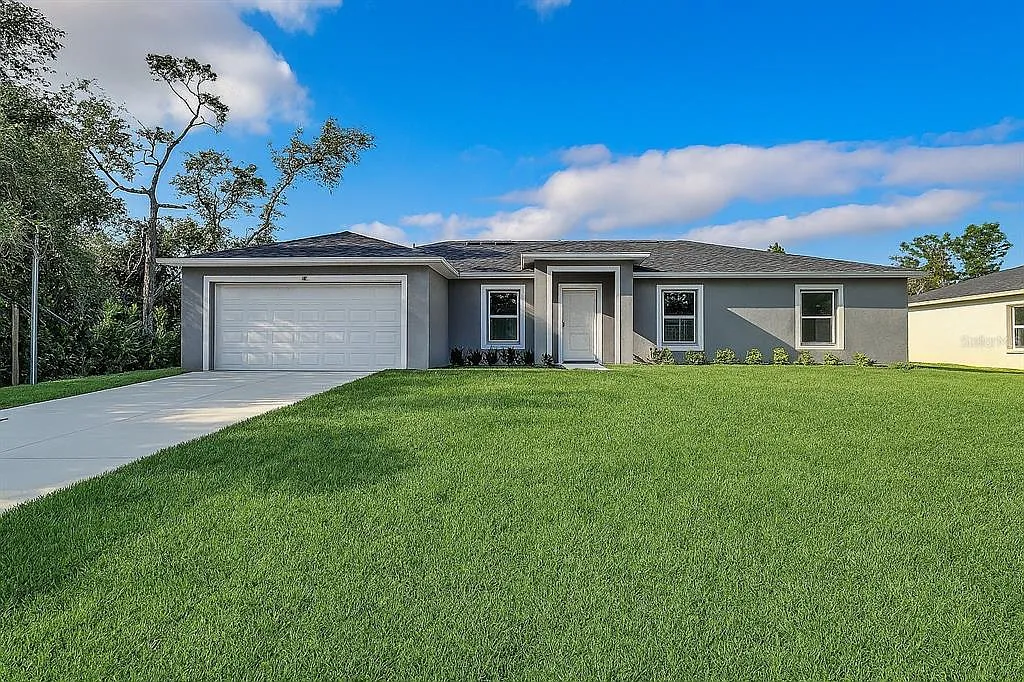
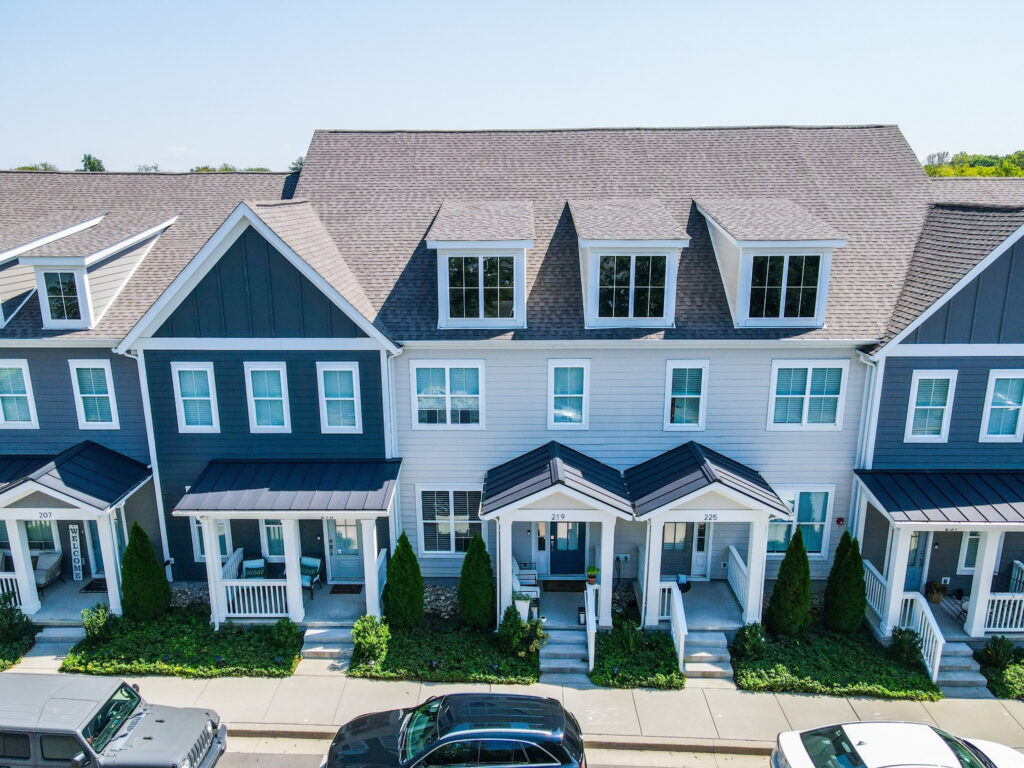
Out‑of‑State investors can compare Tennessee’s newer rental with higher NOI vs Florida’s A+ property with strong yield. Which fits YOUR investment strategy?
We have much more inventory available than what you see on our website – Let us know about your requirement.
📈 Choose Your Winner & Contact Us Today!
Speak to a Norada Investment Counselor (No Obligation):
(800) 611-3060
Mortgage rates remain high in 2026, but rental properties continue to deliver strong cash flow and appreciation. Savvy investors know that turnkey real estate is the path to passive income and long‑term wealth.
Norada Real Estate helps you secure turnkey rental properties designed for immediate cash flow and appreciation—so you can invest smartly regardless of interest rate trends.
Also Read:
- Mortgage Rates Predictions Backed by 7 Leading Experts: 2025–2026
- Mortgage Rate Predictions for the Next 3 Years: 2026, 2027, 2028
- 30-Year Fixed Mortgage Rate Forecast for the Next 5 Years
- 15-Year Fixed Mortgage Rate Predictions for Next 5 Years: 2025-2029
- Will Mortgage Rates Ever Be 3% Again in the Future?
- Mortgage Rates Predictions for Next 2 Years
- Mortgage Rate Predictions for Next 5 Years
- Mortgage Rate Predictions: Why 2% and 3% Rates are Out of Reach
- How Lower Mortgage Rates Can Save You Thousands?
- How to Get a Low Mortgage Interest Rate?
- Will Mortgage Rates Ever Be 4% Again?