As of today, June 25, 2026, the national average for a 30-year fixed refinance rate has climbed to 6.85%, marking a 15-basis point increase from the previous week. This upward tick, as reported by Zillow, means that homeowners looking to refinance their existing mortgages will find borrowing costs a bit higher than they were just seven days ago. While this might seem like a small shift, it's part of a larger trend that's making refinancing less attractive for many.
Seeing rates consistently above 6% now is a stark reminder of how much things have changed in the mortgage market. Personally, I've been closely watching these movements, and this recent jump isn't entirely unexpected, given the economic signals we've been seeing. The Federal Reserve's stance, coupled with persistent inflation, is really keeping a lid on any significant rate decreases.
Mortgage Rates Today, June 25, 2026: 30‑Year Refinance Rate Rises by 15 Basis Points
What's Driving These Refinance Rate Changes?
Several key factors are at play, and understanding them can help you make more informed decisions.
The Federal Reserve's Tight Grip
The Federal Reserve recently decided to keep its benchmark interest rate steady, sitting between 3.50% and 3.75%. What's more significant, however, is that they've signaled a move away from actively cutting rates. In fact, their latest projections suggest there might even be hikes later this year. This “hawkish stance” by the Fed signals their commitment to fighting inflation, even if it means higher borrowing costs for consumers. As someone who's followed financial markets for years, this shift from a supportive, low-rate environment to a more cautious one is a major theme.
Inflation Isn't Budging
Inflation remains a persistent thorn in everyone's side. The Consumer Price Index (CPI) is still running high, with an annual clip of 4.2%. This is significantly above the Fed's target of 2%, and it forces lenders to factor in a longer period of potential inflation risk when setting mortgage rates. When inflation is high, the money you borrow today is worth less in the future, so lenders need to charge more to compensate.
A Strong Job Market Keeps Rates Up
You might think a strong economy would be all good news, but in this context, a resilient labor market actually contributes to higher mortgage rates. Robust employment numbers suggest the economy isn't cooling down enough for the Fed to consider lowering interest rates. When jobs are plentiful and people are spending, it can add to inflationary pressures, keeping those borrowing costs elevated.
Bond Yields and Global Events
Mortgage rates have a close relationship with the yields on 10-year U.S. Treasury bonds. When these bond yields rise, mortgage rates tend to follow. Recently, we've seen increased volatility in the bond market, partly due to geopolitical tensions in the Middle East. This uncertainty often leads investors to demand higher yields for holding U.S. debt, which, in turn, pushes mortgage rates higher.
Current Refinance Rates at a Glance
Here's a snapshot of where things stand today, June 25, 2026, based on Zillow's data:
| Loan Type | Average Rate (June 25, 2026) | Change from Previous Week |
|---|---|---|
| 30-Year Fixed Refinance | 6.85% | Up 8 basis points |
| 15-Year Fixed Refinance | 5.84% | Up 3 basis points |
| 5-Year ARM Refinance | 6.21% | No significant change |
It's worth noting that the 30-year fixed refinance rate is up a notable 15 basis points compared to the same time last week, when the average was around 6.70%.
The “Lock-In Effect” is Real
One of the biggest stories in the mortgage world right now is the “lock-in effect.” Over 80% of current homeowners are sitting on mortgage rates below 6%. Many of these individuals secured their loans during the pandemic-era when rates were at historic lows. This means that for the vast majority of homeowners, refinancing their current mortgage to a new one, even at today's rates, would actually increase their monthly payment. Consequently, traditional rate-and-term refinancing is largely limited to those who bought homes more recently, especially those who purchased at the peak of recent rate increases.
What Should Refinancers Be Thinking About Today?
Given the current rate environment, refinancing isn't the slam dunk it used to be. Here's what I advise my clients and friends to consider:
- Calculate Your True Break-Even Point: Forget the old “1% rule” for refinancing. You need to do the math for your specific situation. Add up all your closing costs. Then, figure out how much your monthly payment will decrease with a new loan. Divide the total closing costs by your monthly savings. This number tells you exactly how many months you need to stay in your home to recoup your refinance expenses. If you plan to move or refinance again before you reach that break-even point, it likely doesn't make financial sense. For example, if closing costs are $5,000 and you save $200 per month, you need to stay put for 25 months just to break even.
- Compare Refinance-to-Purchase Spreads: Sometimes, lenders will charge a slightly higher rate for a refinance loan compared to a new purchase loan. It's important to make sure you're looking at rate sheets specifically for refinances. Don't assume the rate offered for a purchase is the same for a refinance.
- Consider Home Equity Alternatives: If your main goal is to access cash for renovations, debt consolidation, or other expenses, a cash-out refinance might not be the best option right now, especially if your current first mortgage has a low rate. Instead, you might want to explore a Home Equity Line of Credit (HELOC) or a second mortgage. These options allow you to tap into your home's equity without giving up your existing, potentially much lower, first mortgage rate. This strategy can save you a significant amount of money over the life of your loan.
- Boost Your Credit Score and DTI: To even qualify for the best advertised rates, you generally need a strong financial profile. This means a high credit score (often 740 or above) and a low Debt-to-Income (DTI) ratio. Lenders have become stricter with their approval criteria, so improving these areas can make a difference in the rates you're offered.
In conclusion, while the headlines today show a rise in 30-year refinance rates, the broader picture is one of elevated borrowing costs driven by inflation concerns and Federal Reserve policy. For many homeowners, the attractive rates of the past are a distant memory, and the decision to refinance requires careful calculation and consideration of alternative financing options. It's a complex market, but by staying informed and doing your homework, you can navigate it effectively.

VS
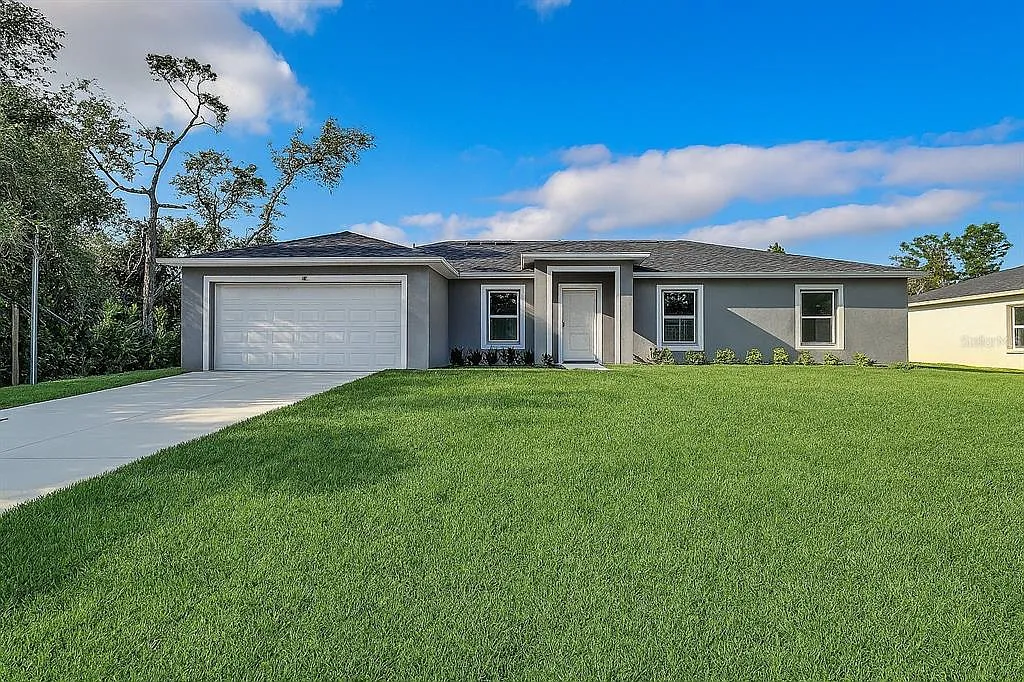
Out‑of‑State investors can compare Tennessee’s newer rental with higher NOI vs Florida’s A+ property with strong yield. Which fits YOUR investment strategy?
We have much more inventory available than what you see on our website – Let us know about your requirement.
📈 Choose Your Winner & Contact Us Today!
Speak to a Norada Investment Counselor (No Obligation):
(800) 611-3060
Mortgage rates remain high in 2026, but rental properties continue to deliver strong cash flow and appreciation. Savvy investors know that turnkey real estate is the path to passive income and long‑term wealth.
Norada Real Estate helps you secure turnkey rental properties designed for immediate cash flow and appreciation—so you can invest smartly regardless of interest rate trends.
Also Read:
- Mortgage Rates Predictions Backed by 7 Leading Experts: 2025–2026
- Mortgage Rate Predictions for the Next 3 Years: 2026, 2027, 2028
- 30-Year Fixed Mortgage Rate Forecast for the Next 5 Years
- 15-Year Fixed Mortgage Rate Predictions for Next 5 Years: 2025-2029
- Will Mortgage Rates Ever Be 3% Again in the Future?
- Mortgage Rates Predictions for Next 2 Years
- Mortgage Rate Predictions for Next 5 Years
- Mortgage Rate Predictions: Why 2% and 3% Rates are Out of Reach
- How Lower Mortgage Rates Can Save You Thousands?
- How to Get a Low Mortgage Interest Rate?
- Will Mortgage Rates Ever Be 4% Again?