If you've been thinking about refinancing your mortgage, it looks like now is a tougher time than last week. On June 26, 2026, the average rate for a 30-year fixed refinance saw a noticeable jump, climbing by 26 basis points to land at 6.94%. This increase, as reported by Zillow, means that homeowners looking to refinance will likely be facing higher monthly payments compared to the recent past.
It’s a bit of a wake-up call for many of us who’ve been watching interest rates, hoping for them to dip. I’ve been following the mortgage market for a while now, and this kind of upward swing, especially a 26-basis-point jump in a single day, is significant. It tells us that the forces shaping our economy are at play, pushing borrowing costs higher for now.
Mortgage Rates Today, June 26, 2026: 30-Year Refinance Rate Jumps to 6.94%
What's Causing This Rate Hike?
You might be wondering why rates are moving up. It’s not just one thing; it’s a combination of factors that are making lenders a bit more cautious and demanding higher returns for lending money. Think of it like this: when things are uncertain, lenders want more for the risk they're taking.
Here's a breakdown of the main culprits, as I see them:
- Inflation Isn't Budging: The latest numbers on inflation, specifically the Consumer Price Index (CPI) for May, showed prices going up at their fastest pace in over three years, hitting 4.2% annually. This is way above what the Federal Reserve aims for, and it’s a big signal that the economy is still heating up more than desired. When inflation is high, it eats away at the value of money, so lenders need to charge more to make sure their returns are worth it.
- The Job Market is Still Strong: Good news for job seekers, but potentially not for mortgage rates. The U.S. economy added 172,000 jobs in the last report, which was more than expected. A strong job market means people are spending money, and that continued spending can keep inflation high. It also signals to the Federal Reserve that they might not need to lower interest rates anytime soon to help the economy.
- Global Energy Worries: We’re seeing continued instability in oil prices, largely due to conflicts in regions like Iran. When oil prices go up, it affects the cost of pretty much everything, from transportation to manufacturing. This directly impacts inflation, and as we’ve seen, it pushes up borrowing costs across the board.
- The Federal Reserve's Stance: Even though the Federal Reserve decided to keep their benchmark interest rate steady in their June meeting (between 3.50% and 3.75%), they’ve been pretty clear that if inflation keeps being stubborn, they might consider raising rates later this year instead of cutting them. This uncertainty from the central bank definitely makes lenders nervous and leads to higher rates.
- Treasury Yields on the Rise: Mortgage and refinance rates are closely tied to the performance of the 10-year Treasury note. Because investors are worried about inflation, they're demanding higher yields on these government bonds. When Treasury yields go up, mortgage lenders have to charge more for their loans to stay competitive and profitable.
A Look at the Numbers: Today's Refinance Rates
To give you a clearer picture, here’s how the rates are shaping up today, June 26, 2026, according to Zillow:
| Loan Type | Current Average Rate | Change from Previous Week |
|---|---|---|
| 30-Year Fixed Refinance | 6.94% | +26 basis points |
| 15-Year Fixed Refinance | 5.77% | -2 basis points |
| 5-Year ARM Refinance | 6.21% | (No data provided) |
As you can see, while the 30-year fixed rate is climbing, the 15-year fixed rate has seen a slight dip, and the 5-year Adjustable-Rate Mortgage (ARM) is holding steady. For many homeowners, the 30-year fixed refinance is the most common choice because it offers a predictable monthly payment. The increase here is definitely the most significant news for the majority.
What This Means for Refinancing
This recent jump in the 30-year refinance rate is a strong signal that the era of super-low mortgage rates might be on pause for a while. Many housing economists I follow, from places like Bankrate and other major financial institutions, are now saying they don’t expect long-term rates to drop below 6% anytime soon.
My personal take is that we're likely to see refinance rates hovering around these higher levels for some time. It’s going to take a combination of energy prices stabilizing and concrete signs that the economy is cooling down in a sustainable way before we see a significant downward trend.
If you were planning to refinance to lower your monthly payments or tap into some home equity, this news might require you to adjust your expectations. It’s always a good idea to shop around with different lenders, as rates can vary. But more importantly, consider if the savings you were hoping for are still worth the effort and cost of refinancing at these current levels.
For now, it seems like borrowers will need to brace for higher borrowing costs. The focus for the Federal Reserve remains on getting inflation under control, and until that’s achieved, the cost of borrowing money, including for your home, is likely to stay elevated.
VS
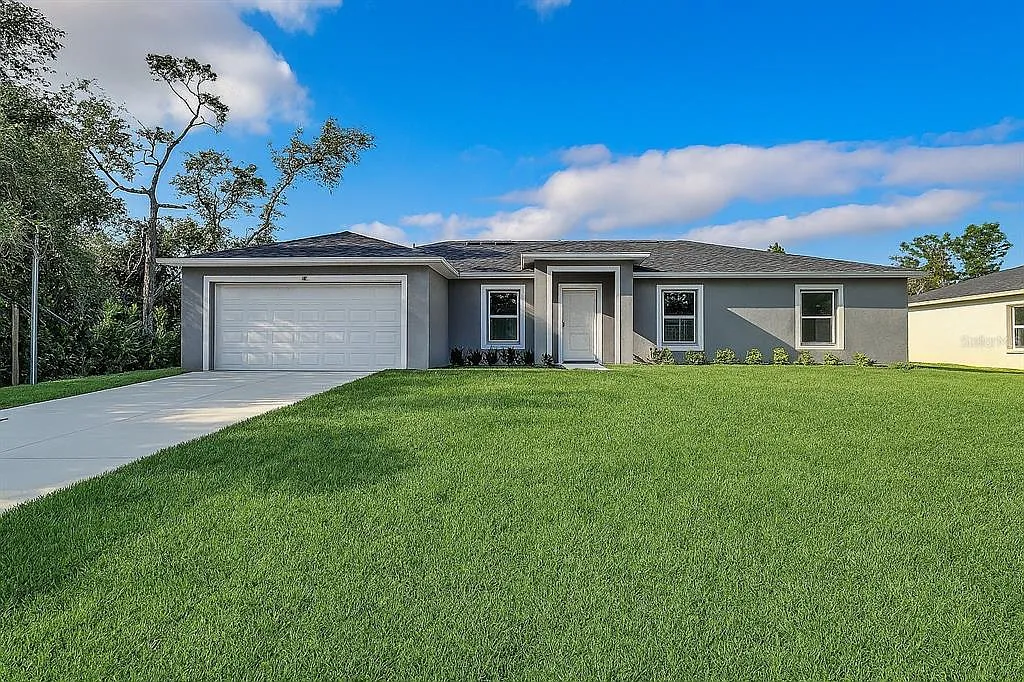
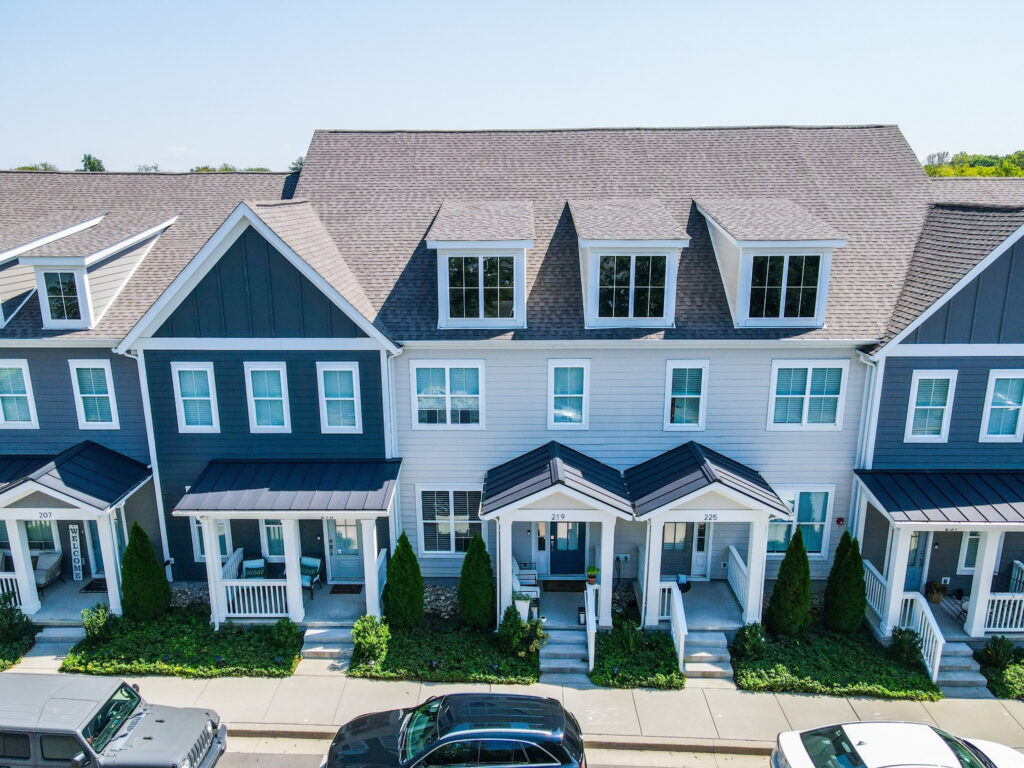
Out‑of‑State investors can compare Tennessee’s newer rental with higher NOI vs Florida’s A+ property with strong yield. Which fits YOUR investment strategy?
We have much more inventory available than what you see on our website – Let us know about your requirement.
📈 Choose Your Winner & Contact Us Today!
Speak to a Norada Investment Counselor (No Obligation):
(800) 611-3060
Mortgage rates remain high in 2026, but rental properties continue to deliver strong cash flow and appreciation. Savvy investors know that turnkey real estate is the path to passive income and long‑term wealth.
Norada Real Estate helps you secure turnkey rental properties designed for immediate cash flow and appreciation—so you can invest smartly regardless of interest rate trends.
Also Read:
- Mortgage Rates Predictions Backed by 7 Leading Experts: 2025–2026
- Mortgage Rate Predictions for the Next 3 Years: 2026, 2027, 2028
- 30-Year Fixed Mortgage Rate Forecast for the Next 5 Years
- 15-Year Fixed Mortgage Rate Predictions for Next 5 Years: 2025-2029
- Will Mortgage Rates Ever Be 3% Again in the Future?
- Mortgage Rates Predictions for Next 2 Years
- Mortgage Rate Predictions for Next 5 Years
- Mortgage Rate Predictions: Why 2% and 3% Rates are Out of Reach
- How Lower Mortgage Rates Can Save You Thousands?
- How to Get a Low Mortgage Interest Rate?
- Will Mortgage Rates Ever Be 4% Again?