Good news for homeowners looking to refinance! Today, June 27, 2026, the national average for a 30-year fixed refinance rate has seen a welcome drop, falling to 6.62%, an 11 basis point decrease from yesterday's 6.73%. This move signals a potential shift in the market that could benefit many looking to lower their monthly payments.
Mortgage Rates Today, June 27, 2026: 30‑Year Refinance Rate Drops by 11 Basis Points
As of Saturday, June 27, 2026, we’ve seen a notable fall in the 30-year fixed refinance rate, landing at 6.62%, according to Zillow. This is an 11 basis point drop from where it stood yesterday. Compared to the average rate last week, which was 6.70%, today’s rate is down by 8 basis points. Now, it's not all good news on every front. The 15-year fixed refinance rate has nudged up a bit, now averaging 5.84% (up 5 basis points from 5.79%). And for those considering an adjustable-rate mortgage, the 5-year ARM refinance rate is holding steady at 6.21%.
What's Driving These Rate Swings?
You might be wondering why these numbers seem to dance around so much. It’s like trying to predict the weather sometimes! From my perspective, observing the market, these recent fluctuations are heavily influenced by a few key factors that are making waves across the economy. We're talking about sticky inflation, a surprisingly resilient labor market, and the ever-present geopolitical pressures, especially with the ongoing situation involving Iran. These aren't just headlines; they directly impact the cost of borrowing money, which is what mortgage rates are all about.
Deeper Dive: Why Mortgage and Refinance Rates Are So Lively Right Now
Let's break down these big influences into more digestible pieces.
1. Inflation's Stubborn Streak
You’ve probably noticed the price of just about everything going up. Consumer prices have seen a significant jump, around 4.2% year-over-year. A big part of this is the surge in energy costs, largely tied to the ongoing conflict in the Middle East. When energy prices climb, it ripples through the economy, making goods and services more expensive. This high inflation is a real hurdle for mortgage rates because it makes it difficult for the yields on long-term bonds – which are the backbone of mortgage pricing – to actually fall. Lenders are looking for a return that outpaces inflation, and when inflation is high, they need to charge more.
2. The Unyielding Jobs Market
On the flip side, the U.S. economy is showing surprising strength in its job market. We've seen unexpected job additions, with the economy adding around 172,000 jobs. While this is great for people looking for work, it signals to lenders and the Federal Reserve that the economy isn't cooling down as quickly as they might hope. When the job market is this strong, there's less pressure for lenders to aggressively lower rates to stimulate borrowing. They see people employed and spending, so they don't feel the urgent need to make borrowing cheaper.
3. The Federal Reserve's Tightrope Walk
The Federal Reserve, the nation's central bank, plays a massive role here. They've recently decided to freeze interest rates, which was a bit of a breather. However, they’ve also strongly hinted that more rate hikes might be on the horizon. We’ve heard from at least nine Fed officials who are indicating further increases. This “hawkish” stance – meaning they're leaning towards fighting inflation with higher rates – makes investors nervous. They start pricing in these future hikes, which keeps the average mortgage rates higher, pushing them above that 6% mark we've been seeing.
4. The Fog of Geopolitical Uncertainty
Then there's the global stage. The ongoing military tensions and the war with Iran have created a cloud of massive market uncertainty. This kind of instability can make investors jumpy. They might suddenly shift their money from safer investments (like bonds, which help keep mortgage rates lower) into other assets, or vice-versa. This back-and-forth movement is why we see mixed signals in the weekly rate trends – like the 30-year rates dropping while the 15-year rates are going up. It’s a direct reaction to the unpredictable global environment.
Today's Refinance Rates at a Glance
Here’s a quick snapshot of the national averages for refinance rates, as reported by Zillow:
| Loan Term | Current Average Rate (June 27, 2026) | Change from Previous Day | Change from Previous Week |
|---|---|---|---|
| 30-Year Fixed | 6.62% | -0.11% (11 bps) | -0.08% (8 bps) |
| 15-Year Fixed | 5.84% | +0.05% (5 bps) | (Data not provided for week-over-week change) |
| 5-Year ARM | 6.21% | No Change | (Data not provided for week-over-week change) |
(Data Source: Zillow)
What This Means for You
So, what’s the takeaway from today’s numbers? For anyone considering refinancing their mortgage, especially those with a 30-year fixed loan, this 11 basis point drop is definitely a positive development. It could mean a lower monthly payment, which frees up cash for other financial goals, like saving for retirement, paying down other debts, or even investing.
However, with the 15-year fixed rate ticking up and the overall volatility, it’s crucial to act decisively if you see a rate that works for you, but also to understand the broader economic picture. The Fed's signals about potential future rate hikes mean that borrowing costs could rise again. This is why I always advise homeowners to get personalized quotes and consult with a trusted mortgage professional. They can help you weigh the pros and cons based on your specific financial situation and goals.
Remember, mortgage rates are influenced by a complex web of economic forces, and what happens today might not be what happens next week. Keeping an eye on these trends, understanding what’s behind them, and having a clear financial strategy are your best bets for navigating the current mortgage market.
VS
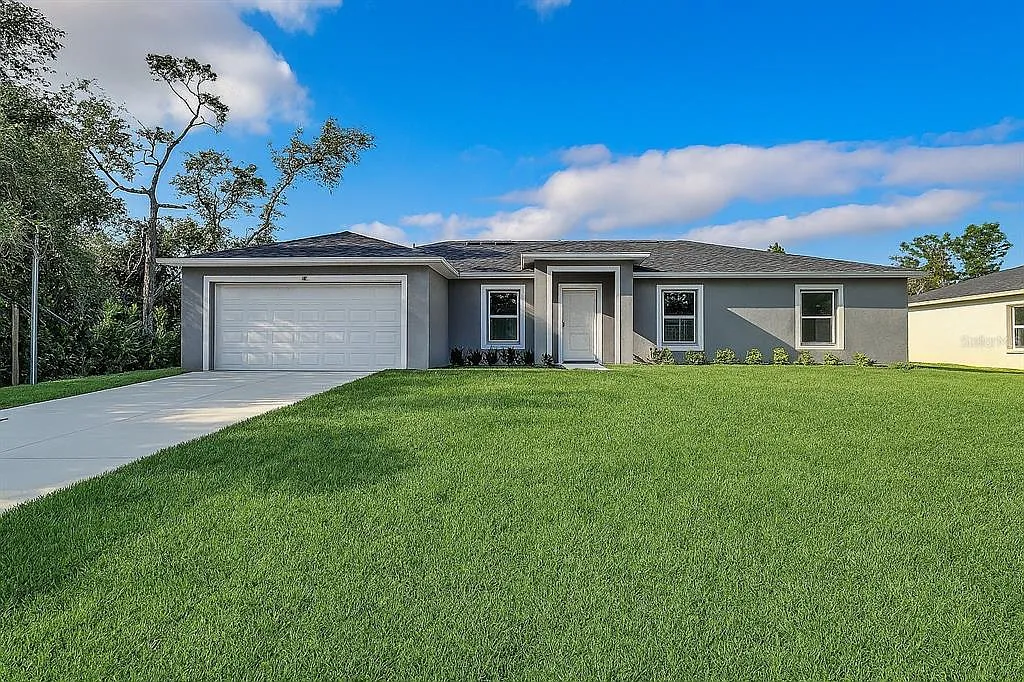
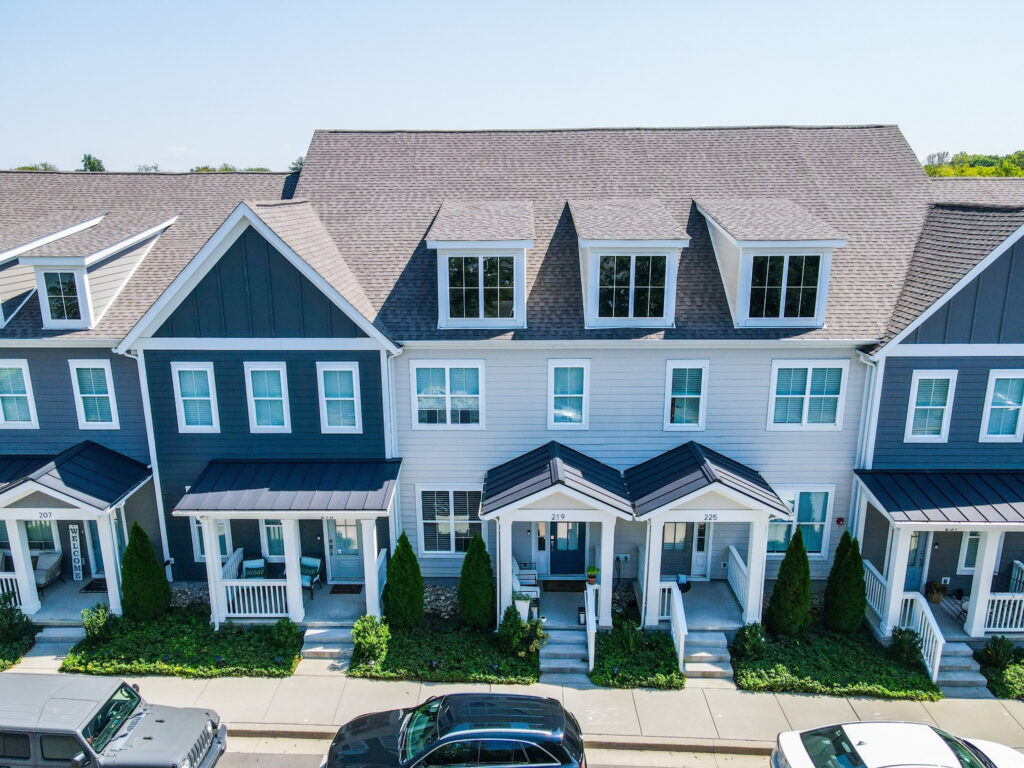
Out‑of‑State investors can compare Tennessee’s newer rental with higher NOI vs Florida’s A+ property with strong yield. Which fits YOUR investment strategy?
We have much more inventory available than what you see on our website – Let us know about your requirement.
📈 Choose Your Winner & Contact Us Today!
Speak to a Norada Investment Counselor (No Obligation):
(800) 611-3060
Mortgage rates remain high in 2026, but rental properties continue to deliver strong cash flow and appreciation. Savvy investors know that turnkey real estate is the path to passive income and long‑term wealth.
Norada Real Estate helps you secure turnkey rental properties designed for immediate cash flow and appreciation—so you can invest smartly regardless of interest rate trends.
Also Read:
- Mortgage Rates Predictions Backed by 7 Leading Experts: 2025–2026
- Mortgage Rate Predictions for the Next 3 Years: 2026, 2027, 2028
- 30-Year Fixed Mortgage Rate Forecast for the Next 5 Years
- 15-Year Fixed Mortgage Rate Predictions for Next 5 Years: 2025-2029
- Will Mortgage Rates Ever Be 3% Again in the Future?
- Mortgage Rates Predictions for Next 2 Years
- Mortgage Rate Predictions for Next 5 Years
- Mortgage Rate Predictions: Why 2% and 3% Rates are Out of Reach
- How Lower Mortgage Rates Can Save You Thousands?
- How to Get a Low Mortgage Interest Rate?
- Will Mortgage Rates Ever Be 4% Again?