If you’ve been keeping an eye on your mortgage, today, June 28, 2026, brings some good news. The average 30-year fixed refinance rate has dipped to 6.62%, a drop of 8 basis points from the previous week. This is a welcome change, and for many, it might be the perfect time to consider refinancing your home loan.
As reported by Zillow, this downward tick in rates means that refinancing could unlock significant savings for you. But is it the right move for your specific situation? That's what I'm here to help you figure out. We'll dive into what this rate drop means, why it's happening, and how you can determine if refinancing makes sense for your wallet.
Mortgage Rates Today, June 28, 2026: 30‑Year Refinance Rate Drops by 8 Basis Points
Understanding the Rate Movement: A Mixed Bag
It's interesting to see how different mortgage types are behaving right now. While the 30-year fixed refinance rate is heading south, the 15-year fixed refinance rate has actually inched up to 5.81%. And the 5-year adjustable-rate mortgage (ARM) is holding steady at 6.38%.
Let’s break down what this looks like:
| Loan Type | Current Average Rate | Change (Daily) | Change (Weekly) | Best Suited For | Key Risk / Benefit |
|---|---|---|---|---|---|
| 30-Year Fixed | 6.62% | Down 5 bps | Down 8 bps | Long-term residency | Benefit: Maximum payment stability; lowest monthly obligation. |
| 15-Year Fixed | 5.81% | Up 7 bps | Up 7 bps | Accelerated equity build | Risk: Drastically higher monthly payments despite lower interest rate. |
| 5-Year ARM | 6.38% | Flat | Flat | Short-term owners (under 5 years) | Risk: Rate adjusts upward after year 5 based on volatile market indexes. |
What this table shows me is that the market is giving us a bit of a mixed signal. The 30-year fixed rate is definitely the star of the show today, offering a lower cost for those who plan to stay in their homes for a long time. However, the 15-year fixed is getting pricier, and the ARM isn't offering much of a discount over the 30-year fixed anymore. This means you really need to think about your own plans before jumping into any refinance.
Why Are Rates Moving Like This? Let’s Dig Deeper.
It’s not just random chance that mortgage rates move. Several big economic factors are at play, and understanding them can help you make smarter decisions.
- Treasury Yields are Key: Contrary to what some people think, mortgage rates don’t just follow what the Federal Reserve does with its short-term rates. Instead, they are much more closely tied to the yields on longer-term government bonds, especially the 10-year U.S. Treasury bond. When those yields go up, mortgage rates tend to follow, and when they go down, mortgage rates usually follow suit.
- Economic News Matters: Big economic reports, like the latest inflation numbers (think CPI and PCE) or the monthly jobs report, can cause mortgage rates to swing pretty wildly, sometimes within a single day. If inflation is higher than expected, rates might jump. If the job market cools down, rates might fall. We're always watching these reports closely.
- The Gap Between 15-Year and 30-Year Rates: Zillow’s data shows the difference between the 30-year fixed rate (6.62%) and the 15-year fixed rate (5.81%) is now about 0.81%. Historically, this gap has often been wider, making the 15-year loan a much more attractive option for those wanting to save on interest over time. Now, the savings are smaller, which means the higher monthly payment on a 15-year loan might be harder to justify for some.
- ARMs Aren’t as Cheaper: The 5-year ARM is currently at 6.38%, which is only a little bit lower than the 30-year fixed rate. This small difference means the potential savings aren't huge, and you’re still taking on the risk that your rate will go up significantly after five years.
Is Refinancing Right for YOU? A Step-by-Step Plan
So, you see a lower rate, but should you actually do it? Here’s how I’d walk through the decision process:
Step 1: Know Your Current Mortgage
First, pull up the details of your existing loan. What’s your current interest rate? How much do you still owe? And how many years are left on your mortgage?
Step 2: Calculate Your Break-Even Point
Refinancing isn’t free. You’ll have closing costs, which can be anywhere from 2% to 5% of your loan amount. To figure out your break-even point, you divide those closing costs by the monthly savings you’ll get from the new, lower rate.
- Example: Let’s say your closing costs add up to $6,000, and your new monthly payment will be $150 lower. Your break-even point is 40 months ($6,000 / $150). This means it will take you 40 months to earn back the money you spent on closing costs.
Step 3: Think About Your Timeline
This is crucial. If you plan to move or sell your home before you reach that break-even point, then refinancing might actually cost you money. So, if your break-even is 40 months, and you think you might move in 30 months, it's probably not worth it.
Step 4: Check Your Qualifications
Even with a great rate, you need to qualify for the new loan. Lenders will look at:
- Your Credit Score: Aim for 740 or higher to get the best rates. Scores below 680 will likely mean a higher interest rate.
- Your Debt-to-Income Ratio (DTI): This is your total monthly debt payments divided by your gross monthly income. Most lenders like to see this below 43%.
- Your Home Equity: You generally need at least 20% equity in your home (meaning your loan balance is 80% or less of your home’s value) to avoid paying Private Mortgage Insurance (PMI) on the new loan. Paying PMI eats into your monthly savings.
The “1% Rule” and Equity Considerations
I’ve heard people talk about the “1% rule” for refinancing – meaning you should only refinance if rates drop by a full percentage point. Honestly, with today’s larger loan balances, that rule isn’t always the best guide. A drop of 0.50% to 0.75% can often be enough to justify the costs, especially if you plan to stay in your home for a while.
And remember that equity requirement. If you don’t have 20% equity, the cost of PMI on your new loan could easily wipe out any savings from a lower rate.
Making the Most of Your Refinance
If you decide that refinancing makes sense, here are a few more tips:
- Shop Around: Don’t just go with the first lender you talk to. Get quotes from at least 3-4 different lenders. Even small differences in rates or fees can add up.
- Ask About a “Float-Down” Option: This is a feature some lenders offer. It means that if market rates drop even further between when you lock your rate and when your loan closes, you can take advantage of that lower rate. It’s like a safety net!
- Understand Your Loan Options:
- A 30-year fixed is great for predictable payments over the long haul.
- A 15-year fixed helps you pay off your home faster but comes with a much higher monthly payment.
- A 5-year ARM might seem appealing for its lower initial rate, but be prepared for that rate to increase after five years.
Today’s rate drop on the 30-year fixed refinance is a positive sign for homeowners looking to save. By understanding the market, calculating your break-even point, and considering your personal financial situation and future plans, you can make an informed decision about whether this is the right time for you to refinance.
VS
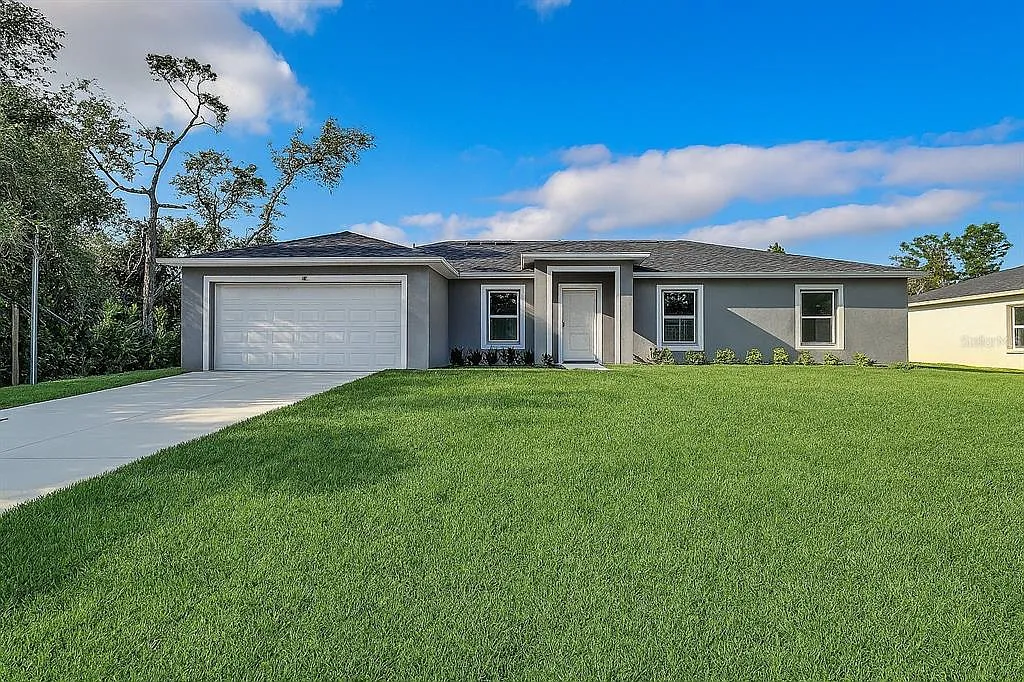
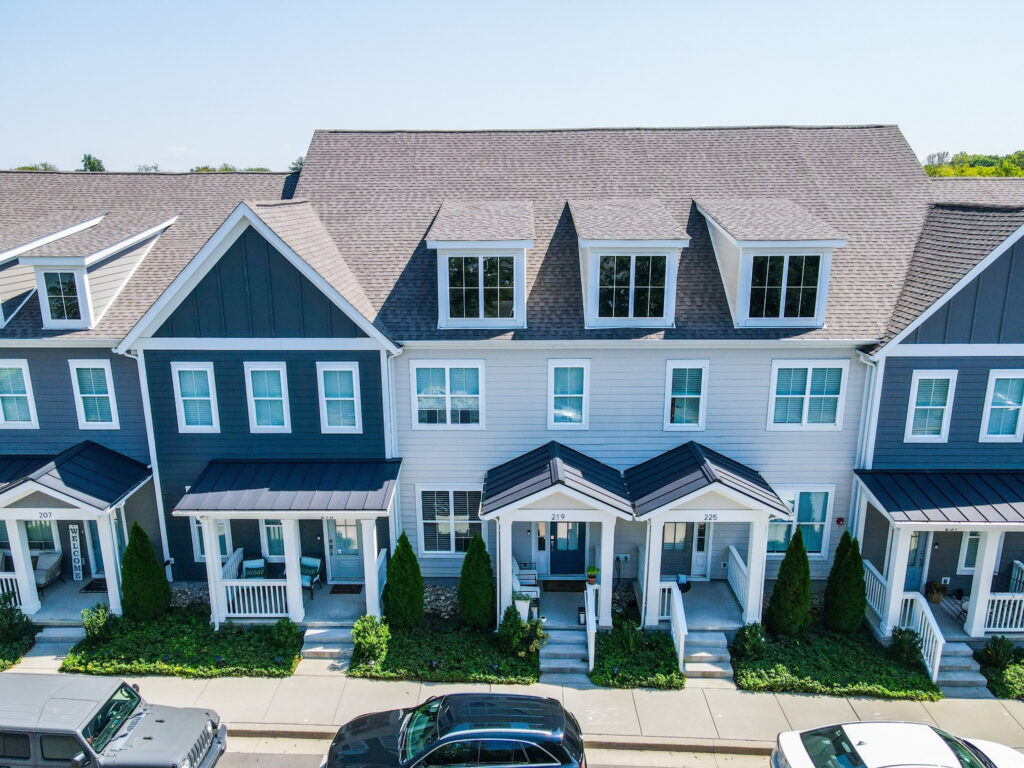
Out‑of‑State investors can compare Tennessee’s newer rental with higher NOI vs Florida’s A+ property with strong yield. Which fits YOUR investment strategy?
We have much more inventory available than what you see on our website – Let us know about your requirement.
📈 Choose Your Winner & Contact Us Today!
Speak to a Norada Investment Counselor (No Obligation):
(800) 611-3060
Mortgage rates remain high in 2026, but rental properties continue to deliver strong cash flow and appreciation. Savvy investors know that turnkey real estate is the path to passive income and long‑term wealth.
Norada Real Estate helps you secure turnkey rental properties designed for immediate cash flow and appreciation—so you can invest smartly regardless of interest rate trends.
Also Read:
- Mortgage Rates Predictions Backed by 7 Leading Experts: 2025–2026
- Mortgage Rate Predictions for the Next 3 Years: 2026, 2027, 2028
- 30-Year Fixed Mortgage Rate Forecast for the Next 5 Years
- 15-Year Fixed Mortgage Rate Predictions for Next 5 Years: 2025-2029
- Will Mortgage Rates Ever Be 3% Again in the Future?
- Mortgage Rates Predictions for Next 2 Years
- Mortgage Rate Predictions for Next 5 Years
- Mortgage Rate Predictions: Why 2% and 3% Rates are Out of Reach
- How Lower Mortgage Rates Can Save You Thousands?
- How to Get a Low Mortgage Interest Rate?
- Will Mortgage Rates Ever Be 4% Again?