If you're looking to refinance your home, it's important to know that the numbers have shifted. As of today, September 17, 2026, the average 30-year fixed refinance rate has gone up by 20 basis points, now sitting at 7.41%. This means refinancing your mortgage is a bit more expensive than it was just a week ago.
Mortgage Rates Today, September 17, 2026: 30-Year Refinance Rate Rises by 20 Basis Points
What's Happening with Refinance Rates?
So, what does this 7.41% actually mean for you? Well, it's the average rate that people are being offered for a 30-year fixed mortgage when they're looking to refinance. A “fixed” rate means the interest you pay stays the same for the entire 30 years of the loan. This is different from an “adjustable-rate mortgage” (ARM), where the rate can change over time.
According to Zillow, the average U.S. mortgage refinance rates have now officially sailed past the 7% mark and are sitting quite a bit higher than they were just a few months ago in the summer.
Let's break down the current picture:
| Loan Type | Average Rate (September 17, 2026) | Change from Previous Week |
|---|---|---|
| 30-Year Fixed Refinance | 7.41% | Up 20 basis points |
| 15-Year Fixed Refinance | 6.47% | Stable |
| 5-Year ARM Refinance | 6.25% | Stable |
Basis points are just a fancy way of saying hundredths of a percent. So, 20 basis points is equal to 0.20%.
I remember when rates were much lower, and it felt like everyone was rushing to refinance. Now, seeing them climb again makes you think twice. It's not a bad thing, but it does mean we need to be smarter about our decisions.
Why Are Rates Going Up? It's Not Just Random!
It’s easy to just see a number go up and feel a bit uneasy. But understanding why these rates are moving is super important. Think of it like understanding why the weather changes.
Right now, two big things are pushing refinance rates higher:
- The Federal Reserve Made a Move: The Federal Reserve, which is like the big bank for all the other banks in the U.S., decided to raise its main interest rate. They did this yesterday, on September 16, 2026, by a quarter of a percent. This is a pretty big deal because it’s the first time they’ve raised rates in three years! They had been expected to maybe lower them, but that's not happening right now. When the Fed raises its rate, it makes it more expensive for banks to borrow money, and they usually pass that cost on to us when we want to borrow for a house.
- Inflation is Still a Problem: The Fed didn't raise rates just for fun. They did it because prices for things are still going up faster than they want them to. Their goal is for prices to only go up by about 2% each year. But right now, that's not happening. We've had some jobs reports that were stronger than expected, and prices for things like gas have been going up because of world events. When prices go up too quickly, the Fed tries to slow things down by making borrowing money more expensive.
From my experience, when the Fed signals they are serious about fighting inflation, they tend to keep rates higher for longer. This is a change from what many people were hoping for earlier in the year.
What's the Biggest Thing to Remember Right Now?
Here's the real takeaway for anyone thinking about refinancing: the time to wait for rates to drop quickly is probably over for now.
The Federal Reserve even shared a little peek at what they might do next, and it suggests they might raise rates again before the year is out. This means that rates could stay where they are or even keep going up.
So, what should you do?
- Think About Your “Why”: Do you have a really good reason to refinance right now? Maybe you need to pull money out of your house for something important, like an unexpected medical bill or a big home repair. Or maybe you have a loan where the interest rate can change, and you want to lock in a fixed rate before it goes up even more. If you have a strong reason, getting a rate now might be better than waiting.
- Know Your Current Rate: If your current mortgage rate is already lower than, say, 6.5%, it might be a better idea to just stick with it for now. Refinancing to a higher rate wouldn't save you money in the long run.
- Shop Around! This is the most important advice I can give. Don't just go with the first lender you talk to. Get quotes from at least three different banks or mortgage companies. The rates they offer can be different depending on your credit score, how much money you have in your home (your equity), and other things.
Understanding the Different Loan Types
It's helpful to know what the different loan types mean:
- 30-Year Fixed Refinance: This is the most common. You pay the same amount of interest for 30 years. It's good because your payment is predictable.
- 15-Year Fixed Refinance: You pay off your mortgage faster, usually in 15 years. Your monthly payments will be higher than a 30-year loan, but you'll pay less interest over the life of the loan.
- 5-Year ARM Refinance: This is a loan where the interest rate stays the same for the first 5 years, and then it can change each year after that based on market conditions. These often start with a lower rate than fixed loans, but they come with the risk of your payments going up.
My Thoughts on Today's Rates
As someone who spends a lot of time immersed in the world of mortgages, I see these movements as a return to a more “normal” environment after a period of unusually low rates. The days of 3% or 4% mortgages are likely behind us for the foreseeable future. This shift means that homeowners will need to be more strategic about when and if they refinance. It's less about chasing the absolute lowest rate and more about achieving specific financial goals.
The Federal Reserve's decision is a significant indicator. When they tighten monetary policy, it's a clear signal that they are prioritizing price stability over stimulating the economy through cheap borrowing. This is a crucial factor for anyone making long-term financial plans, including homeownership.
I'm seeing more clients asking about shorter-term loans or making extra payments to pay down principal faster. It's a shift in mindset, and that's okay. It just means we all need to be more informed and deliberate.
Ultimately, whether refinancing makes sense today depends entirely on your personal financial situation, your goals, and your current mortgage terms. Don't get discouraged by the upward trend; use it as a reason to be smart and informed.
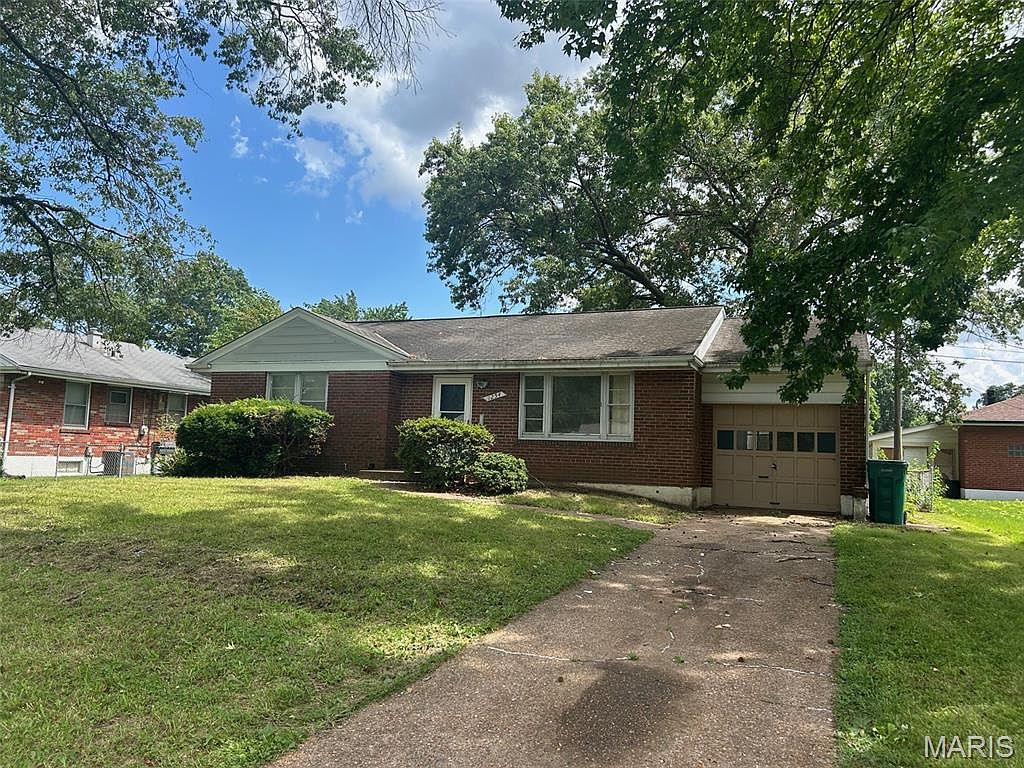
VS
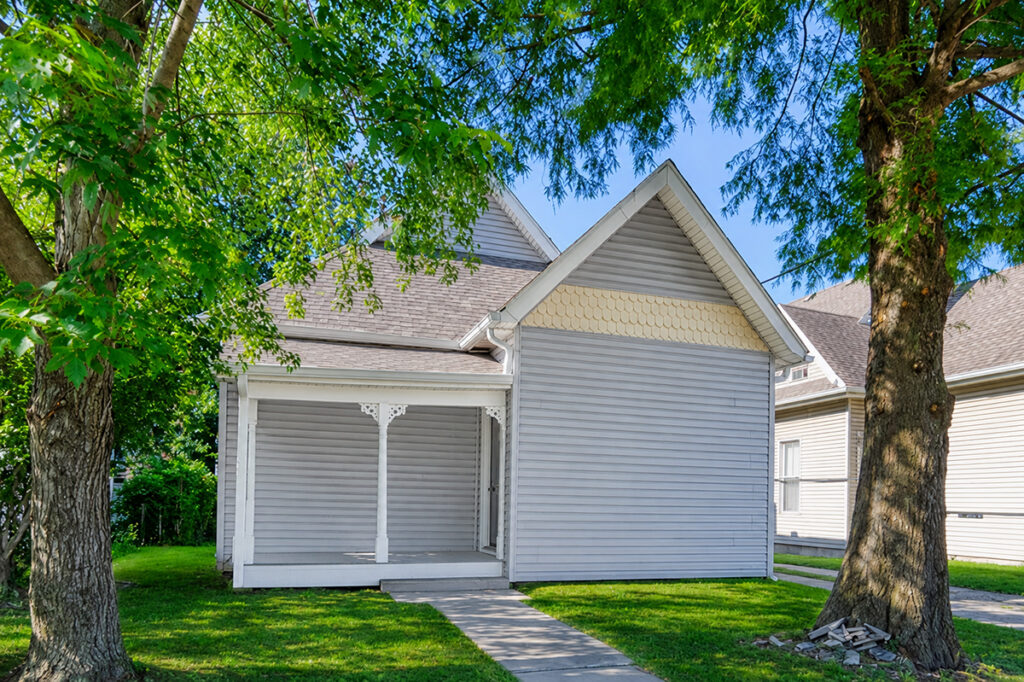
Saint Louis offers a budget‑friendly 4‑bed rental with a high cap rate, while Indianapolis provides a classic 2‑bed property with steady cash flow. Which Midwest market fits YOUR investment strategy?
We have much more inventory available than what you see on our website – Let us know about your requirement.
📈 Choose Your Winner & Contact Us Today!
Speak to a Norada Investment Counselor (No Obligation):
(800) 611-3060
Mortgage rates remain high in 2026, but rental properties continue to deliver strong cash flow and appreciation. Savvy investors know that turnkey real estate is the path to passive income and long‑term wealth.
Norada Real Estate helps you secure turnkey rental properties designed for immediate cash flow and appreciation—so you can invest smartly regardless of interest rate trends.
Also Read:
- Mortgage Rates Predictions Backed by 7 Leading Experts: 2025–2026
- Mortgage Rate Predictions for the Next 3 Years: 2026, 2027, 2028
- 30-Year Fixed Mortgage Rate Forecast for the Next 5 Years
- 15-Year Fixed Mortgage Rate Predictions for Next 5 Years: 2025-2029
- Will Mortgage Rates Ever Be 3% Again in the Future?
- Mortgage Rates Predictions for Next 2 Years
- Mortgage Rate Predictions for Next 5 Years
- Mortgage Rate Predictions: Why 2% and 3% Rates are Out of Reach
- How Lower Mortgage Rates Can Save You Thousands?
- How to Get a Low Mortgage Interest Rate?
- Will Mortgage Rates Ever Be 4% Again?



