Yes — in more markets than at any point in years, homebuyers finally have real negotiating power in fall 2026. With roughly 4.9 months’ supply and existing sales near a 14-month low, the automatic “waive everything” playbook is fading. That does not mean sellers will give houses away. It means leverage is back on the table if you use it calmly and specifically.
Mortgage rates near 7% still limit how many buyers can stretch, which is exactly why sellers who need to close are more open to credits, repairs, and timeline flexibility. The Fed’s unanimous move to 3.75%–4.00% under Chair Kevin Warsh, with an SEP median near ~4.1% for end-2026, keeps that rate backdrop firm. For the inventory math, see 1.62 million homes and 4.9 months’ supply. For how builders are already conceding, see incentives and price cuts.
With 4.9 Months of Housing Supply, Do Homebuyers Finally Have Negotiating Power in Fall 2026?
What Negotiating Power Looks Like in a Contract
Negotiating power is not a social-media vibe. It shows up in writing: price, credits, contingencies, closing date, rent-backs, personal property, and who pays which fees. When months’ supply sits near 4.9 and traffic is thinner, a well-qualified buyer who asks for reasonable concessions often gets a hearing instead of an automatic rejection.
- Price: room to negotiate on stale or over-improved listings
- Credits: closing costs or points to offset ~7% financing
- Repairs: inspection items that used to be shrugged off
- Timing: freer closing and possession structures
- Risk allocation: fewer pressure tactics to waive essential protections

Why Fall 2026 Feels Different
Three ingredients stacked together. First, inventory rebuilt toward about 1.62 million listings. Second, sales cooled to roughly 3.98 million SAAR — a 14-month low (existing-home sales context). Third, financing stayed expensive even as the Fed delivered its first hike in more than three years. Expensive credit plus more choice equals leverage for buyers who can still qualify.
Builders felt it early: sentiment soft at an HMI of 32, incentives widespread, selective price cuts. Resale sellers are catching up unevenly. Some still priced for 2022 psychology; others already negotiate like professionals who read the absorption data.
Where Leverage Is Strongest — and Where It Is Not
Leverage is usually strongest on homes with rising days on market, properties needing obvious work, new builds competing with nearby resale, and markets where insurance or HOA costs scare marginal buyers. Leverage is weaker on turnkey homes in supply-constrained school districts, uniquely located properties, and anything that still draws multiple offers. National balance does not erase local scarcity.
| Ask | When it often works | Watch-out |
|---|---|---|
| Seller-paid points / buydown | Rate-sensitive buyers; competing new builds | Seller net proceeds; lender rules |
| Closing-cost credit | Cash-to-close strain at ~7% rates | Loan program credit caps |
| Repair credit | Clear inspection issues | Avoid nickel-and-diming cosmetics |
| List-price cut | Stale listing vs fresh comps | Appraisal and seller pride dynamics |
| Flexible closing / rent-back | Seller needs time; buyer wants the house | Insurance and occupancy details |
A Warm, Practical Playbook for Buyers
Lead with respect, not aggression. Sellers still have bills, memories, and stress tied to these homes. The most effective buyers sound like partners solving a payment problem together.
- Know your full payment ceiling including taxes, HOA, and insurance — the “second shock” in insurance raising the monthly payment.
- Shop new and resale the same week so you can cite real incentive packages, not rumors.
- Prefer credits that lower the rate or cash-to-close when list-price pride is sticky.
- Keep inspection and financing contingencies unless you have a rare must-win scenario.
- Ask about 2-1 buydowns when the note rate sits near 7% and early payment relief would make the budget work.
- Compare loan channels — FHA/VA versus conventional can change negotiating room by changing the payment.
Write offers that are clean on financing proof and messy only where you need protection. Sellers concede more readily to buyers who look capable of closing.
Advice for Sellers Who Want Out Cleanly
If you need to move this fall, treat buyer leverage as information rather than insult. Pre-inspect, price to current absorption, and decide in advance which concessions you will trade for certainty. A slightly lower net with a firm closer often beats two more months of carrying costs and price cuts after the listing goes stale.
Monitor competing new construction carefully. When survey snapshots show about 66% of builders offering incentives and 38% cutting prices, resale listings that ignore those alternatives look expensive even with a lovely kitchen. Your buyer is comparing monthly payments across both channels.
How to Negotiate Without Burning the Deal
A few human habits help:
- Prioritize two or three asks; do not submit a Christmas list of nickels.
- Tie requests to evidence — inspection photos, comparable incentives, insurance quotes.
- Offer something back when you can (flexible closing, as-is on minor items, stronger earnest money).
- Keep tone adult in email and in person; agents and sellers remember who was easy to work with.
If the other side will not move on price, pivot to rate help. Many sellers will fund points or a temporary buydown before they emotionally accept a lower “sold” number — even when the economics are similar.
Investors and Negotiation Discipline
Investors should negotiate like operators: repair escrows, clear documentation, honest rent rolls, and conservative refinance assumptions while retail rates sit near 7%. Soft purchase demand (MBA applications and weak purchase volume) can lengthen your buy timeline — which is fine if your underwriting assumes today’s market, not a fantasy bounce.
Also remember variable-rate products. If you plan to tap equity later, HELOC pricing after the Fed hike can change the carrying cost of a bridge strategy.
Sample Fall 2026 Offer Structures That Travel Well
Every market is local, but a few structures keep showing up in conversations with agents when supply sits near 4.9 months and rates hover near 7%:
- List price close to ask + seller credit for points: helps the seller’s “sold” pride while lowering your payment.
- Modest price cut + repair credit: useful when inspection finds real items and the listing has aged.
- As-is on cosmetics + firm on safety systems: signals seriousness without ignoring material defects.
- Buydown-focused package on new construction: compare against resale credits using the same payment worksheet.
Run the numbers both ways before you fall in love with a tactic. A $10,000 credit toward discount points can beat a $10,000 price cut for monthly affordability, depending on loan size and how long you expect to keep the mortgage. If you might move again in a few years, temporary structures such as a 2-1 buydown may fit better than permanent points — or vice versa. The right answer is the one that matches your hold period.
Psychology: Why Polite Leverage Wins
Housing negotiations are emotional even when the spreadsheet is cold. Sellers often hear a low offer as a judgment on their home and their past decisions. Buyers often hear a rejection as a judgment on their budget. The adults in the room reframe both sides around shared constraints: today’s rate, today’s insurance quote, today’s competing listings.
That framing also helps when the Fed news cycle is loud. A unanimous hike to 3.75%–4.00% and talk of a path near ~4.1% by year-end can spook buyers into waiting forever — or spook sellers into clinging to last year’s price. Negotiation power is most useful when you still make decisions. Waiting for a perfect headline is not a strategy.
Bottom Line
Fall 2026 is one of the first seasons in a long while when many buyers can negotiate without being laughed out of the kitchen. Roughly 4.9 months’ supply, soft sales near 3.98M SAAR, and ~7% mortgage rates created that opening — even after a Fed hike to 3.75%–4.00%. Use the leverage for better terms and clearer contingencies, not for reckless lowballs that waste everyone’s time. Power works best when it stays polite, specific, and grounded in the payment math both sides can see.
VS
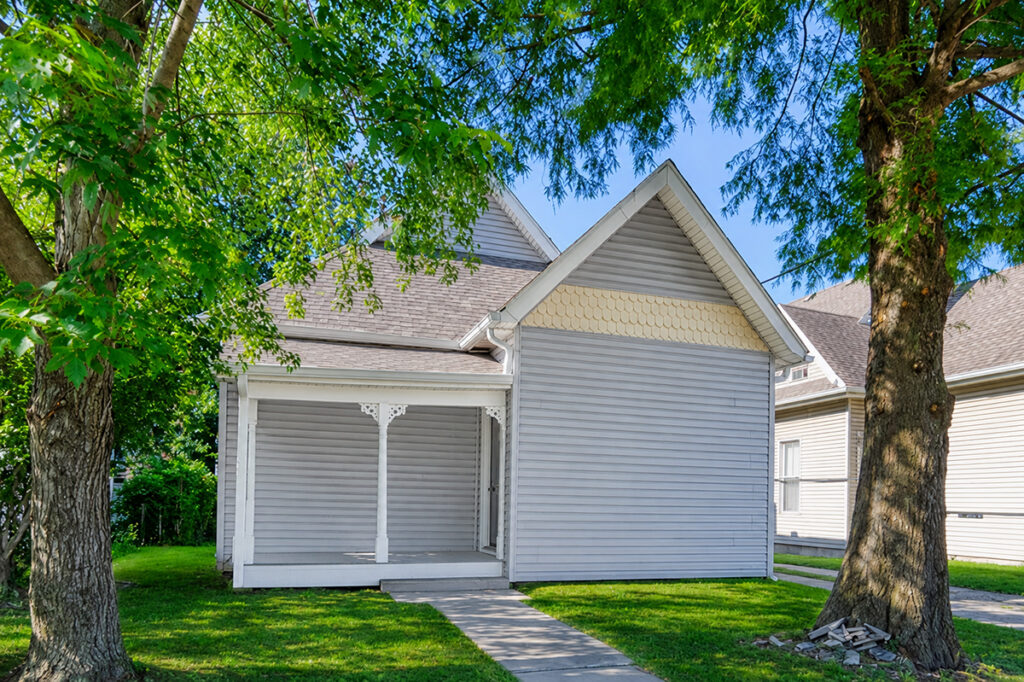
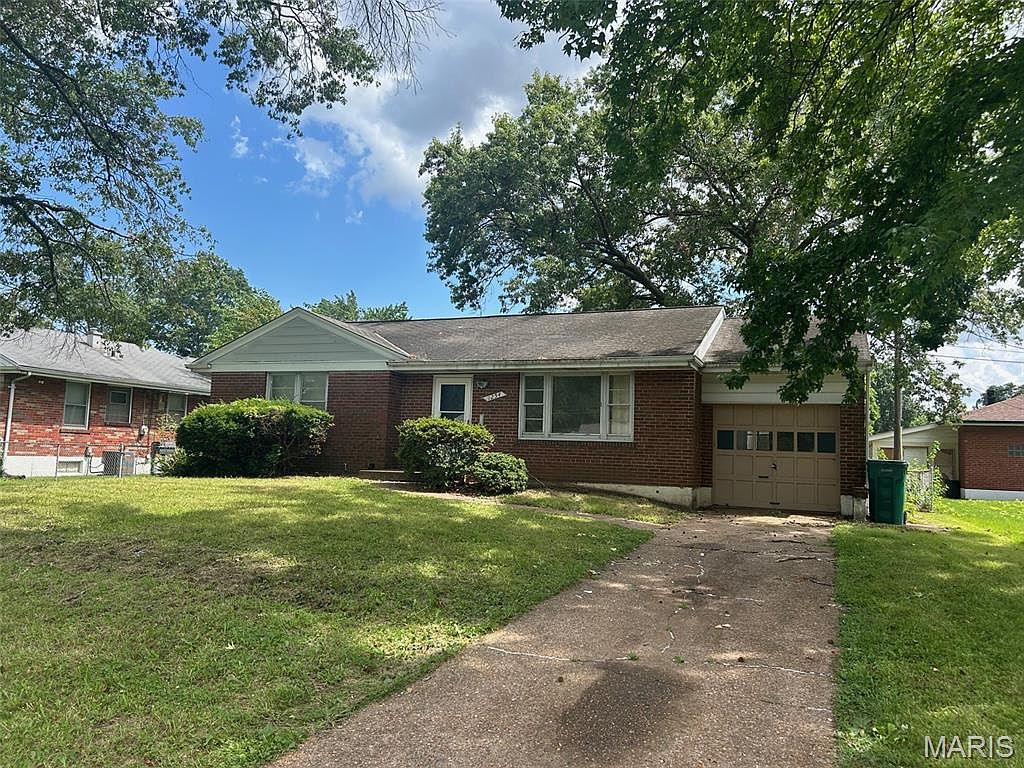
Saint Louis offers a budget‑friendly 4‑bed rental with a high cap rate, while Indianapolis provides a classic 2‑bed property with steady cash flow. Which Midwest market fits YOUR investment strategy?
We have much more inventory available than what you see on our website – Let us know about your requirement.
📈 Choose Your Winner & Contact Us Today!
Speak to a Norada Investment Counselor (No Obligation):
(800) 611-3060
Also Read:
- Top 10 Housing Markets Set to Deliver High ROI in 2026
- Top 10 Most Popular Housing Markets of 2025 for Homebuyers
- Will Real Estate Rebound in 2026: Top Predictions by Experts
- Housing Market Predictions for the Next 4 Years: 2026, 2027, 2028, 2029
- Housing Market Predictions for 2026 Show a Modest Price Rise of 1.2%
- Housing Market Predictions 2026 for Buyers, Sellers, and Renters
- 12 Housing Markets Set for Double-Digit Price Decline by Early 2026
- Real Estate Forecast: Will Home Prices Bottom Out in 2025?
- Housing Markets With the Biggest Decline in Home Prices Since 2024
- Why Real Estate Can Thrive During Tariffs Led Economic Uncertainty
- Rise of AI-Powered Hyperlocal Real Estate Marketing in 2025
- Real Estate Forecast Next 5 Years: Top 5 Predictions for Future
- 5 Hottest Real Estate Markets for Buyers & Investors in 2025