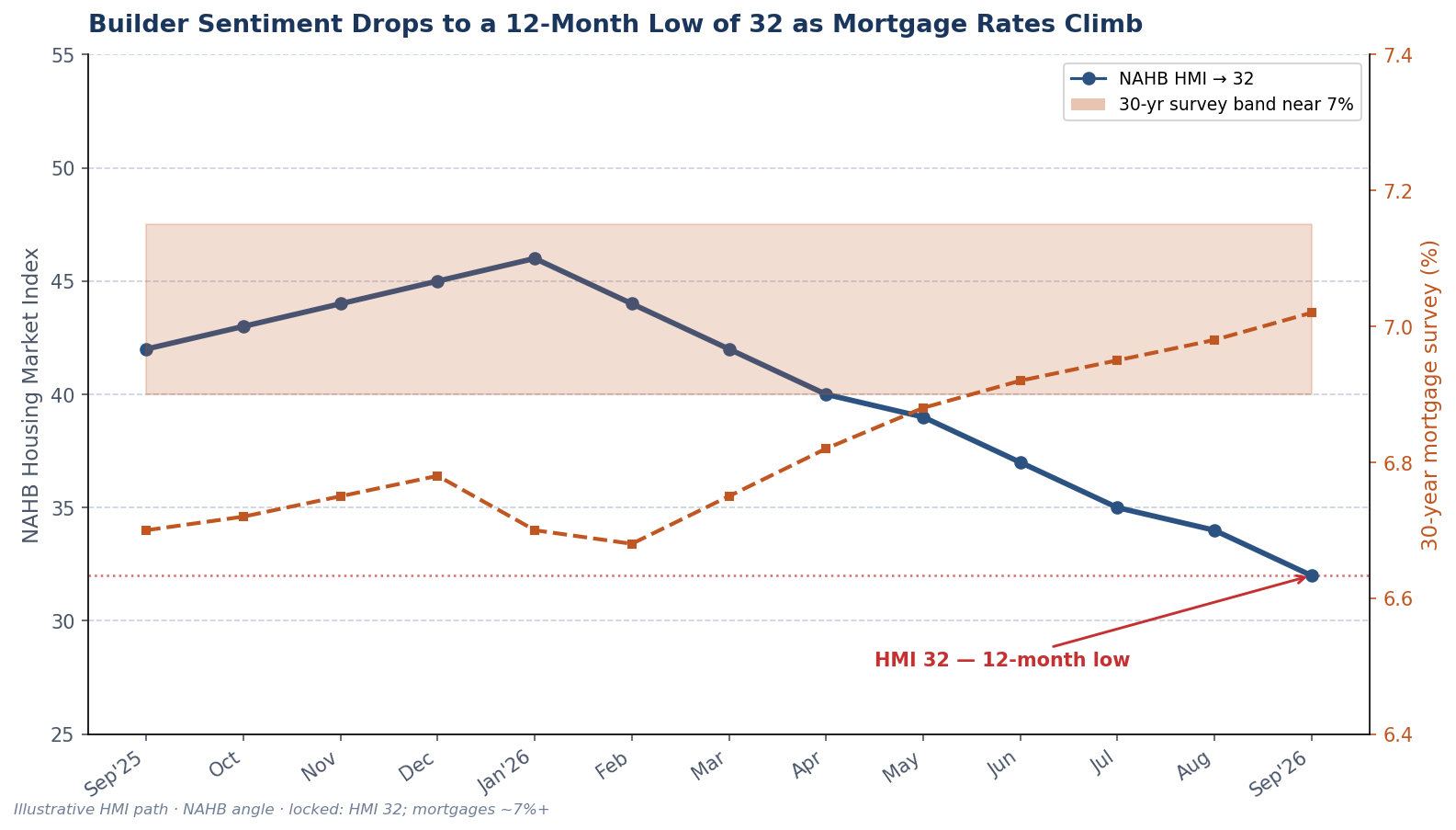
Builder confidence just took another hit: the NAHB Housing Market Index (HMI) fell to 32, a 12-month low, as mortgage rates climb and hover near 7%. Any reading under 50 means more builders view conditions as poor than good — and 32 is a clearly cautious tape, not a mild shrug.
That gloom lines up with what shoppers already feel in model homes: slower traffic, heavier incentives, and selective price cuts. It also fits a Fed backdrop of a unanimous +25 bp hike to 3.75%–4.00% under Chair Kevin Warsh and an SEP median near ~4.1% for end-2026. For the incentive response, see 66% offering incentives and 38% cutting prices. For demand in the mortgage channel, see mortgage applications falling.
NAHB Builder Sentiment Drops to a 12-Month Low of 32 as Mortgage Rates Climb
Reading an HMI of 32 Without Overreacting
The HMI is a diffusion index of builder sentiment — current sales, traffic of prospective buyers, and near-term expectations — not a hard count of housing starts. A drop to 32 on a 12-month low says confidence is weak, especially where payment sensitivity is highest at the entry level. It does not mean builders stop building overnight. Many continue projects already underway while adjusting floor plans, options packages, and discounts on standing inventory.
- HMI: 32 (below 50 = negative territory)
- Context: 12-month low
- Rate link: 30-year fixed surveys ~7.00%–7.08%; some quotes higher
- Policy: fed funds 3.75%–4.00% after first hike in 3+ years; SEP median ~4.1%
- Competitive set: resale inventory ~1.62M / ~4.9 months’ supply
Why Builders Feel the Rate Pinch So Directly
New-home shoppers are often payment shoppers first. When rates sit near 7%, monthly principal and interest jump enough to knock a buyer out of a floor plan — or push them toward a smaller home, a different community, a resale with credits, or a pause. Builders then choose among imperfect options: hold price and watch specs age, cut price, buy down the rate, or throw in upgrades and closing help.
Resale competition matters more than it did in the ultra-tight years. With inventory near 1.62 million and months’ supply around 4.9, new construction is no longer the only place with keys ready. That is healthy for consumers and stressful for builder margins. Soft existing sales near a 14-month low (3.98M SAAR context) mean the pool of ready closers is simply smaller.
Sentiment vs. Starts vs. Transaction Terms
Keep three dashboards separate in your head:
- Sentiment (HMI) — how builders feel right now
- Activity — permits, starts, completions (lagged and sticky)
- Transaction terms — incentives, cuts, and sales pace on the ground
HMI can look awful while crews still finish homes already framed. The tell for buyers is usually the incentive sheet and the sales manager’s flexibility, not the headline index alone. The tell for investors watching future supply is whether builders slow new community openings after confidence stays depressed.
| Indicator | Recent signal | Buyer/seller takeaway |
|---|---|---|
| NAHB HMI | 32 (12-month low) | Builders expect tough selling conditions |
| Incentives / cuts | Widespread in September surveys | Negotiate rate help and options |
| Existing inventory | 1.62M / 4.9 months | New vs resale competition is real |
| Mortgage demand | Purchase apps weak YoY | Traffic not suddenly healing |
| Fed path | 3.75%–4.00%; SEP ~4.1% | Cheap-credit hopes stay on hold |
What Home Shoppers Should Do With Soft Sentiment
Soft builder sentiment is your cue to compare communities like a professional — not to assume distress sales on every lot. Plenty of builders would rather incent than slash sticker prices in a way that marks down an entire community’s appraisals.
- Ask for the full incentive menu in writing: rate buydown, closing costs, appliances, design credits, HOA fees.
- Compare the effective payment after incentives to a similar resale using one worksheet (negotiating power tips).
- Clarify whether a buydown is temporary (2-1 buydowns) or permanent points on the note rate.
- Underwrite HOA and insurance early; surprises kill deals late (insurance payment shock).
- Confirm which incentives survive renegotiation if rates drift during your lock period.
What Soft Confidence Means for Future Housing Supply
If sentiment stays depressed, builders may slow future community openings and speculative starts, especially at the entry level where payment math bites hardest. That can eventually re-tighten inventory even if today’s months’ supply looks healthier. In other words: today’s buyer-friendly incentives and tomorrow’s thinner pipeline can both be true across different time horizons.
Investors watching single-family rental deliveries should map which builders are discounting standing inventory versus which are simply delaying phases. Local absorption — not the national HMI alone — still rules the underwriting.
Fed Context Without Confusing the Dial
The Fed does not set the 30-year mortgage one-for-one. Still, a unanimous hike and a year-end SEP median near ~4.1% reinforce that policy is not racing toward cheap credit. Builders read that as “rates may stay restrictive,” which weighs on traffic expectations and on how aggressively they need to incent deals today. For why mortgages were already near 7% before the meeting, see oil, yields, and inflation expectations.
Variable-rate products linked to prime can reprice faster than fixed mortgages after a funds move — relevant if a builder or buyer is bridging with a HELOC or similar tool (HELOC rates after the hike).
Entry-Level Stress and the Affordability Funnel
HMI weakness often concentrates where first-time buyers live in the funnel. Higher rates, higher insurance in some states, and still-elevated prices shrink the set of households that can clear debt-to-income limits. Builders respond by shrinking square footage, shifting to townhomes, or buying down rates to manufacture a payment that fits. Those adaptations are why a gloomy index can coexist with ongoing closings — just at different margins and product mixes.
Regional Builders vs. Nationals: Same Index, Different Playbooks
Large public builders often have more balance-sheet room to buy down rates and hold finished inventory. Smaller local builders may lean harder on price cuts or simply pause starts. An HMI of 32 averages those experiences. When you shop, ask how long a home has been finished, what carrying costs the builder is absorbing, and whether quarter-end targets create extra flexibility. Those operational details often matter more than the national index print.
Also ask about cancellation rates and traffic quality. Builders sometimes report “traffic” that includes tire-kickers who cannot qualify at ~7%. Your job is to show you are not in that group — pre-approval, clear reserves, and a decision timeline — so the sales team treats you as a closer worth incenting.
Connecting Sentiment to Buyer Strategy This Fall
Soft sentiment is useful only if it changes your process. A practical weekend plan: tour two builder communities and two resale homes in the same price band, collect incentive sheets, pull insurance quotes, and sleep on the payment worksheet. If the builder package wins, negotiate one more improvement before you sign. If resale wins, take the incentive evidence with you as a comparable for credits. That is how an HMI headline becomes a better contract rather than another anxious scroll through housing Twitter.
Bottom Line
An HMI of 32 — a 12-month low — is a candid builder vote on a market squeezed by ~7% mortgage rates, cautious traffic, and a Fed that just tightened to 3.75%–4.00%. For shoppers, it often translates into better conversations about incentives and terms. For the broader housing outlook, it warns that future supply may cool if confidence does not stabilize. Use the index as color, then verify the deal on the specific lot you are actually buying — with a clear payment, a clear incentive sheet, and a clear plan for insurance and HOA costs.
VS
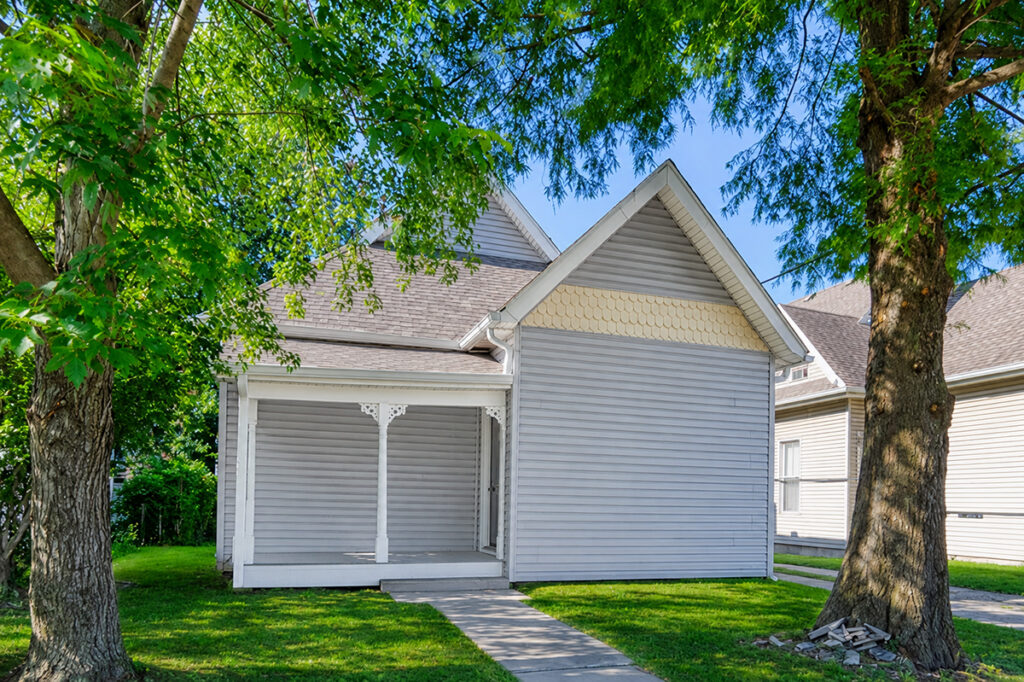
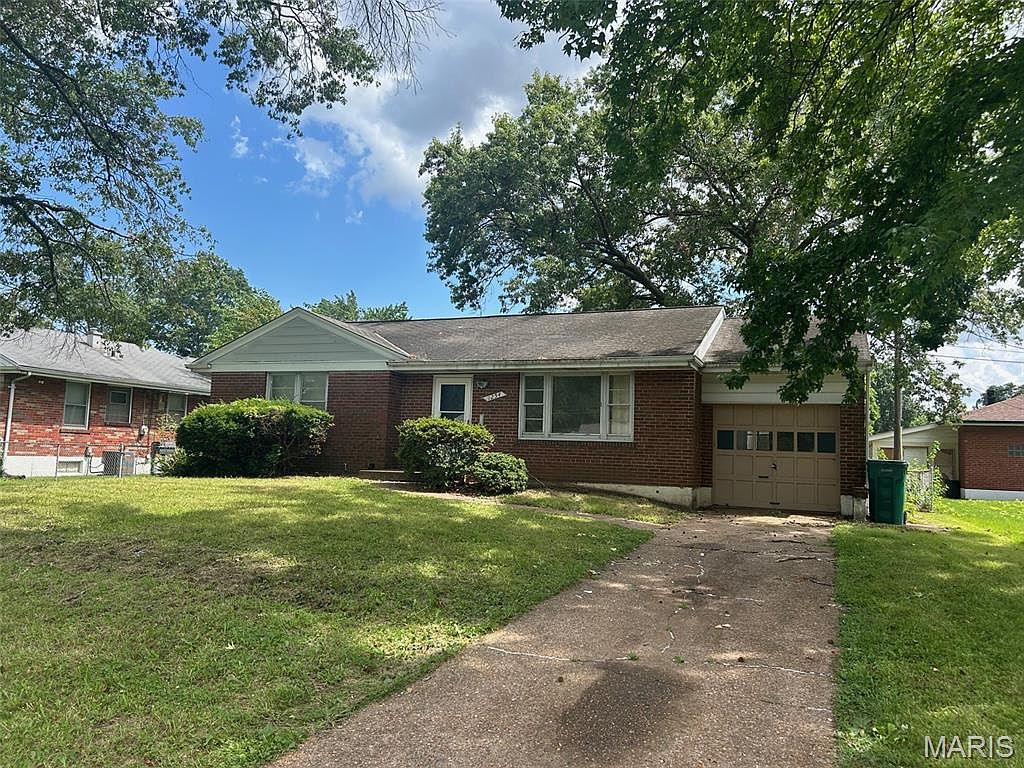
Saint Louis offers a budget‑friendly 4‑bed rental with a high cap rate, while Indianapolis provides a classic 2‑bed property with steady cash flow. Which Midwest market fits YOUR investment strategy?
We have much more inventory available than what you see on our website – Let us know about your requirement.
📈 Choose Your Winner & Contact Us Today!
Speak to a Norada Investment Counselor (No Obligation):
(800) 611-3060
Also Read:
- Top 10 Housing Markets Set to Deliver High ROI in 2026
- Top 10 Most Popular Housing Markets of 2025 for Homebuyers
- Will Real Estate Rebound in 2026: Top Predictions by Experts
- Housing Market Predictions for the Next 4 Years: 2026, 2027, 2028, 2029
- Housing Market Predictions for 2026 Show a Modest Price Rise of 1.2%
- Housing Market Predictions 2026 for Buyers, Sellers, and Renters
- 12 Housing Markets Set for Double-Digit Price Decline by Early 2026
- Real Estate Forecast: Will Home Prices Bottom Out in 2025?
- Housing Markets With the Biggest Decline in Home Prices Since 2024
- Why Real Estate Can Thrive During Tariffs Led Economic Uncertainty
- Rise of AI-Powered Hyperlocal Real Estate Marketing in 2025
- Real Estate Forecast Next 5 Years: Top 5 Predictions for Future
- 5 Hottest Real Estate Markets for Buyers & Investors in 2025