If you're thinking about buying a home or refinancing, you're probably wondering about today's mortgage rates for June 18. The good news is that for fixed-rate loans, rates are nudging a little lower this week! Specifically, the average rate for a 30-year fixed loan dropped to 6.24%, the 20-year fixed is now at 6.01%, and the 15-year fixed is sitting at 5.72%. This is a welcome little dip, though it's important to remember these are averages, and your personal rate might be a bit different.
Today's Mortgage Rates, June 18: Fixed Loans Drop, Adjustable Rates Stay Mixed
It feels like just yesterday we were talking about super low mortgage rates, right? I've been following the housing market for years, and I remember when getting a rate under 3% felt like finding a unicorn. Now, things are a bit different, and understanding where rates are today and what might happen next is key to making smart decisions about your home.
What Are Today's Mortgage Rates Like?
Let's break down what the numbers look like right now, according to Zillow data for June 18, 2026:
| Loan Type | Average Rate |
|---|---|
| 30-year fixed | 6.24% |
| 20-year fixed | 6.01% |
| 15-year fixed | 5.72% |
| 5/1 ARM | 6.31% |
| 7/1 ARM | 6.03% |
| 30-year VA | 5.74% |
| 15-year VA | 5.28% |
| 5/1 VA | 5.50% |
(Note: These rates are for purchase loans and are averages. Your actual rate can depend on your credit score, down payment, and other factors.)
Fixed vs. Adjustable-Rate Mortgages: A Quick Look
You'll see different types of loans listed. Fixed-rate mortgages mean your interest rate stays the same for the whole life of the loan. Adjustable-rate mortgages (ARMs) have a rate that can change over time.
Right now, I'd be a little cautious about the 5/1 ARMs. They're actually costing a bit more than the 30-year fixed loans, which feels a bit backward! However, the 7/1 ARM is something to look at closely. It's currently lower than the 30-year fixed. The big idea with an ARM is that you get a lower rate for the first few years (that's the ‘5' or ‘7' in 5/1 or 7/1). If you plan to move or refinance before that initial period ends, it could save you money. But if you plan to stay put for a long time, locking in a fixed rate is usually the safer bet to avoid surprises when the rate adjusts.
How Do These Rates Affect Your Wallet?
Let's imagine you're looking at a $400,000 loan. Here's how the monthly payments (principal and interest only) stack up:
- 30-Year Fixed (6.24%): You'd be looking at about $2,460 per month.
- 15-Year Fixed (5.72%): This would be around $3,314 per month.
That's a difference of $854 per month if you choose the 30-year loan. However, over the life of the loan, the 15-year fixed saves you a whopping $388,719 in interest! It's a trade-off between a lower monthly payment now and significant savings in the long run.
What's Driving Today's Mortgage Rates?
Mortgage rates aren't just pulled out of thin air. They're influenced by a lot of things happening in the economy. Think of it like a big puzzle with many pieces.
The Big Picture for the Coming Year:
Experts who study the housing market, like those at Fannie Mae and the Mortgage Bankers Association, think rates will likely stay in the 6.1% to 6.5% range for the rest of the year. And looking further out, it seems like rates will probably stick between 6.0% and 6.5% for a few years. This tells me that the days of super-duper low rates are probably behind us for a while.
What Makes Rates Go Up (or Down):
The most important thing to remember is that mortgage rates don't just follow what the Federal Reserve does with their short-term rates. Instead, they're more closely tied to something called the 10-year Treasury yield. This yield is like a thermometer for how investors are feeling about the economy.
Stuff Pushing Rates Higher (These are the bigger forces right now):
- Inflation Won't Quit: Prices are going up faster than the Federal Reserve wants. When money loses its buying power, lenders try to charge more interest to make up for it over the long loan term.
- World Events: Sometimes, problems in other parts of the world, like conflicts that affect oil prices, can make everything more expensive and push inflation higher, which then pushes mortgage rates up too.
- The Fed's Tightrope Walk: Even though the Federal Reserve didn't raise its main interest rate recently, some people in the market think they might have to raise it later in the year because of inflation. This expectation can push mortgage rates up.
- Government Borrowing: The government borrows a lot of money, and when they issue a lot of bonds to do that, it can push up the yields on those bonds, which in turn pulls up mortgage rates.
What's Keeping Rates From Going Completely Crazy High?
- People Buying Less: With higher home prices and higher borrowing costs, fewer people are buying houses. This naturally puts a bit of a brake on how high lenders can push rates before the market just stops altogether.
What Should You Do With This Information?
Based on what experts are saying, like the National Association of Realtors, it's a good idea to stop waiting for rates to magically drop and start making plans based on what's happening now.
For People Wanting to Buy a Home:
- “Marry the House, Date the Rate”: This is a popular saying, and it's wise. If you find a house you love and can afford, it might be better to buy it now. Waiting for a lower rate is a gamble.
- Expect More Buyers Later: If rates do dip a bit in the future, a lot of people who have been waiting will rush back into the market. This could mean more competition and higher home prices, possibly canceling out any savings from a slightly lower rate.
- Think About Hybrid ARMs: Like the 7/1 ARM, these can offer a lower starting rate. If you think you might sell or refinance in a few years, it could be a smart way to get into a home now and potentially save money initially.
- Ask About “Buying Down” the Rate: You can sometimes negotiate with the seller to help you pay for a lower interest rate at closing. It's like an upfront payment to save on interest later.
For People Who Already Own a Home:
- Protect Your Low Rate: If you got lucky and have a super low rate from a few years ago, hold onto it! If you need cash for renovations, consider a home equity line of credit (HELOC) or a second mortgage instead of refinancing your main mortgage, which would mean giving up that great low rate.
- Get Ready to Refinance Later: Keep your credit score in great shape (aim for 740 or higher) and pay down other debts as much as you can. This will put you in the best position to refinance if rates take a dip below 6% in the future.
The housing market is always changing, and today's mortgage rates for June 18 are just one piece of the puzzle. But by understanding what's going on, you can make the best choices for your own homeownership journey.
VS
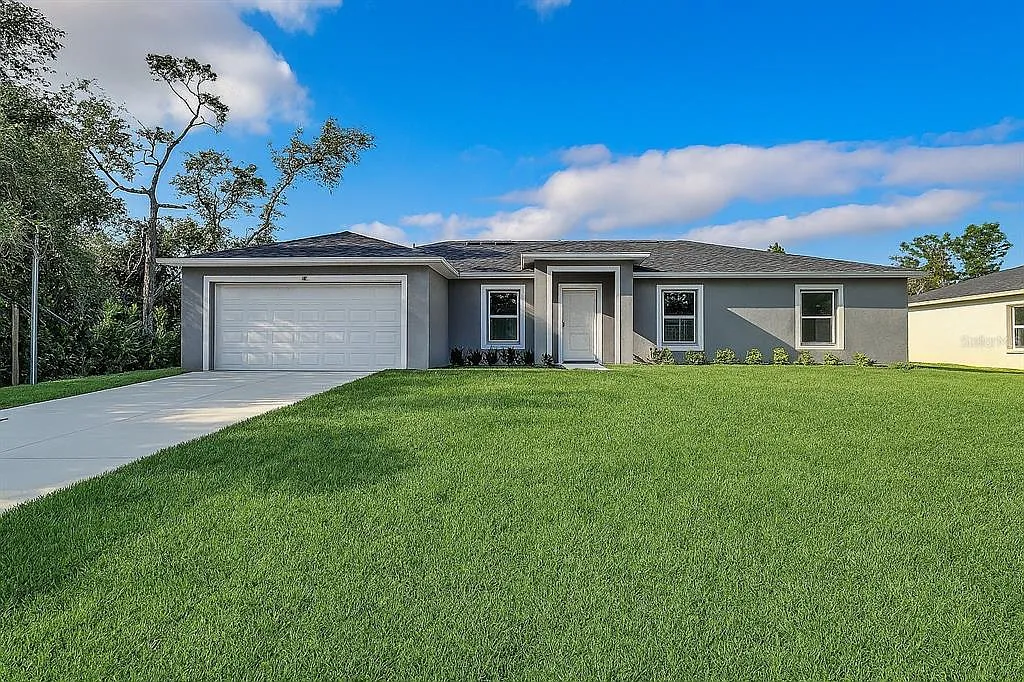
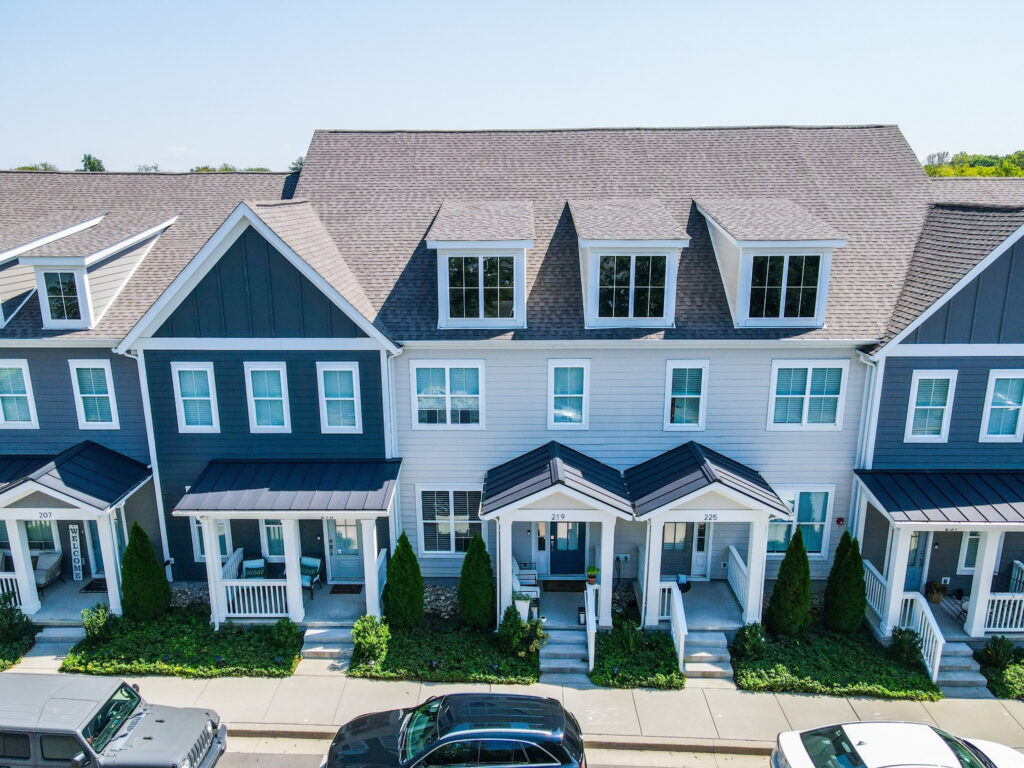
Out‑of‑State investors can compare Tennessee’s newer rental with higher NOI vs Florida’s A+ property with strong yield. Which fits YOUR investment strategy?
We have much more inventory available than what you see on our website – Let us know about your requirement.
📈 Choose Your Winner & Contact Us Today!
Speak to a Norada Investment Counselor (No Obligation):
(800) 611-3060
Mortgage rates remain high in 2026, but rental properties continue to deliver strong cash flow and appreciation. Savvy investors know that turnkey real estate is the path to passive income and long‑term wealth.
Norada Real Estate helps you secure turnkey rental properties designed for immediate cash flow and appreciation—so you can invest smartly regardless of interest rate trends.
Also Read:
- Mortgage Rates Predictions Backed by 7 Leading Experts: 2025–2026
- Mortgage Rate Predictions for the Next 3 Years: 2026, 2027, 2028
- 30-Year Fixed Mortgage Rate Forecast for the Next 5 Years
- 15-Year Fixed Mortgage Rate Predictions for Next 5 Years: 2025-2029
- Will Mortgage Rates Ever Be 3% Again in the Future?
- Mortgage Rates Predictions for Next 2 Years
- Mortgage Rate Predictions for Next 5 Years
- Mortgage Rate Predictions: Why 2% and 3% Rates are Out of Reach
- How Lower Mortgage Rates Can Save You Thousands?
- How to Get a Low Mortgage Interest Rate?
- Will Mortgage Rates Ever Be 4% Again?