If you're thinking about buying a home or refinancing your current mortgage, you'll be happy to know that today, June 22, mortgage rates are showing a slight dip, offering a bit of breathing room for potential homebuyers and homeowners alike. According to the latest data from Zillow, the 30-year fixed-rate purchase loan has fallen to 6.42%, a welcome change from recent trends.
Today's Mortgage Rates, June 22: Fixed Rates Drop, Offering Buyers Slight Relief
What the Numbers Are Saying Today
Let's break down what Zillow's data is telling us for today, Monday, June 22, 2026. It's important to remember that these are averages, and your actual rate might be a little different depending on your personal situation and the lender you choose.
Here’s a look at some of the key rates:
- 30-year fixed: 6.42% (This is the most common type of mortgage, offering a stable payment for three decades.)
- 20-year fixed: 6.14% (A good middle ground if you want to pay off your home faster than a 30-year but have lower payments than a 15-year.)
- 15-year fixed: 5.79% (This option means higher monthly payments but you’ll pay significantly less interest over the life of the loan.)
- 5/1 ARM: 6.70% (An Adjustable-Rate Mortgage where the rate is fixed for the first five years, then adjusts annually.)
- 7/1 ARM: 6.27% (Similar to the 5/1 ARM, but the initial fixed period is seven years.)
- 30-year VA: 5.88% (For eligible veterans and service members, often with no down payment required.)
- 15-year VA: 5.54% (A shorter-term VA loan option.)
- 5/1 VA: 5.57% (An adjustable-rate VA loan with a 5-year fixed period.)
You'll notice that the 30-year fixed-rate purchase loan is 6.42%, which is actually 12 basis points higher than the current 30-year refinance rate. This is a common scenario – often, refinancing your existing mortgage can get you a slightly better rate than taking out a brand-new loan.
For those looking at shorter loan terms, the 15-year fixed-rate purchase loan has dropped to 5.79%. This is a healthy decrease, falling by 8 basis points today. It's also 8 basis points lower than the average 15-year refinance rate, which is interesting to see.
On the flip side, the 5/1 ARM purchase rate has nudged up by 24 basis points to 6.70%. This is a bit of a jump and highlights how different loan types can move independently.
Why Are Rates Moving Today? The Hidden Factors
It’s easy to just look at the numbers, but what’s actually causing these shifts? As a rule of thumb, mortgage rates tend to follow the 10-year Treasury yield. When that yield goes up, mortgage rates often follow suit, and when it goes down, lenders might have room to lower their rates. Today, the 10-year Treasury yield has been hovering in the mid-4% range, which is helping to keep mortgage rates somewhat anchored.
Beyond the big economic indicators, there are a lot of other things that play a role:
- Bond Market Mood: Mortgage-backed securities (MBS) are essentially bundles of mortgages that are bought and sold by investors. The prices of these MBS directly influence mortgage rates. If MBS prices are high, rates tend to be lower, and vice versa.
- Lender Competition: Just like any business, mortgage lenders are trying to get your business. They’ll adjust their pricing based on how much competition they're facing in your area.
- Costs of Doing Business: Lenders have their own expenses – think staff, technology, and keeping the lights on. These costs can sometimes influence the rates they offer.
- Risk Appetite: Lenders also assess risk. If they feel the market is riskier, they might charge more for loans.
It’s this intricate dance of factors that makes it so important to shop around. You might get a noticeably different quote from one lender to another, even on the same day, for the exact same loan.
The Short-Term Trend: Modest Easing
Looking at the past week, the trend has been one of modest easing. Neither dramatically up nor dramatically down, just a gentle step back. This suggests that the market is taking a bit of a breather.
Freddie Mac, a major player in the housing finance system, has noted in their weekly reports that incoming data continues to show a resilient consumer. That means people are still spending, and retail sales are looking good. Pending home sales are also strengthening, which is a positive sign for demand. This is encouraging because it means that even though rates are still higher than what we saw a few years ago, people are still finding ways to buy homes.
Deciphering the 15-Year vs. 30-Year Mortgage
A question I get asked a lot is about the difference between a 15-year and a 30-year fixed mortgage. It's a big decision, and understanding the trade-offs is key to choosing what’s right for you.
Here’s a simple breakdown:
- Monthly Payment: A 15-year mortgage will have a higher monthly payment because you’re paying off the same amount of money in half the time. A 30-year mortgage spreads those payments out, making the monthly bill more manageable.
- Interest Rate: Generally, 15-year fixed rates are lower than 30-year fixed rates. This is because lenders see them as less risky since the loan will be paid off sooner.
- Total Interest Paid: This is where the 15-year really shines. Because you’re paying off the loan faster and usually at a lower interest rate, you’ll save a significant amount on total interest over the life of the loan with a 15-year mortgage.
- Flexibility: If keeping your monthly expenses low is a top priority, the 30-year mortgage offers more breathing room. This extra cash flow can be used for other financial goals, like saving for retirement or investing.
Think of it this way:
- 15-year fixed: You pay more each month, but you build equity faster and pay a lot less interest overall.
- 30-year fixed: You pay less each month, giving you more flexibility, but you’ll end up paying more in interest by the time the loan is repaid.
My two cents? If your budget comfortably allows for the higher monthly payments of a 15-year loan, it’s often a financially smart move. You'll be mortgage-free sooner and save a bundle on interest. However, if that higher payment would strain your finances, a 30-year loan can be a perfectly good option, especially if you plan to make extra payments when you can.
What to Keep Your Eye On Next
Looking ahead, mortgage rates are likely to remain sensitive to movements in the Treasury market. Any significant shifts in inflation and growth data will also be closely watched. The bond market's interpretation of these releases will have a ripple effect on mortgage pricing. If Treasury yields climb, we’ll likely see upward pressure on mortgage rates. Conversely, if yields soften, lenders might have more leeway to offer lower rates.
So, while today's rates offer a bit of good news, it’s always wise to stay informed and be ready to act when the conditions are right for you.
VS
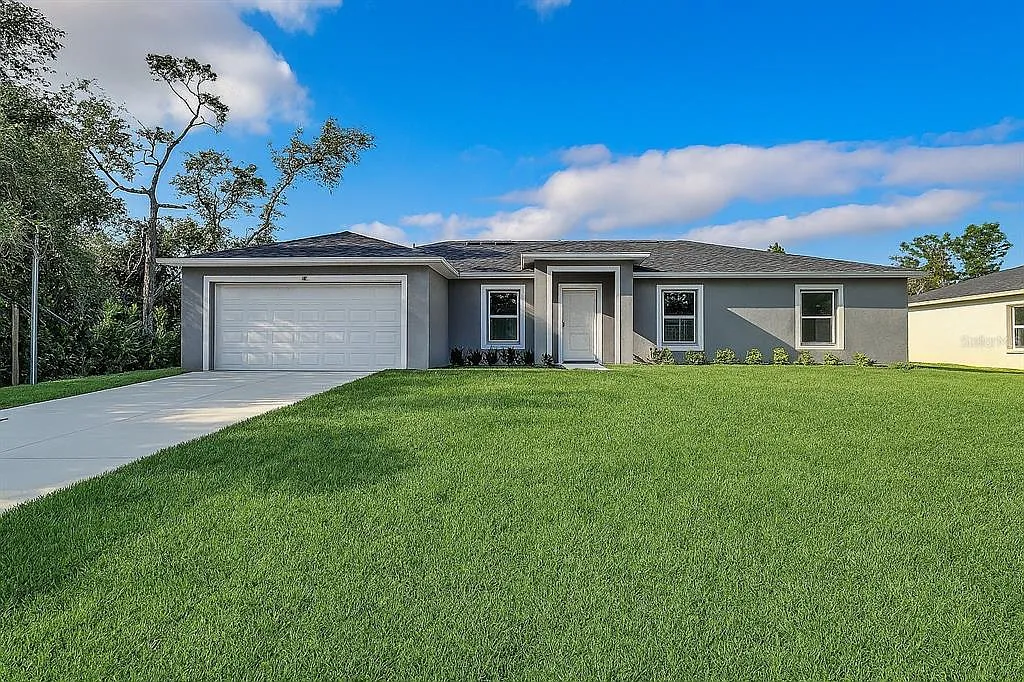
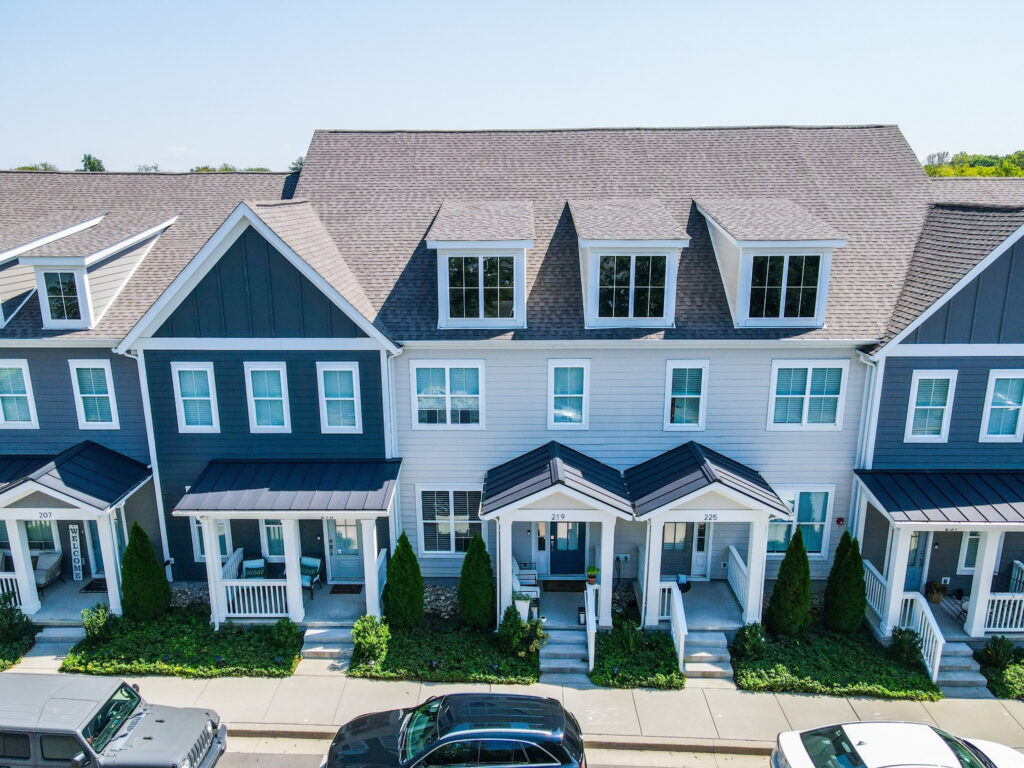
Out‑of‑State investors can compare Tennessee’s newer rental with higher NOI vs Florida’s A+ property with strong yield. Which fits YOUR investment strategy?
We have much more inventory available than what you see on our website – Let us know about your requirement.
📈 Choose Your Winner & Contact Us Today!
Speak to a Norada Investment Counselor (No Obligation):
(800) 611-3060
Mortgage rates remain high in 2026, but rental properties continue to deliver strong cash flow and appreciation. Savvy investors know that turnkey real estate is the path to passive income and long‑term wealth.
Norada Real Estate helps you secure turnkey rental properties designed for immediate cash flow and appreciation—so you can invest smartly regardless of interest rate trends.
Also Read:
- Mortgage Rates Predictions Backed by 7 Leading Experts: 2025–2026
- Mortgage Rate Predictions for the Next 3 Years: 2026, 2027, 2028
- 30-Year Fixed Mortgage Rate Forecast for the Next 5 Years
- 15-Year Fixed Mortgage Rate Predictions for Next 5 Years: 2025-2029
- Will Mortgage Rates Ever Be 3% Again in the Future?
- Mortgage Rates Predictions for Next 2 Years
- Mortgage Rate Predictions for Next 5 Years
- Mortgage Rate Predictions: Why 2% and 3% Rates are Out of Reach
- How Lower Mortgage Rates Can Save You Thousands?
- How to Get a Low Mortgage Interest Rate?
- Will Mortgage Rates Ever Be 4% Again?



