
Trying to keep up with mortgage rates can feel like a challenge, but today, June 25, 2026, brings some interesting shifts. According to Zillow's latest data, the 30-year fixed mortgage rate has dipped to 6.33%, a welcome 10-basis-point decrease. For those considering a shorter-term loan, the 15-year fixed rate also saw a decline, now sitting at 5.80%. Even the 5/1 Adjustable Rate Mortgage (ARM) has moved lower, dropping 19 basis points to 6.37%. These movements suggest a market that's not necessarily plummeting, but definitely showing signs of easing, offering a bit more breathing room for potential homebuyers.
Today's Mortgage Rates, June 25: 30‑Year Rate Dips to 6.33% Offering Relief for Buyers
It's no secret that mortgage rates can seem a bit unpredictable. Daily averages often dance around based on the specific tracking index and the fees each lender tacks on. However, when we look at the national averages, a clearer picture emerges. Today, most of the headline rates are hovering in the mid-6% range. This is actually a positive sign, as these rates are generally more than 30 basis points lower than they were at this exact time last year. This can translate to significant savings over the life of a loan, a point worth celebrating for anyone in the market for a new home or looking to refinance.
Current Mortgage Rate Snapshot (June 25, 2026)
To make things easy, here's a quick look at the numbers directly from Zillow:
| Loan Type | Rate |
|---|---|
| 30-Year Fixed | 6.33% |
| 20-Year Fixed | 6.31% |
| 15-Year Fixed | 5.80% |
| 5/1 ARM | 6.37% |
| 7/1 ARM | 6.58% |
| 30-Year VA | 5.84% |
| 15-Year VA | 5.53% |
| 5/1 VA | 5.83% |
Source: Zillow
It's important to note that these are national averages. Your specific rate will depend on many factors, including your credit score, down payment, and the lender you choose. However, these figures give us a solid benchmark for where the market stands today.
Short-Term Trends: Cautiously Stable with Mild Swings
The short-term trend for mortgage rates is best described as cautiously stable, with some mild weekly fluctuations. We saw rates dip a bit more in mid-June, partly due to some positive news on global trade routes and energy markets, which helped push the Freddie Mac Survey average down to 6.47%. However, in the last 48 hours, we've seen daily rates creep up by a few basis points. This slight uptick is likely investors digesting upcoming domestic inflation data. My take? Most housing economists are forecasting that rates will likely continue to hover in this 6% range for the near future, rather than experiencing any dramatic plunges.
What's Pulling the Strings? Key Factors Influencing Lender Pricing
Several forces are at play behind the scenes, influencing how lenders price their mortgages. Understanding these can help you better anticipate rate movements.
- The 10-Year Treasury Yield: This is a big one. Mortgage rates tend to track the yield on the 10-year Treasury bond quite closely, rather than the Federal Reserve's short-term benchmark rates. Right now, the 10-year Treasury yield is hovering near 4.49%, and as it goes, so do mortgage rates, pulling them upward.
- Inflation Dynamics and the Fed: Inflation is a constant concern, and today's Consumer Price Index (CPI) data showed a recent spike to 4.2%. When inflation rises, it erodes the purchasing power of future money. To compensate for this, lenders often price mortgages higher to protect their expected returns. The Federal Reserve recently decided to keep interest rates steady, but their commentary leaned a bit more hawkish. This signals that if inflation continues to be stubborn, future rate hikes aren't completely off the table, which can add a layer of uncertainty to the market.
- Energy Prices and Geopolitical Shifts: Believe it or not, mortgage rates have been quite sensitive to the global energy market. News of a tentative U.S.-Iran peace framework recently helped reopen key shipping lanes, leading to a slide in oil prices. This reduction in energy costs eased some inflationary pressure, which in turn helped prevent mortgage rates from climbing closer to the 7% mark. It’s a good reminder of how interconnected our global economy is.
- Economic Resilience: On the home front, the U.S. economy has shown surprising strength. Consumer spending, retail sales, and pending home sales have all remained robust. A strong economy generally keeps bond yields higher, which, as we discussed, puts upward pressure on mortgage rates and prevents them from dropping significantly.
My Two Cents: What This Means for You
As someone who's been following the housing market for a while, I see today's rates as a mixed bag, but leaning towards positive for borrowers. The fact that the 30-year fixed rate has dipped below 6.40% is encouraging. While we're not in the super-low rate environment of a few years ago, the current rates are still quite attractive compared to historical averages.
If you're looking to buy, the slight dip today might be the nudge you need to act. It’s always wise to get pre-approved to understand exactly what you can afford and to lock in a rate if you find a home you love. For homeowners considering a refinance, it’s worth exploring if today's rates offer a compelling reason to shorten your loan term or tap into some equity.
However, don't get too caught up in chasing the absolute lowest daily rate. Rates will continue to fluctuate. Focus on your overall financial picture and what makes sense for your long-term goals. Remember, a slightly higher rate might be acceptable if it comes with a property that perfectly fits your needs or a loan program that offers more flexibility.
Looking Ahead
The coming weeks will likely see continued attention on inflation data and any shifts in global economic or geopolitical events. While a dramatic plunge in rates seems unlikely in the immediate future, the current stability in the mid-6% range offers a predictable environment for many. My advice? Stay informed, work with a trusted lender, and make your decisions based on your personal circumstances and long-term financial strategy.
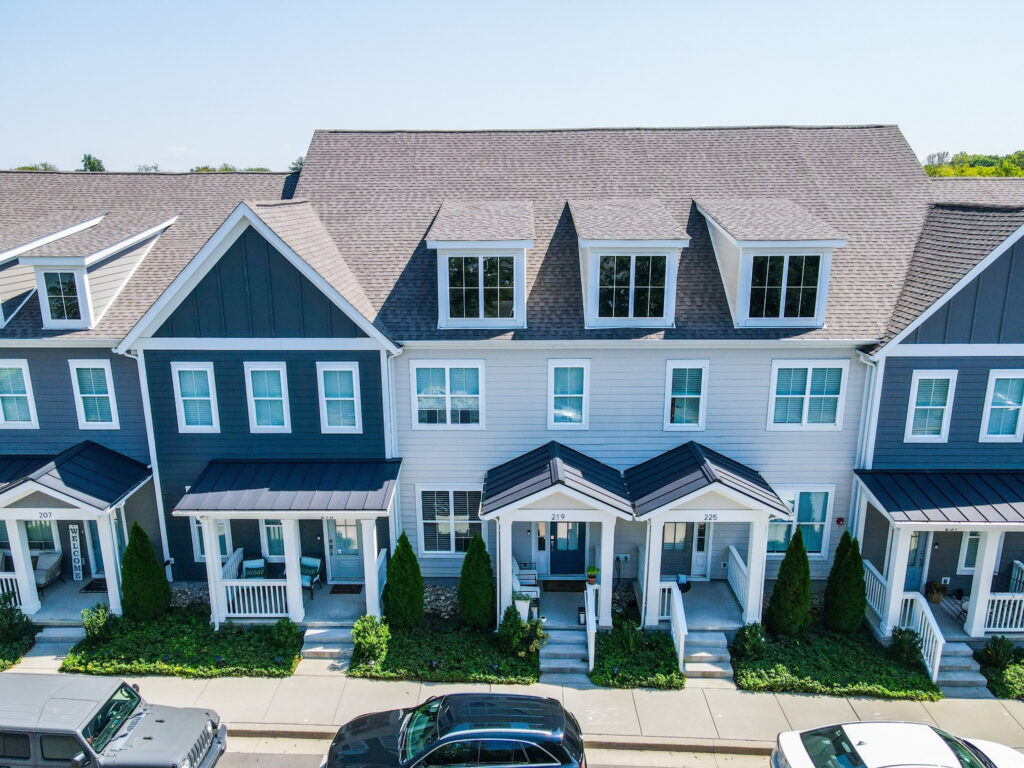
VS
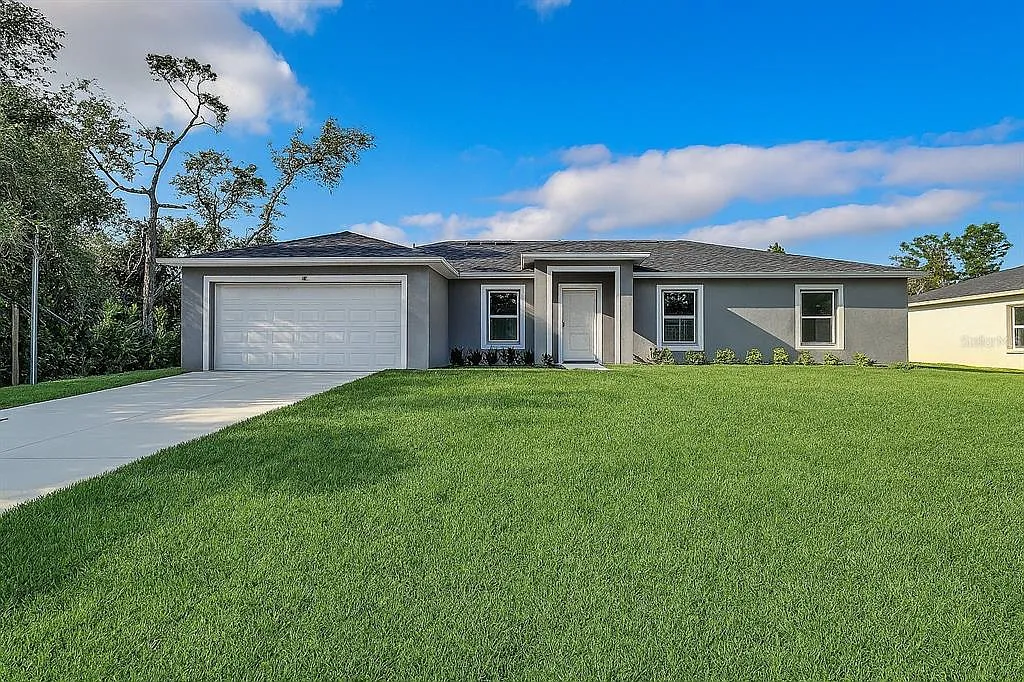
Out‑of‑State investors can compare Tennessee’s newer rental with higher NOI vs Florida’s A+ property with strong yield. Which fits YOUR investment strategy?
We have much more inventory available than what you see on our website – Let us know about your requirement.
📈 Choose Your Winner & Contact Us Today!
Speak to a Norada Investment Counselor (No Obligation):
(800) 611-3060
Mortgage rates remain high in 2026, but rental properties continue to deliver strong cash flow and appreciation. Savvy investors know that turnkey real estate is the path to passive income and long‑term wealth.
Norada Real Estate helps you secure turnkey rental properties designed for immediate cash flow and appreciation—so you can invest smartly regardless of interest rate trends.
Also Read:
- Mortgage Rates Predictions Backed by 7 Leading Experts: 2025–2026
- Mortgage Rate Predictions for the Next 3 Years: 2026, 2027, 2028
- 30-Year Fixed Mortgage Rate Forecast for the Next 5 Years
- 15-Year Fixed Mortgage Rate Predictions for Next 5 Years: 2025-2029
- Will Mortgage Rates Ever Be 3% Again in the Future?
- Mortgage Rates Predictions for Next 2 Years
- Mortgage Rate Predictions for Next 5 Years
- Mortgage Rate Predictions: Why 2% and 3% Rates are Out of Reach
- How Lower Mortgage Rates Can Save You Thousands?
- How to Get a Low Mortgage Interest Rate?
- Will Mortgage Rates Ever Be 4% Again?