On Tuesday, September 1, 2026, the national average 30-year fixed refinance rate dropped by 8 basis points, settling at 7.05%. This is a welcome shift from the previous average of 7.13%, and it's the kind of news that makes me, as someone who's spent years looking at these numbers, sit up and pay attention.
It might seem like a small change, just 0.08%, but when you're talking about a mortgage that lasts 30 years, even tiny decreases can add up to significant savings over time. I've seen firsthand how a few tenths of a percent can impact monthly payments, and that's why I always encourage people to keep an eye on these trends, even when things seem a little uncertain.
Mortgage Rates Today, Sept 1, 2026: 30-Year Refinance Rate Drops by 8 Basis Points
What's Happening with Mortgage Rates Right Now?
So, why did this drop happen? Well, as Zillow reported, the 30-year fixed refinance rate is now at 7.05%. This is a bit of a mixed bag, though. While it's lower than yesterday, it's actually up by 8 basis points compared to the average rate we saw last week, which was sitting at a slightly lower 6.97%. This tells me the market is still a little jumpy.
It's not just the 30-year loans that are moving. The 15-year fixed refinance rate has seen a small increase, nudging up by 4 basis points from 6.11% to 6.15%. And if you're looking at adjustable-rate mortgages (ARMs), the 5-year ARM refinance rate is currently holding steady at 6.25%.
Here's a quick snapshot of the numbers from Zillow:
| Loan Type | Rate (Sept 1, 2026) | Change from Previous Day | Change from Previous Week |
|---|---|---|---|
| 30-Year Fixed Refinance | 7.05% | -8 basis points | +8 basis points |
| 15-Year Fixed Refinance | 6.15% | +4 basis points | (Data not provided) |
| 5-Year ARM Refinance | 6.25% | (Data not provided) | (Data not provided) |
Why the Ups and Downs? The Big Picture Stuff
When I look at why mortgage rates are doing what they're doing, I always think about the big economic forces at play. It's rarely just one thing. Right now, there are a few major drivers pushing and pulling on the fixed mortgage market.
1. Geopolitical Wildcards: Honestly, this is the biggest one for me. Right now, tensions in the Middle East are causing a lot of uncertainty. When there's global instability, money tends to move around differently. Investors often look for “safe havens” for their money, and sometimes that means pulling back from riskier investments, which can affect bond yields and, in turn, mortgage rates. We've even seen oil prices jump to around $86 a barrel because of these situations, and that can ripple through the economy and impact borrowing costs.
2. Bond Yields and Commodity Pressures: This is a bit more technical, but it's super important. The 10-year Treasury yield is like the main guidepost for those 30-year fixed mortgages. When that yield goes up, mortgage rates usually follow. We've seen that yield recently tick up to 4.74%. Combine that with those rising oil prices, and you've got forces pushing borrowing costs higher, making it harder for rates to drop.
3. The Federal Reserve's Stance: The folks at the Federal Reserve have a big say in interest rates. Lately, Fed Chair Kevin Warsh has been pretty clear about his focus on fighting inflation. His approach, and how he communicates with the public, can make markets nervous. Whether the Fed decides to keep interest rates where they are or even raise them, the current uncertainty about their next move is definitely making things more unpredictable.
What This Means for You: Smart Refinancing Moves
If you're thinking about refinancing your mortgage right now, or even if you've got a loan you're happy with, it's smart to understand what these rate movements mean for your situation. I always tell people to think strategically.
The “Break-Even” Point is Key: With average 30-year refinance rates hovering around 7%, a simple rate-and-term refinance only really makes financial sense if your current mortgage rate is higher, like 7.25% or 7.5%. You need to do the math! Add up all the closing costs for the refinance. Then, figure out how much your monthly payment will go down. Does that monthly saving add up quickly enough to cover those closing costs before you might consider selling or moving? If it takes you five years to break even, it might not be worth it.
The Rate Lock Dilemma: Trying to perfectly time the lowest possible rate is a risky game. I've seen people wait too long, only to see rates jump back up. If you find a rate today that genuinely lowers your monthly payment, and you've done your break-even calculation and it works, it might be smarter to lock it in rather than waiting for a potential drop that might never come. Those geopolitical events I mentioned can cause rates to spike quickly.
Think About Home Equity Alternatives: This is a big one if you have a fantastic, low-interest rate on your current mortgage (like 3% or 4%). You absolutely do not want to refinance that primary mortgage and lose that low rate just to pull out some cash for renovations or other expenses. Instead, explore a Home Equity Line of Credit (HELOC) or a standalone Home Equity Loan. These allow you to borrow against your home's value without touching your primo first mortgage.
Looking Ahead: What to Watch For
As I wrap this up, I want to remind you that mortgage rates are influenced by so many things, from global news to what the Fed decides to do next. The fact that the 30-year rate dropped today is a good sign for borrowers, but it's important to remember it's just one day.
My advice? Stay informed. Keep an eye on the economic news, understand your own financial goals, and talk to a trusted mortgage professional. They can help you crunch the numbers and figure out the best strategy for your unique situation. Don't just jump into refinancing without doing your homework!
VS
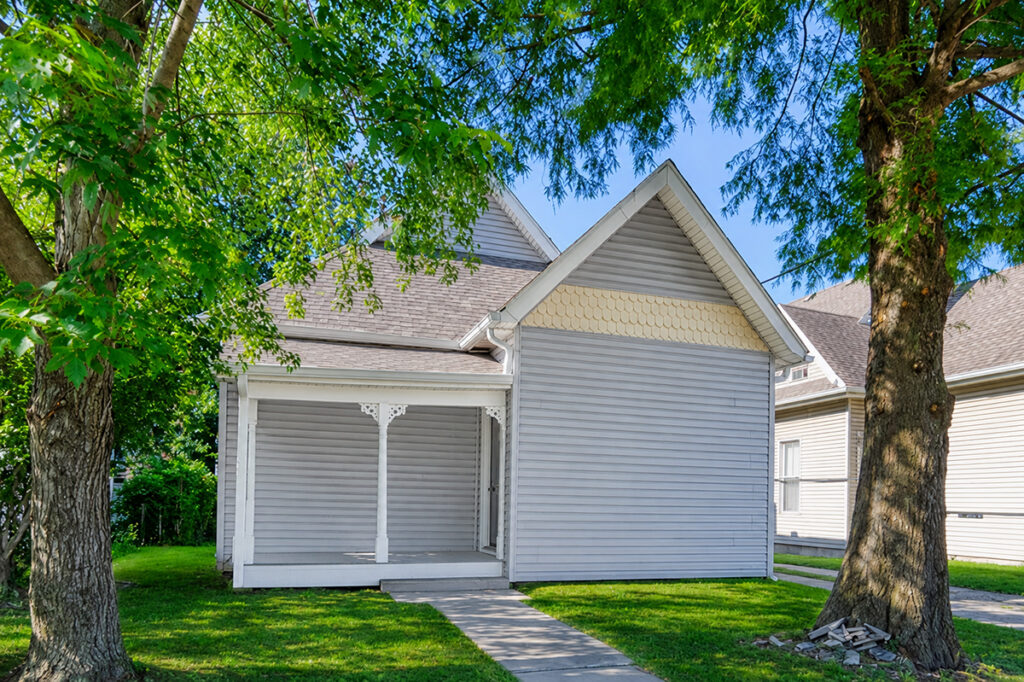
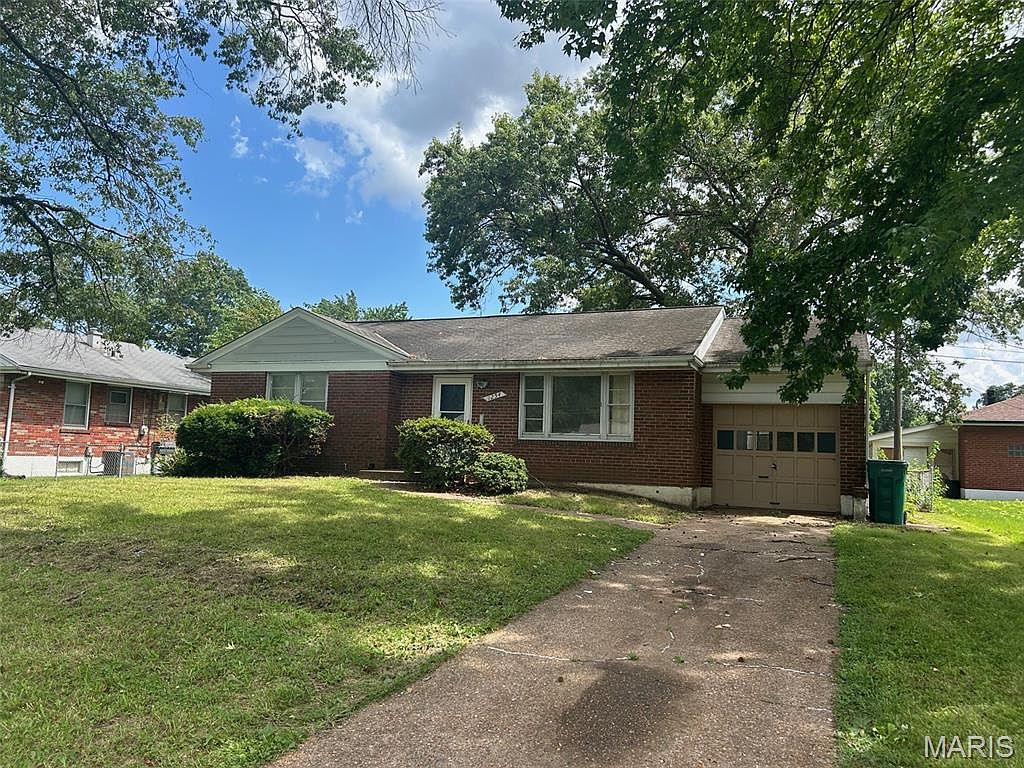
Saint Louis offers a budget‑friendly 4‑bed rental with a high cap rate, while Indianapolis provides a classic 2‑bed property with steady cash flow. Which Midwest market fits YOUR investment strategy?
We have much more inventory available than what you see on our website – Let us know about your requirement.
📈 Choose Your Winner & Contact Us Today!
Speak to a Norada Investment Counselor (No Obligation):
(800) 611-3060
Mortgage rates remain high in 2026, but rental properties continue to deliver strong cash flow and appreciation. Savvy investors know that turnkey real estate is the path to passive income and long‑term wealth.
Norada Real Estate helps you secure turnkey rental properties designed for immediate cash flow and appreciation—so you can invest smartly regardless of interest rate trends.
Also Read:
- Mortgage Rates Predictions Backed by 7 Leading Experts: 2025–2026
- Mortgage Rate Predictions for the Next 3 Years: 2026, 2027, 2028
- 30-Year Fixed Mortgage Rate Forecast for the Next 5 Years
- 15-Year Fixed Mortgage Rate Predictions for Next 5 Years: 2025-2029
- Will Mortgage Rates Ever Be 3% Again in the Future?
- Mortgage Rates Predictions for Next 2 Years
- Mortgage Rate Predictions for Next 5 Years
- Mortgage Rate Predictions: Why 2% and 3% Rates are Out of Reach
- How Lower Mortgage Rates Can Save You Thousands?
- How to Get a Low Mortgage Interest Rate?
- Will Mortgage Rates Ever Be 4% Again?