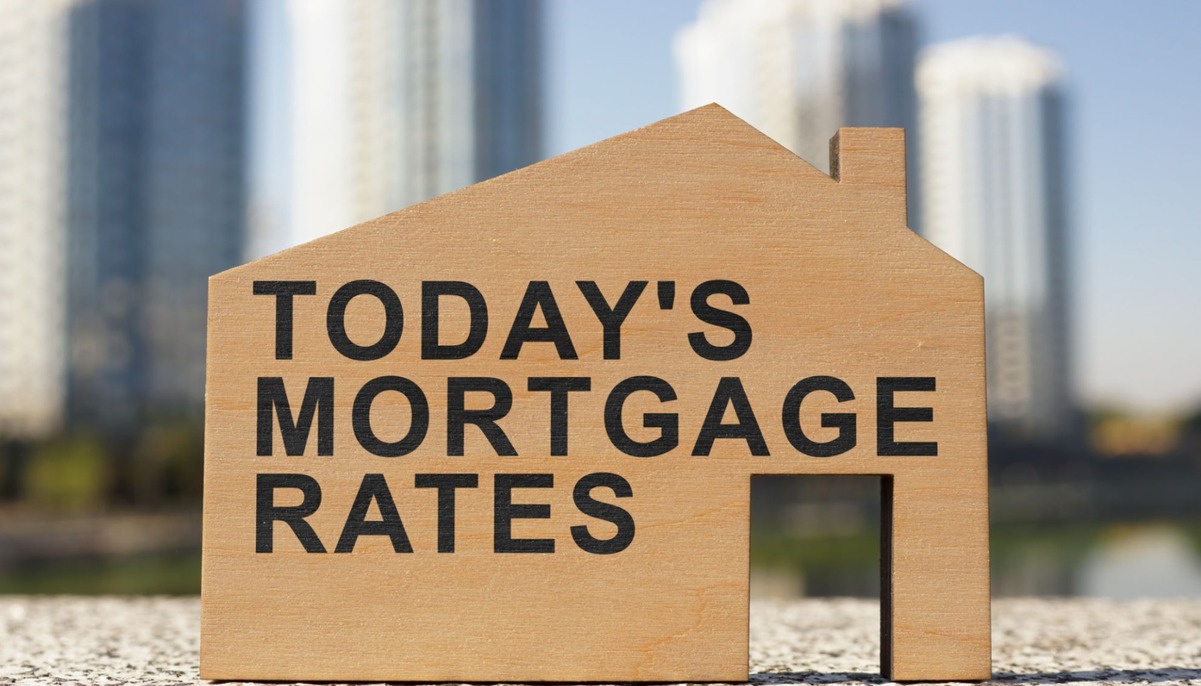
Today's mortgage rates, September 6, 2026, come with a warning from housing experts: rates could climb above 7% this fall. The 30-year fixed holds at 6.67%, up 12 basis points from last week, while the 15-year fixed sits at 6.04%. Persistent inflation and rising Treasury yields — now at their highest levels in over a year — are the main forces behind the more pessimistic outlook. Here's the full rate breakdown and what it means if you're planning to buy or refinance soon.
Today's Mortgage Rates, September 6: Experts Warn Rates Could Top 7% This Fall
Current Mortgage Rates on September 6, 2026
Here is a quick look at the main mortgage rates today, based on Zillow's information:
| Loan Type | Current Rate (Sept 6) |
|---|---|
| 30-year fixed | 6.67% |
| 20-year fixed | 6.66% |
| 15-year fixed | 6.04% |
| 5/1 ARM | 6.26% |
| 7/1 ARM | 6.53% |
| 30-year VA | 6.32% |
| 15-year VA | 5.91% |
| 5/1 VA | 5.93% |
Compared to a week ago, the 30-year fixed rate went up by 12 points, the 15-year fixed rate increased by 13 points, and the 5/1 ARM saw the biggest jump, up by 38 points. These are important changes to consider if you are thinking about a mortgage.
Where Mortgage Rates Are Headed
Experts believe mortgage rates will likely stay high or even go up more. Many housing experts think rates could go above 7% this fall. I have been following the market, and there are a few key reasons for this outlook:
- Inflation is Still a Problem: Prices for goods and services are still higher than what the Federal Reserve wants. When inflation stays high, the Federal Reserve tends to keep interest rates up to try and slow down the economy. This usually pushes mortgage rates higher. Officials at the central bank have said they still need to work on bringing inflation down, which makes the bond market expect higher rates for longer.
- Bond Market Jitters: Mortgage rates are closely tied to the 10-year U.S. Treasury bond yield. When bond yields go up, mortgage rates usually follow. Right now, there is a lot of government debt, and global energy prices are causing issues. These factors have pushed bond yields to their highest levels in over a year, pulling mortgage rates up with them.
- Long-Term Predictions: Big housing groups like Fannie Mae and large banks such as Wells Fargo have updated their predictions. They now expect rates to stay in the mid-to-high 6% range for the rest of 2026 and well into 2027. This means we should not expect a big drop in rates anytime soon.
What Borrowers Should Know Right Now
Given these rate trends, I have some thoughts on how you can make smart decisions about mortgages:
- Focus on the House, Not Just the Rate: If you find a home that fits your needs and budget for the long run, it might not be worth waiting for rates to drop significantly. Waiting could mean you miss out on that specific house or that house prices go up even more. You can always look into refinancing your loan later if rates come down. This is sometimes called “marrying the house and dating the rate.”
- Always Compare Offers: Many people pay more than they need to because they do not shop around for the best mortgage. I have seen data that shows borrowers can save thousands of dollars over the life of their loan by getting quotes from at least three different lenders. Do not just take the first offer you get. Compare and see who gives you the best deal, no matter what the national average rates are.
- Think Carefully About Adjustable-Rate Mortgages (ARMs): Right now, adjustable-rate mortgages (ARMs) have rates that are close to fixed rates. For example, some ARMs are in the mid-6% range. The problem with ARMs is that their interest rate can change after a few years, and it might go up, especially in an economy where rates are already high or expected to rise. Unless you plan to sell your home in the next few years, a fixed-rate loan might be safer because your monthly payment will stay the same. With an ARM, the small upfront savings might not be worth the risk of higher payments later.
My Conclusion
Rates are holding at multi-week highs, and with several forecasters now floating the possibility of a move above 7% this fall, waiting for relief carries real risk. If you've found a home that fits your budget, locking in now and revisiting a refinance later is a more reliable strategy than betting on a rate drop that may not come this year.
VS
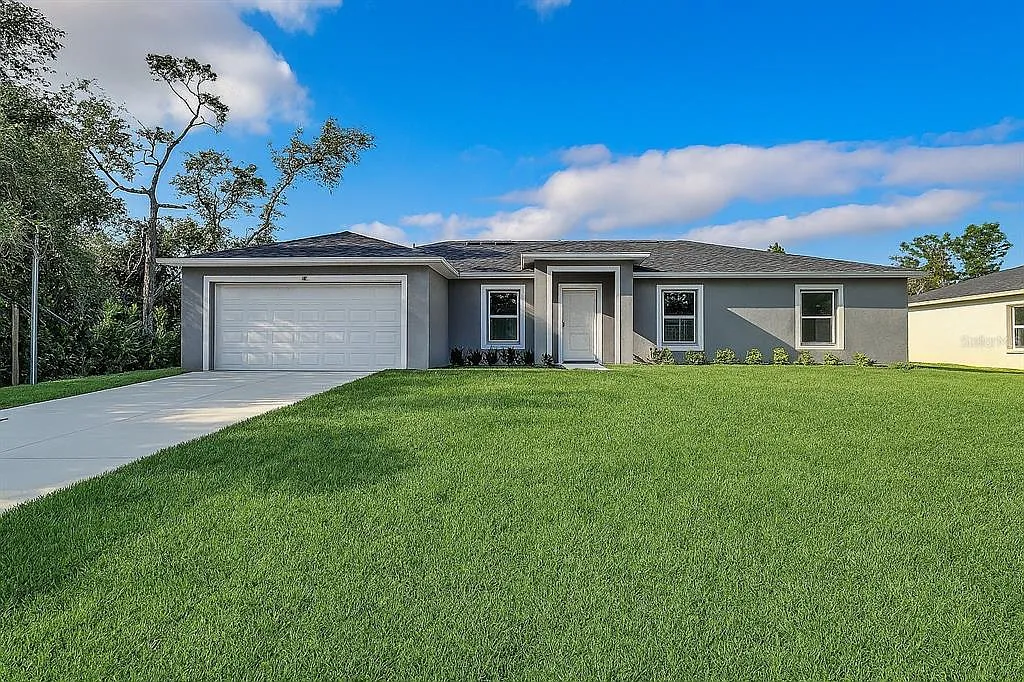
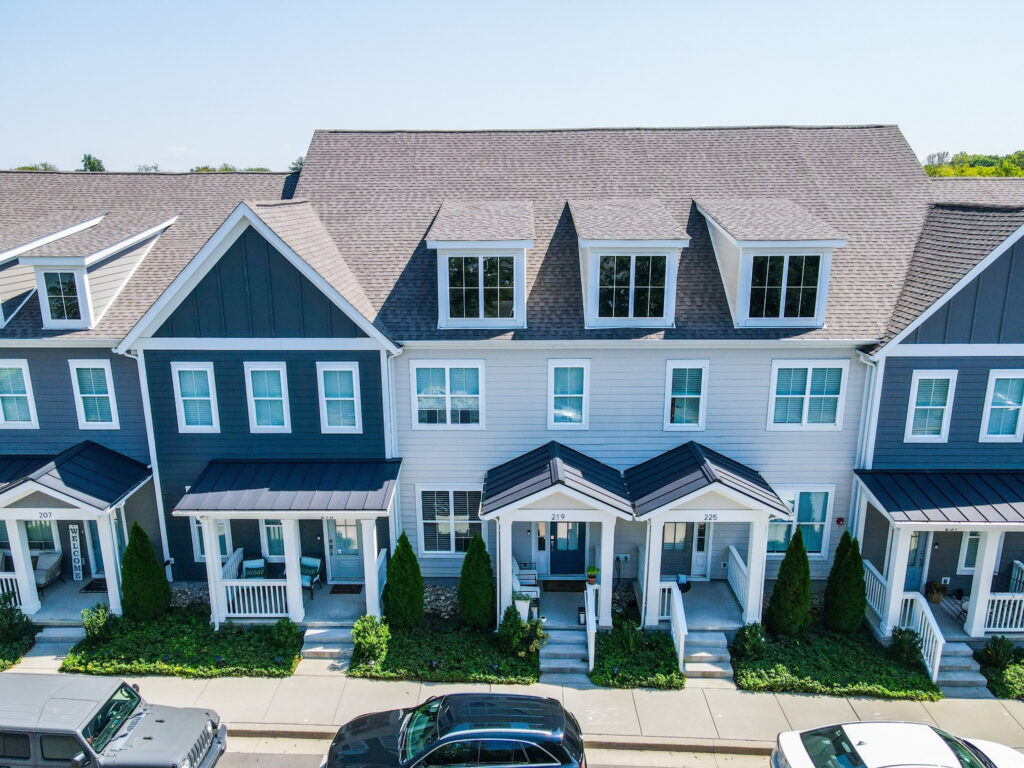
Out‑of‑State investors can compare Tennessee’s newer rental with higher NOI vs Florida’s A+ property with strong yield. Which fits YOUR investment strategy?
We have much more inventory available than what you see on our website – Let us know about your requirement.
📈 Choose Your Winner & Contact Us Today!
Speak to a Norada Investment Counselor (No Obligation):
(800) 611-3060
Mortgage rates remain high in 2026, but rental properties continue to deliver strong cash flow and appreciation. Savvy investors know that turnkey real estate is the path to passive income and long‑term wealth.
Norada Real Estate helps you secure turnkey rental properties designed for immediate cash flow and appreciation—so you can invest smartly regardless of interest rate trends.
Also Read:
- Mortgage Rates Predictions Backed by 7 Leading Experts: 2025–2026
- Mortgage Rate Predictions for the Next 3 Years: 2026, 2027, 2028
- 30-Year Fixed Mortgage Rate Forecast for the Next 5 Years
- 15-Year Fixed Mortgage Rate Predictions for Next 5 Years: 2025-2029
- Will Mortgage Rates Ever Be 3% Again in the Future?
- Mortgage Rates Predictions for Next 2 Years
- Mortgage Rate Predictions for Next 5 Years
- Mortgage Rate Predictions: Why 2% and 3% Rates are Out of Reach
- How Lower Mortgage Rates Can Save You Thousands?
- How to Get a Low Mortgage Interest Rate?
- Will Mortgage Rates Ever Be 4% Again?