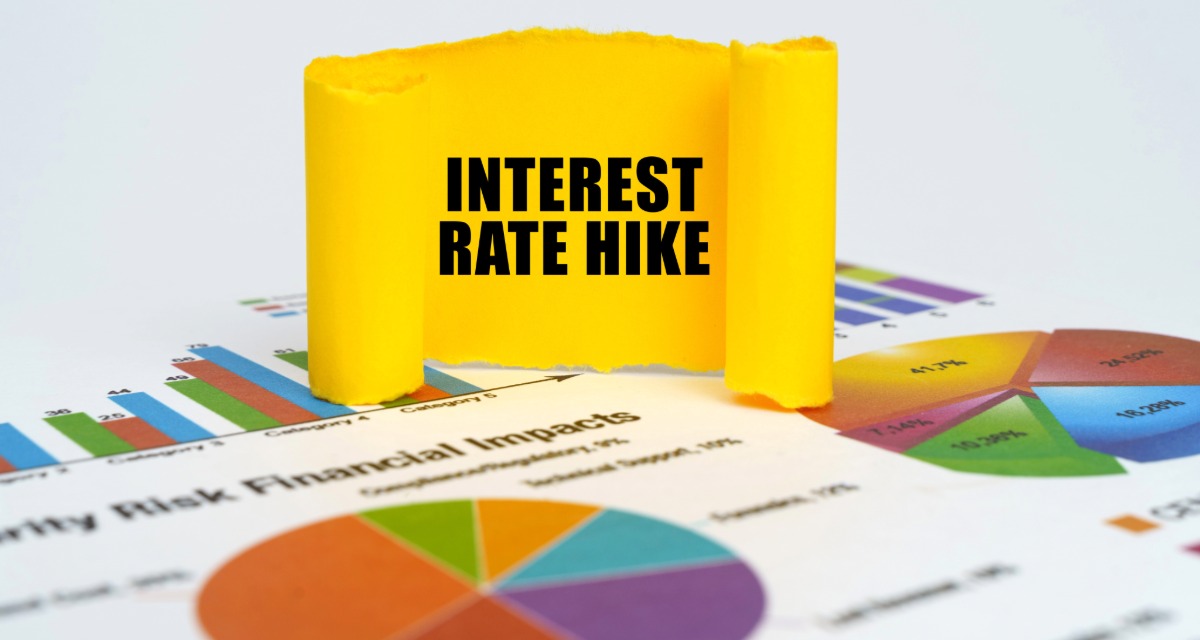
When the Federal Reserve decides to nudge interest rates up, it’s not just a headline you hear on the news; it directly impacts the money in your pocket, especially when it comes to credit cards and loans. Think of the Fed as the conductor of a big orchestra, and interest rates are the tempo. When they speed things up, everyone feels it. So, yes, a Fed rate hike means borrowing money will likely cost you more.
How Fed Rate Hikes Affect Your Wallet, Credit Cards, and Loans
It’s like this: the Fed sets a key interest rate, often called the “federal funds rate.” This is the rate banks charge each other to borrow money overnight. When this rate goes up, banks have to pay more to get their hands on cash. Naturally, they don't want to lose money, so they pass that extra cost onto us, the customers, through higher interest rates on everything from credit cards to car loans. I've seen this happen many times in my years of working with finances, and it’s always a bit of a shock when those monthly payments tick up.
Why Does the Fed Even Raise Rates?
Markets overwhelmingly expect the Federal Reserve to raise interest rates by a quarter of a percentage point at its meeting on Wednesday, September 16, 2026. Spurred by an August inflation report showing consumer prices climbing at a 3.4% annual pace, interest-rate futures are pricing in an approximate 90% probability of a hike to a new target range of 3.75% to 4.00%.
The main reason the Fed raises interest rates is to try and cool down the economy when things are heating up too fast, particularly when prices are going up quickly. This is called inflation. Imagine you're baking a cake, and you add too much sugar – it becomes too sweet. Inflation is kind of like that for the economy; prices get too high, and people's money doesn't stretch as far. So, the Fed raises rates to make borrowing money more expensive, which can slow down spending and, hopefully, bring prices back under control. It’s a delicate balancing act, and sometimes they get it just right, and sometimes it takes a few tries.
How a Fed Rate Hike Directly Impacts Your Credit Cards
This is where many people feel the pinch almost immediately. Credit card interest rates, also known as your Annual Percentage Rate (APR), are closely linked to something called the prime rate. And guess what? The prime rate moves almost exactly with the Fed's key interest rate.
So, if the Fed announces a quarter-point (0.25%) interest rate hike, you can pretty much bet that your credit card APR will jump up by the same amount. This usually happens within a month or two, after your next billing cycle.
- What this means for you:
- Your minimum monthly payment will likely go up.
- If you carry a balance from month to month, you'll pay more in interest. This means it will take longer and cost you more to pay off what you owe. It's like trying to bail out a leaky boat with a bigger hole – you're constantly playing catch-up.
I’ve had friends who were caught off guard by this. They’d been carrying a balance, thinking it wasn’t a big deal, and then suddenly their minimum payment jumped and the amount of interest they were paying shot up. It’s a good reminder that even small balances can become costly when rates rise.
Variable Loans and HELOCs: Feeling the Heat Quickly
If you have loans with variable interest rates, you’ll feel the effects of a Fed rate hike pretty darn fast.
- Home Equity Lines of Credit (HELOCs): These are like credit cards for your home, and their rates often change with the market. When the Fed raises rates, your HELOC payment will likely increase soon after.
- Variable Personal Loans: If you took out a personal loan with a rate that can change, a Fed hike means your monthly payments will go up.
These aren't small changes either. A slight increase in your monthly payment for a big loan can add up to hundreds of dollars over time. It’s crucial to understand if your loan is variable-rate.
Auto Loans: The Cost of Getting Around Goes Up
Buying a car is a big purchase for most people, and it often involves a loan. While fixed-rate car loans are more common, the rates on new auto loans tend to follow what’s happening with short-term government borrowing costs, which are very sensitive to what the Fed does.
So, a Fed rate hike usually means that getting financing for your next car will cost you more. Your monthly car payments might be a little higher, making that dream car a bit more expensive to drive home.
Mortgages: A Mixed Bag, But Be Aware
Mortgages are a bit more complicated.
- Fixed-Rate Mortgages: These are usually tied to longer-term interest rates, like the yield on the 10-year Treasury note, not directly to the Fed's short-term rate. However, lenders often anticipate Fed rate hikes. So, even before the Fed makes an official move, mortgage rates might have already started creeping up. You might see rates around 6.74% for a 30-year fixed mortgage, for example.
- Adjustable-Rate Mortgages (ARMs): If you have an ARM, you will feel the impact. Your monthly payments will likely increase when your loan's rate is next adjusted.
This is why many people try to lock in a fixed-rate mortgage when they think rates are low or about to go up. It gives them peace of mind knowing their biggest housing payment won't change unexpectedly.
The Silver Lining: Savers Get a Break!
Now, it’s not all bad news. For people who have money saved up, a Fed rate hike can actually be a good thing! Banks tend to raise the interest rates they offer on savings accounts and Certificates of Deposit (CDs).
- High-Yield Savings Accounts: You might start seeing better interest rates on your savings, meaning your money grows a little faster.
- Certificates of Deposit (CDs): These are a great way to earn a bit more interest if you don’t need access to your money for a while.
While banks don't always jump to raise these rates instantly, you can usually expect them to go up over time. It’s a nice reward for being a saver!
My Take: Be Proactive, Not Reactive
In my experience, the people who fare best during times of rising interest rates are those who are prepared. It's easy to get caught up in the everyday, but a little bit of planning can save you a lot of money and stress.
Here’s what I’d suggest:
- Know Your Debts: Take a good look at all your credit cards and loans. Do you have variable rates? What are your APRs? Knowing exactly what you owe and what interest you're paying is the first step.
- Tackle High-Interest Debt First: If you have credit card debt, especially with high APRs, try to pay as much of it down as you can before rates go up. The money you save on interest will be more than the small interest you might earn on your savings account. I’ve seen people get a real head start by aggressively paying down credit cards.
- Consider Refinancing: If you have variable-rate loans (like a HELOC or personal loan), see if you can refinance them into a fixed-rate loan before the Fed hike. This locks in your payment and protects you from future increases.
- Lock in Rates When Possible: If you’re looking to buy a house or car soon, talk to lenders about locking in your interest rate. This can protect you if rates climb between when you get a quote and when you actually close the deal.
The Fed's decisions are a big deal, and they have a ripple effect on all of our finances. By understanding how these rate hikes work and taking smart steps now, you can protect your money and even make it work a little harder for you.
The Fed’s rate decisions can create market volatility, but turnkey rentals continue to deliver reliable cash flow and appreciation. Investors in 2026 are focusing on real estate as a hedge against uncertainty.
Norada Real Estate helps you secure turnkey properties designed for immediate income and long‑term growth—so your portfolio stays strong regardless of Fed policy shifts.
Want to Know More?
Explore these related articles for even more insights:
- Goldman Sachs and J.P. Morgan Warn of an Imminent Fed Rate Hike This Week
- Fed Interest Rate Decision July 29, 2026: Rates Steady at 3.50-3.75%
- Interest Rate Predictions for the Next 5 Years: 2026-2030
- J.P. Morgan Predicts No Fed Rate Cuts Before 2027 as Inflation Persists
- Fed Interest Rate Predictions for the Next 3 Years: 2026-2028
- The Fed After Jerome Powell: Who Could Drive Rate Cuts in 2026?
- Why Your Loan Payment Isn’t Budging Despite Recent Fed Rate Cut
- How Does the Recent Fed Rate Cut Impact Your Personal Finances
- Fed Interest Rate Forecast for the Next 12 Months