
For the week ending September 11, 2026, the Mortgage Bankers Association’s survey put the average 30-year fixed contract rate at 6.97% for conforming loans and 7.03% for jumbo loans (both at 80% loan-to-value, with 0.72 and 0.59 points respectively). Jumbo pricing not only rose — it moved above conforming in that print, after jumbo had sat at 6.74% the prior week versus conforming at 6.85%.
That crossover matters because of a hard dollar line: the Federal Housing Finance Agency’s 2026 baseline conforming loan limit is $832,750 for one-unit homes in most of the country (up $26,250 from 2025). Borrow above the applicable county limit and you leave the Fannie Mae/Freddie Mac conforming world for jumbo underwriting and, lately, a higher average rate.
Here is what the $832,750 limit means in practice, why jumbo rates jumped past conforming, and how to decide which side of the line you want to be on.
Jumbo Rates Jump Past Conforming: What the $832,750 Limit Means
The FHFA Line: $832,750 (and Higher in Costly Counties)
On November 25, 2025, FHFA announced 2026 conforming loan limit values. The national baseline for one-unit properties is $832,750, reflecting a 3.26% rise in FHFA’s house-price measure between the third quarters of 2024 and 2025. High-cost area ceilings reach $1,249,125 (150% of the baseline). Alaska, Hawaii, Guam, and the U.S. Virgin Islands follow special statutory baselines and ceilings published by FHFA.
FHFA noted limits would rise in all but 32 counties or county equivalents. Always check your specific county’s limit — a loan that is jumbo in one metro can be conforming in a high-cost county next door.
Conforming status is about more than branding. It determines whether your loan is generally eligible for Enterprise purchase, which usually means deeper investor demand, more standardized underwriting, and — in normal markets — tighter rate spreads. When jumbo averages print above conforming, crossing $832,750 is not only a paperwork change; it is a price change.
What MBA’s Jumbo-Over-Conforming Print Shows
MBA’s week ending September 11, 2026 survey (reported around September 17) showed applications down 4.1% week over week on a seasonally adjusted basis as rates climbed. The conforming 30-year average rose to 6.97% from 6.85%. The jumbo 30-year average jumped to 7.03% from 6.74% — a much larger week-to-week move that pushed jumbo above conforming.
Jumbo rates are set by portfolio lenders and private investors, not by the same TBA mortgage-backed securities machine that anchors much of conforming pricing. When risk appetite, deposit costs, or secondary-market hedges shift, jumbo can reprice faster — in either direction. A single week’s crossover is not a permanent law, but it is a warning to shop both sides of the limit before you assume jumbo is “about the same.”
| Item | Conforming (MBA week ending Sep 11, 2026) | Jumbo (same survey) |
|---|---|---|
| 30-year average rate | 6.97% | 7.03% |
| Prior-week average | 6.85% | 6.74% |
| Points (80% LTV) | 0.72 | 0.59 |
| Typical loan-limit context (2026 baseline) | At/under $832,750 (or local high-cost limit) | Above applicable CLL |
Strategies to Stay Conforming When You Are Close to $832,750
- Larger down payment. If the price is $900,000, 20% down leaves a $720,000 loan — conforming in baseline counties. Equity or gift funds can be cheaper than a permanent jumbo rate premium.
- Price negotiation or credits. A seller credit does not reduce the loan amount unless applied as a price cut; if your goal is the limit line, prioritize price. Use credits for points only after the loan sits comfortably conforming — see closing-cost credit mechanics.
- Piggyback structures. Some buyers use a conforming first lien plus a HELOC or second mortgage to avoid jumbo on the first. This adds complexity, two closings’ worth of fees, and separate qualification — run the combined payment carefully.
- High-cost county confirmation. Do not leave money on the table if your property qualifies for a higher CLL up to $1,249,125.
- Property type and units. Multi-unit conforming limits differ; verify the one-unit assumption before you plan.
When Jumbo Still Makes Sense
Jumbo is not automatically a bad deal. Borrowers with excellent credit, large reserves, low loan-to-value ratios, and strong income sometimes receive portfolio pricing that beats the MBA average — averages include a wide quality mix. If staying under $832,750 would force a house that fails your needs, a clean jumbo on the right home can be better than a conforming loan on the wrong one.
Compare APR and cash to close, not only the note rate. MBA’s jumbo average showed fewer points (0.59 vs 0.72) in that week’s table; your quote may differ. Ask for a side-by-side Loan Estimate: conforming scenario with a larger down payment versus jumbo with a smaller one.
How the Limit Interacts With Today’s Payment Stress
Redfin’s typical payment near $2,641 already strains budgets at median prices. Loans near the conforming ceiling amortize far larger balances. Crossing into jumbo at a higher rate compounds payment shock precisely where move-up buyers already struggle — the same tension described in record equity versus move-up affordability.
Builders’ push toward homes under $400,000 keeps many entry buyers far below the limit. The $832,750 line mainly binds coastal and high-cost move-up purchases, luxury suburban stock, and multi-unit investors. Know which segment you are in before treating jumbo headlines as personally urgent.
Shopping Checklist for Limit-Borderline Buyers
- Pull the FHFA county limit for the subject property’s 2026 CLL.
- Obtain same-day quotes from at least one bank portfolio jumbo desk and one conforming-focused lender or broker.
- Model down-payment levels that land 5%–10% under the applicable limit to avoid living on the knife edge of appraisal risk.
- Re-quote if the contract price changes — a repair credit that lowers price can flip jumbo to conforming.
- Revisit floating vs locking when jumbo-conforming spreads are volatile week to week.
Appraisal Risk Near the Conforming Ceiling
Living $5,000 under the limit is fragile. If the appraisal comes in low and you cannot renegotiate price, you may need extra cash to keep the loan conforming — or tip into jumbo at the worst moment. Build a buffer: target a loan amount several percent below the applicable CLL so minor contract changes do not force a last-minute program switch.
Appraisers in cooling metros may also challenge aggressive list prices on homes that only work if financing stays conforming. That is another reason to negotiate price first and financing structure second when you are near $832,750.
Investors and the Jumbo Line
Investment-property overlays often make jumbo harder: higher rate add-ons, lower maximum LTV, and stricter reserve rules. An investor buying a $900,000 rental in a baseline-limit county may find the combined jumbo-plus-investment pricing destroys cash flow even if the rent looks fine at a conforming-rate assumption. Underwrite the actual jumbo investment quote — then compare with markets where purchase prices keep loans comfortably conforming, including more new product under $400,000 where builders have shifted mix.
What to Watch Next
Jumbo-conforming spreads move with lender balance sheets and secondary markets. A week when jumbo spikes above conforming can reverse if portfolio demand returns. FHFA’s limit, by contrast, is set for the calendar year (with county schedules). Use the $832,750 baseline as a planning constant for 2026 and treat the jumbo rate gap as something to re-shop every time you lock.
Bottom Line
FHFA’s 2026 baseline conforming limit of $832,750 is the gate between Enterprise-eligible loans and jumbo financing. MBA’s mid-September survey, with jumbo at 7.03% versus conforming at 6.97%, shows that gate can carry a rate penalty when portfolio markets reprice. If you are near the line, run the math to stay conforming when it is cheap to do so — and only cross into jumbo when the house, the reserves, and a shopped quote still win on total payment.
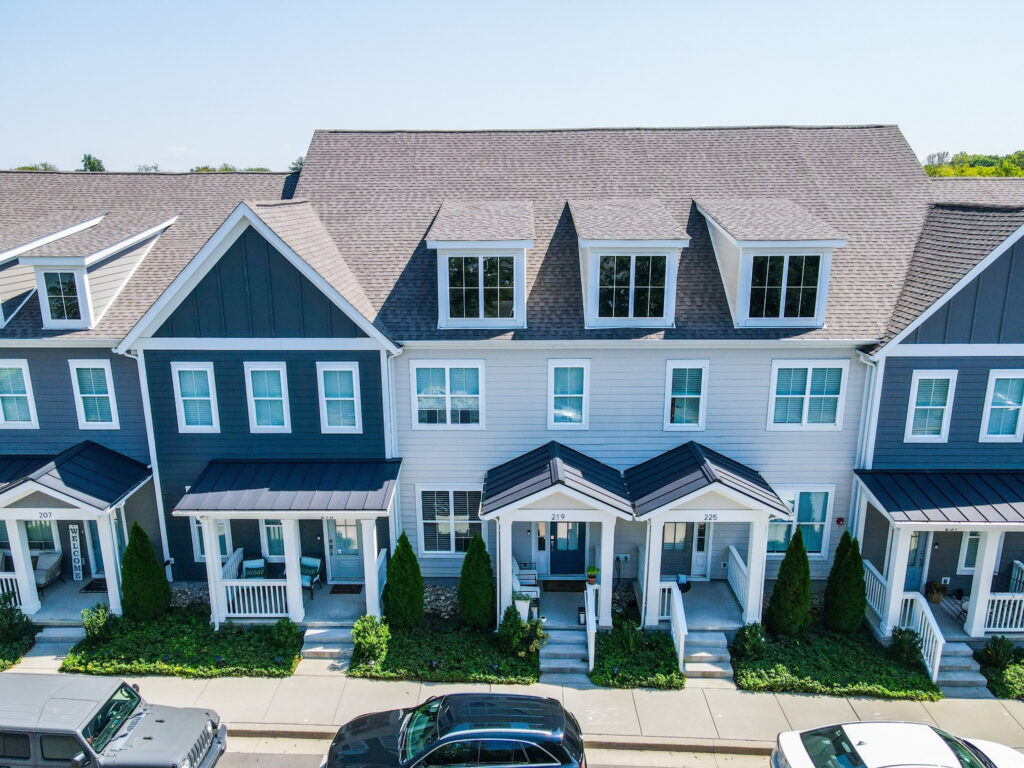
VS
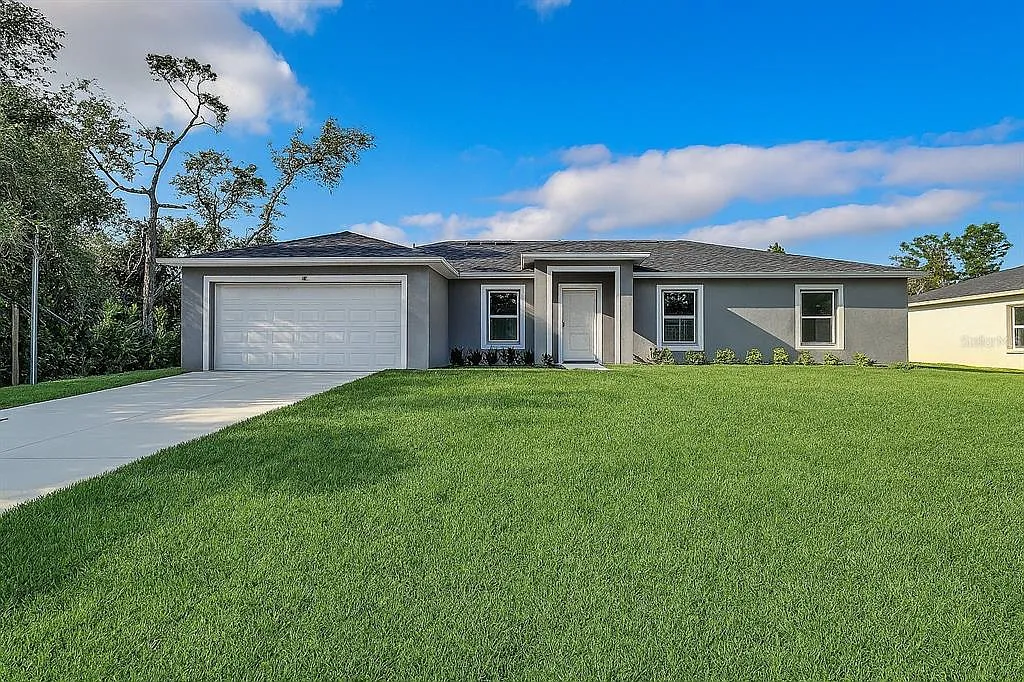
Out‑of‑State investors can compare Tennessee’s newer rental with higher NOI vs Florida’s A+ property with strong yield. Which fits YOUR investment strategy?
We have much more inventory available than what you see on our website – Let us know about your requirement.
📈 Choose Your Winner & Contact Us Today!
Speak to a Norada Investment Counselor (No Obligation):
(800) 611-3060
Mortgage rates remain high in 2026, but rental properties continue to deliver strong cash flow and appreciation. Savvy investors know that turnkey real estate is the path to passive income and long‑term wealth.
Norada Real Estate helps you secure turnkey rental properties designed for immediate cash flow and appreciation—so you can invest smartly regardless of interest rate trends.
Also Read:
- Mortgage Rates Predictions Backed by 7 Leading Experts: 2025–2026
- Mortgage Rate Predictions for the Next 3 Years: 2026, 2027, 2028
- 30-Year Fixed Mortgage Rate Forecast for the Next 5 Years
- 15-Year Fixed Mortgage Rate Predictions for Next 5 Years: 2025-2029
- Will Mortgage Rates Ever Be 3% Again in the Future?
- Mortgage Rates Predictions for Next 2 Years
- Mortgage Rate Predictions for Next 5 Years
- Mortgage Rate Predictions: Why 2% and 3% Rates are Out of Reach
- How Lower Mortgage Rates Can Save You Thousands?
- How to Get a Low Mortgage Interest Rate?
- Will Mortgage Rates Ever Be 4% Again?