
All-cash buyers are pulling back in 2026. Realtor.com’s August research put the early-year cash share of sales around 31.4%, down from about 32.3% a year earlier, with cash transactions falling faster (−11.2%) than overall sales (−8.5%) in that window. NAR existing-sales mixes have also shown softer cash participation than last year’s peaks — often mid-20%s in monthly snapshots depending on the month cited.
A smaller cash share sounds like good news for financed buyers until you remember mortgages cost near 7% after a summer rate spike and a Fed hike to 3.75%–4.00% (SEP ~4.1%). Less cash competition helps; expensive financing still binds. For volume context, see existing-home sales at a 14-month low.
Cash Buyers Are Pulling Back in 2026 — What a Smaller All-Cash Share Means at 7%
What the Cash-Share Decline Shows
During the frenzy years, cash (and effectively cash-like) offers crowded out contingent financed buyers. As inventory rebuilt and prices cooled in more metros, pure cash lost some of its must-win premium. Realtor.com’s 2026 work framed cash buyers as pulling back faster than the market overall — a rebalancing, not a disappearance. Cash remains historically elevated versus pre-2020 norms in many datasets; it is the direction that changed.
CNBC and other outlets summarizing the same Realtor.com package emphasized the same theme: cash is no longer automatically king when listings linger and sellers accept financing contingencies again.
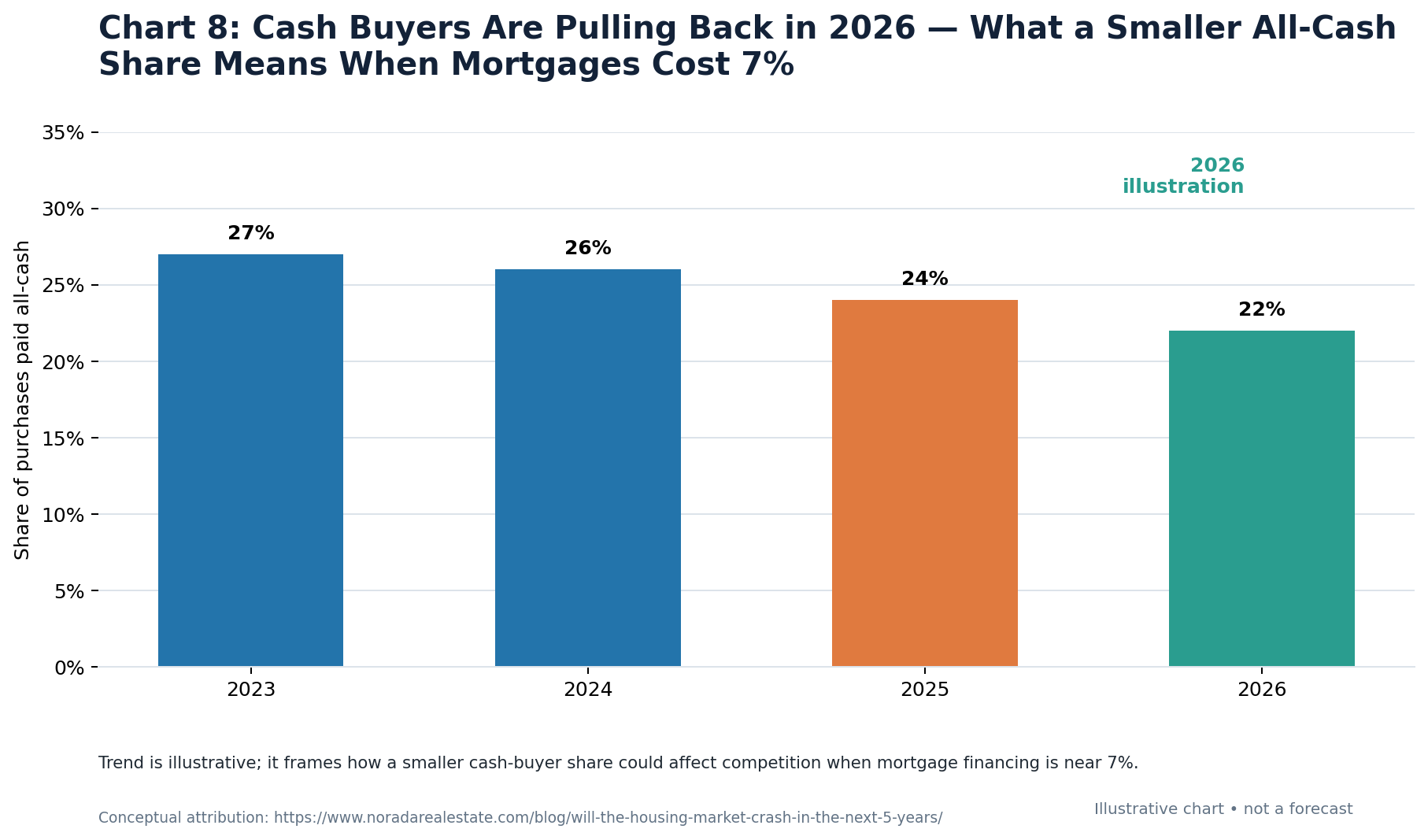
Why Cash Pulls Back When Rates Are High
Paradoxically, high mortgage rates can reduce cash’s relative edge in two ways. First, opportunistic investors who borrowed cheaply elsewhere or expected easy flips face worse math — related to mega-investors stepping back while investor share sits near 27%. Second, some “cash” purchases were always bridged by securities-backed lines or portfolio debt that now costs more. Meanwhile, households sitting on equity may prefer to keep dry powder invested rather than park it in an illiquid house while opportunity costs rise.
| Buyer type | 2026 tendency | Implication |
|---|---|---|
| Owner-occupant with mortgage | Still payment-constrained @ ~7% | Needs credits, cuts, or buydowns |
| All-cash household | More selective; slower pace | Fewer blowout appraisal-gap wars |
| Small investor | Underwrites rent vs 7% debt carefully | Fewer marginal bids |
| Mega investor | Pulling volume (Cotality) | Less competition at the low end |
What a Smaller Cash Share Means for Financed Buyers
You are less likely to lose every listing to a same-day cash waiver. Inspection contingencies and appraisal clauses are easier to keep in many neighborhoods — especially where price cuts already cover ~42% of listings and supply sits near 4.9 months. That is real progress versus 2021.
It is not a free pass. Sellers still prefer cleaner offers when two bids are close. A financed buyer who is fully underwritten, flexible on closing, and realistic on price can compete; a financed buyer stretching DTI on a 7% quote with a weak pre-approval cannot. Pending-contract softness (pending sales as leading signal) means you may have time — use it to strengthen financing, not to lowball every address blindly.
What Sellers Should Change in Offer Strategy
- Stop assuming the winning bid will be cash; score net proceeds and certainty.
- Lean on pre-underwritten financed buyers with documentation.
- Use credits toward points if that expands your buyer pool more than a tiny list cut.
- Track local cash-share and DOM, not only national headlines.
Local Markets Where Cash Still Dominates
National share declines hide pockets where cash remains decisive: luxury segments with international buyers, heavy investor zips, and markets where financing is hard because insurance is scarce or condos struggle with project approvals. If you are shopping those pockets, the 2026 “cash is fading” headline may not describe your weekend. Pull the last 60 days of closed sales and count financing types before you rewrite strategy.
Offer Structure When Cash Is Less Common
Financed buyers should lead with proof: pre-underwriting, lender contact on the offer, appraisal-gap coverage only within a budgeted limit, and realistic timelines. Sellers should counter with clear expectations instead of reflexive “cash only” language that shrinks the pool. Credits toward closing costs or points can bridge payment gaps created by 7% quotes — sometimes more effectively than a $10,000 ritual haircut on price.
Watch pending sales for whether financed demand is actually converting. A rising financed share with falling pending would mean more people are trying and still not clearing — a different problem than cash crowding them out.
Macro Feedback Loop
When cash buyers step back and financed buyers remain payment-capped, transaction volumes stay soft even if competition feels “fairer.” That loop supports more list-price cuts and longer marketing times without requiring a crash. It also explains why builders keep writing rate ads: the marginal buyer needs payment help regardless of whether the competing offer is cash or contingent.
Appraisal Gaps Without Ubiquitous Cash
In the frenzy years, cash buyers shrugged off appraisal shortfalls. Financed buyers cannot. As cash share fades, expect more renegotiations when appraisals come in light — especially on homes that were listed into a rising cut-share environment but still priced off stale peaks. Budget an appraisal-gap strategy in advance: walk, renegotiate, or cover a capped amount. Blind unlimited gap coverage at 7% financing is how households create negative equity on day one.
Investors Who Paid Cash and Now Face Exit Math
Some 2021–2022 cash buyers are today’s sellers. Their cost basis may sit above what financed owner-occupants can pay at 7%. That mismatch shows up as longer DOM and eventual cuts — feeding the 42% price-cut tape. If you are buying from that cohort, underwrite politely but firmly: their need for cash does not obligate you to validate their peak valuation.
What “Fairer Competition” Does Not Fix
Even with fewer cash offers, qualification standards remain. Debt-to-income limits, residual income tests, and insurance quotes still gatekeep. A fairer bid environment with an unpayable mortgage is not a functioning purchase. Pair cash-share optimism with payment realism and, where relevant, rent-vs-buy cash flow before you exit a stable lease.
Weekend Offer Strategy in a Less-Cash Market
Show up with financing strength in writing, a clear inspection plan, and a price that reflects current comps — including cut listings. If the seller received only one weak cash lowball last week, your clean financed offer at a fair number may win without fireworks. If multiple financed buyers appear, compete on certainty and timeline before you compete on waiving protections. The point of a smaller cash share is not to recreate frenzy tactics with a mortgage; it is to use negotiating power the inventory rebuild already offers.
Track whether local boards show rising contingent sales that actually close. A wave of accepted financed offers that later fall through on appraisal will show up downstream in pending weakness and fresh relists.
Bottom Line
Cash buyers are pulling back in 2026 — Realtor.com’s early-year 31.4% cash share (down YoY, with cash deals falling faster than sales overall) and softer NAR cash mixes tell a coherent story. When mortgages cost near 7%, that rebalancing improves financed buyers’ odds without restoring easy affordability. Compete on readiness and payment math, not on nostalgia for zero-competition cash offers.
VS
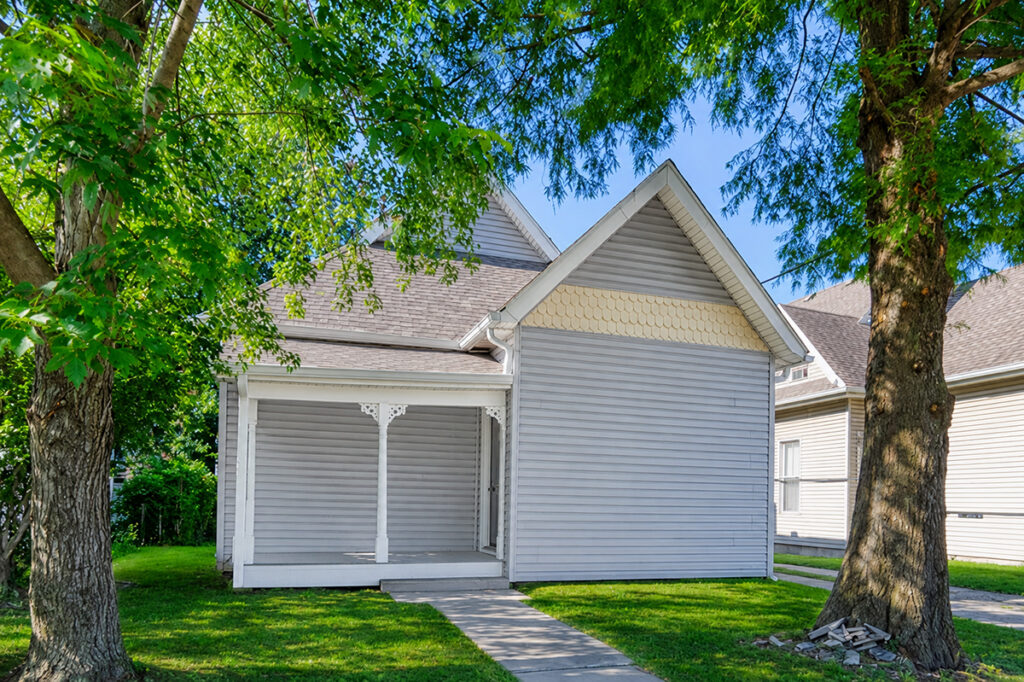
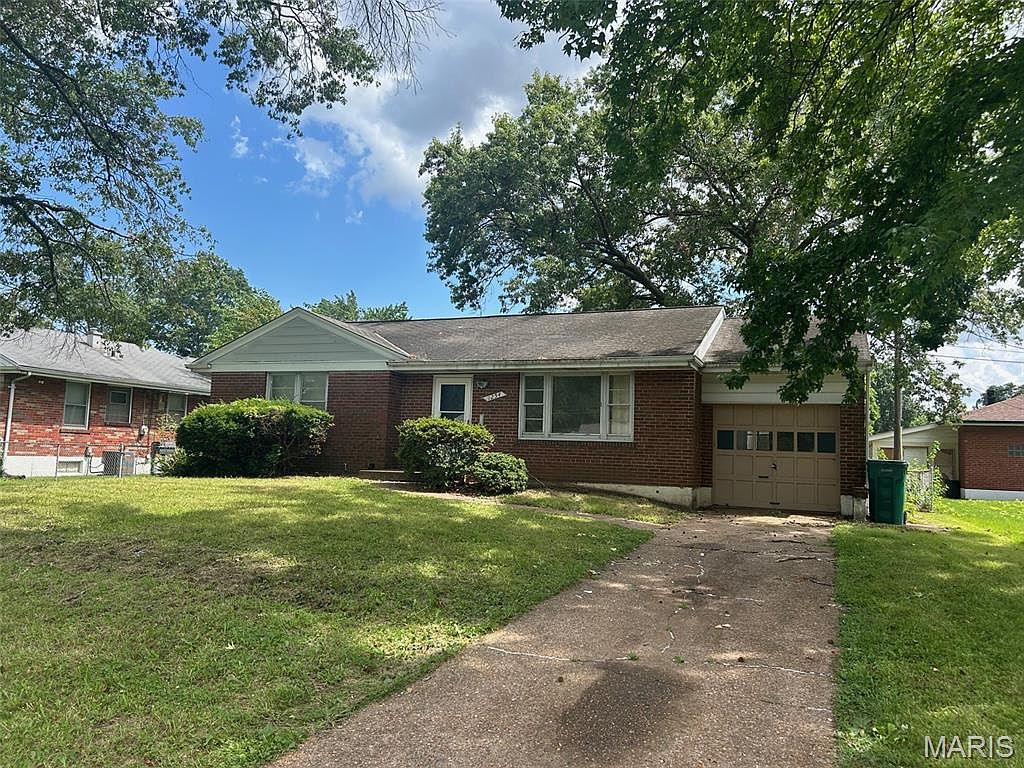
Saint Louis offers a budget‑friendly 4‑bed rental with a high cap rate, while Indianapolis provides a classic 2‑bed property with steady cash flow. Which Midwest market fits YOUR investment strategy?
We have much more inventory available than what you see on our website – Let us know about your requirement.
📈 Choose Your Winner & Contact Us Today!
Speak to a Norada Investment Counselor (No Obligation):
(800) 611-3060
Also Read:
- Top 10 Housing Markets Set to Deliver High ROI in 2026
- Top 10 Most Popular Housing Markets of 2025 for Homebuyers
- Will Real Estate Rebound in 2026: Top Predictions by Experts
- Housing Market Predictions for the Next 4 Years: 2026, 2027, 2028, 2029
- Housing Market Predictions for 2026 Show a Modest Price Rise of 1.2%
- Housing Market Predictions 2026 for Buyers, Sellers, and Renters
- 12 Housing Markets Set for Double-Digit Price Decline by Early 2026
- Real Estate Forecast: Will Home Prices Bottom Out in 2025?
- Housing Markets With the Biggest Decline in Home Prices Since 2024
- Why Real Estate Can Thrive During Tariffs Led Economic Uncertainty
- Rise of AI-Powered Hyperlocal Real Estate Marketing in 2025
- Real Estate Forecast Next 5 Years: Top 5 Predictions for Future
- 5 Hottest Real Estate Markets for Buyers & Investors in 2025