When mortgage rates sit near 7%, many buyers cannot force the payment down with price alone — but they can often reduce cash to close or buy the rate lower with a seller closing-cost credit. In a market where Redfin shows more listings taking price cuts and longer market times, sellers who refuse to move on sticker price may still agree to pay part of your fees, prepaid items, or discount points.
This is a how-to on concessions: how credits differ from price cuts, what Fannie Mae, FHA, and VA caps allow, and how to write the ask so underwriting accepts it. It is not another “buyers have leverage” mood piece — it is the mechanics behind that leverage.
Always confirm program rules with your lender; caps and eligible fee lists can vary by loan type, occupancy, and down-payment tier.
How to Get Closing Cost Credits When Mortgage Rates Are Near 7%
Credit vs. Price Cut: Which Helps More Near 7%?
A price cut lowers the loan amount and, usually, the principal-and-interest payment. A seller credit can (1) cover lender fees and title charges so you bring less cash to closing, (2) fund discount points that permanently buy the rate down, or (3) cover prepaid taxes and insurance. Near 7%, many payment-constrained buyers get more monthly relief from a credit used for points than from a small price cut that barely moves amortization.
Example logic (illustrative, not a quote): on a $400,000 loan, a 1% price cut saves limited principal and interest versus using a 1%–2% credit to buy the note rate down by a meaningful fraction of a point. Run both scenarios on the same Loan Estimate before you decide which concession to prioritize.
Credits cannot usually fund your down payment on conventional or FHA loans, and they generally cannot exceed actual eligible closing costs and prepaids. Unused credit does not become cash back in most purchase programs.
Know the Program Caps Before You Ask
Interested-party contribution limits are the guardrails. Common published caps (confirm on your loan):
- Conventional (Fannie Mae IPC framework): typically up to 3% of the lesser of sale price or appraised value with less than 10% down; up to 6% with 10%–25% down; up to 9% with more than 25% down; often capped near 2% for investment properties.
- FHA: seller contributions toward closing costs and prepaid items generally capped at 6% of the sales price.
- VA: sellers may pay eligible closing costs; separate “concession” items are commonly limited to 4% of the loan amount for defined categories (verify with your VA lender).
- USDA: often aligned near a 6% seller-contribution style limit in consumer summaries — again, confirm with the lender.
Caps are usually calculated on the lower of purchase price or appraisal. If the appraisal comes in low and you renegotiate price, revisit whether the credit still fits.
| Goal | Better concession type | Watch-outs |
|---|---|---|
| Lower monthly P&I for years | Credit applied to discount points | Break-even if you move or refinance early |
| Preserve cash reserves | Credit to fees and prepaids | Cannot exceed actual costs |
| Improve LTV / equity day one | Price cut | May help appraisal comps for neighbors more than your cash |
| Win a multiple-offer scenario | Smaller ask or inspection credits | Overreaching credits can lose the house |
How to Structure the Ask in Your Offer
- Get a Loan Estimate first. Know your cash-to-close gap and whether points are worth buying before you invent a round-number credit.
- Pick one primary job for the credit. “$8,000 toward buyer closing costs and/or discount points at buyer’s discretion” is clearer than a vague “seller helps with fees.”
- Stay inside the cap with margin. If your max conventional credit is 3%, asking for 2.5% leaves room if fees change.
- Trade intelligently. In softer listings — longer days on market, prior price cuts — you can often combine a modest price reduction with a credit. In hotter pockets, lead with a clean price and a smaller credit.
- Coordinate with appraisal and repairs. Stacking a large credit on top of repair credits can trip IPC limits or look like disguised price cuts to the underwriter.
For market context on where sellers are already flexible, see homebuyers’ negotiating power in fall 2026. For why the monthly payment itself is elevated, see Redfin’s $2,641 typical payment print.
Rate-Buydown Credits vs. Cash-to-Close Credits
Near 7%, permanent discount points funded by the seller can matter more than temporary 2-1 buydowns that reset later. Ask your lender to show the rate with 0, 1, and 2 points, and map each option to a seller-credit dollar amount. Then compare that monthly savings with simply cutting the price enough to shrink the loan.
Temporary buydowns still appear in builder contracts. Treat them as a separate analysis: what payment applies after the teaser period, and does the contract price embed the subsidy? A seller credit that permanently buys the note rate is easier to underwrite as a true payment fix.
Common Mistakes That Kill Credits
- Asking for a credit larger than eligible costs, then discovering the excess cannot be used.
- Writing the credit so late that the Closing Disclosure cannot be re-issued without delaying funding.
- Ignoring investment-property caps if you are buying a rental — the 2% conventional neighborhood is easy to breach.
- Focusing only on rate while escrow prepaid amounts (taxes and insurance) still blow up cash to close.
- Forgetting that a credit does not stop year-two escrow reanalysis — see why payments can still jump after closing.
Seller Psychology: When Credits Beat Stubborn Pricing
Some sellers anchor on a Zillow estimate or a neighbor’s 2022 sale and refuse to cut price. A credit lets them keep a higher recorded sale price while still transferring value — useful when they care about comps for a related refinance or a second property. As a buyer, you care about cash flow and cash to close; matching the seller’s pride to your payment math is often how deals finish in a near-7% tape.
Builders may prefer packaged incentives over open-ended credits. Compare the builder’s menu with a resale seller credit using the same monthly-payment target, especially when more new homes are stickered under $400,000 — see builders’ sub-$400K product mix.
Sample Offer Language (Customize With Your Agent and Lender)
Clean contract language reduces last-minute underwriting drama. A workable pattern is: “Seller to credit Buyer $X at closing toward Buyer’s closing costs, prepaid items, and/or discount points, not to exceed actual eligible costs or the maximum interested-party contribution allowed for Buyer’s loan program.” Have the lender confirm $X fits the cap at the expected down-payment tier.
If you are competing, you can make the credit contingent on appraisal at or above purchase price, or shrink the credit if the seller accepts a quicker close. Flexibility beats a maximalist ask that dies in counteroffers.
Checklist the Week Before Closing
- Confirm the Closing Disclosure shows the seller credit exactly as contracted.
- Verify points purchased match the locked rate sheet.
- Re-check that the credit still sits inside IPC limits after any price amendment.
- Keep reserves for the first tax and insurance bills if your escrow cushion is thin.
- Save PDF copies of the Loan Estimate and Closing Disclosure for future refinance comparisons.
Bottom Line
Closing-cost credits are one of the most practical tools buyers have when mortgage rates hover near 7%. Know your loan program’s IPC caps, decide whether you need cash-to-close relief or permanent points, and write a specific credit that underwriting can clear. Used well, a credit turns soft demand into a lower effective payment without waiting for the national rate average to rescue you.
VS
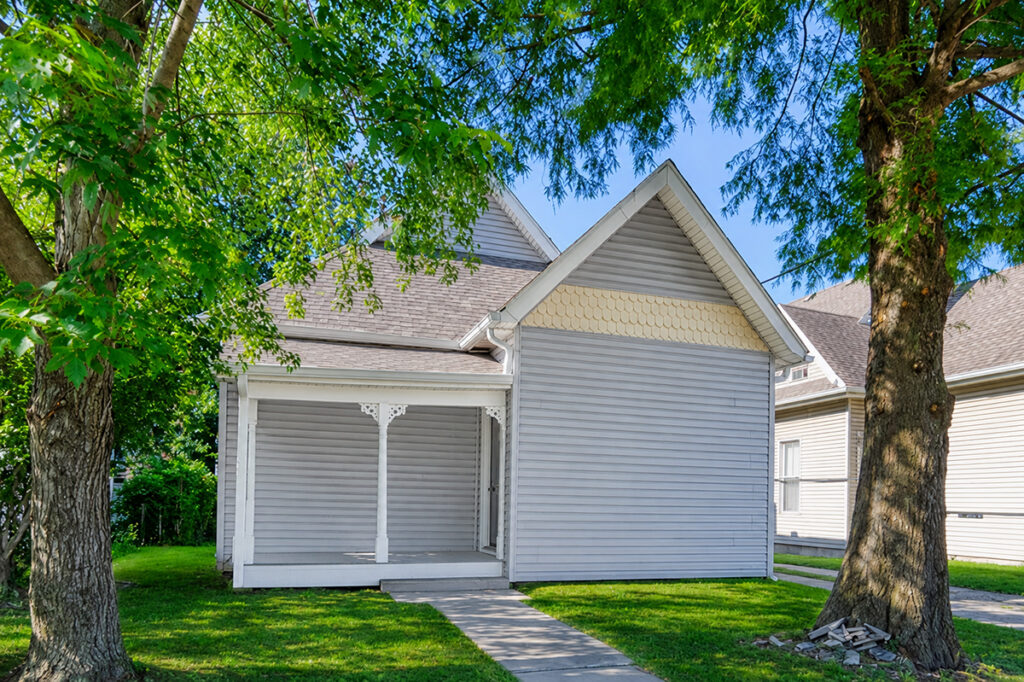
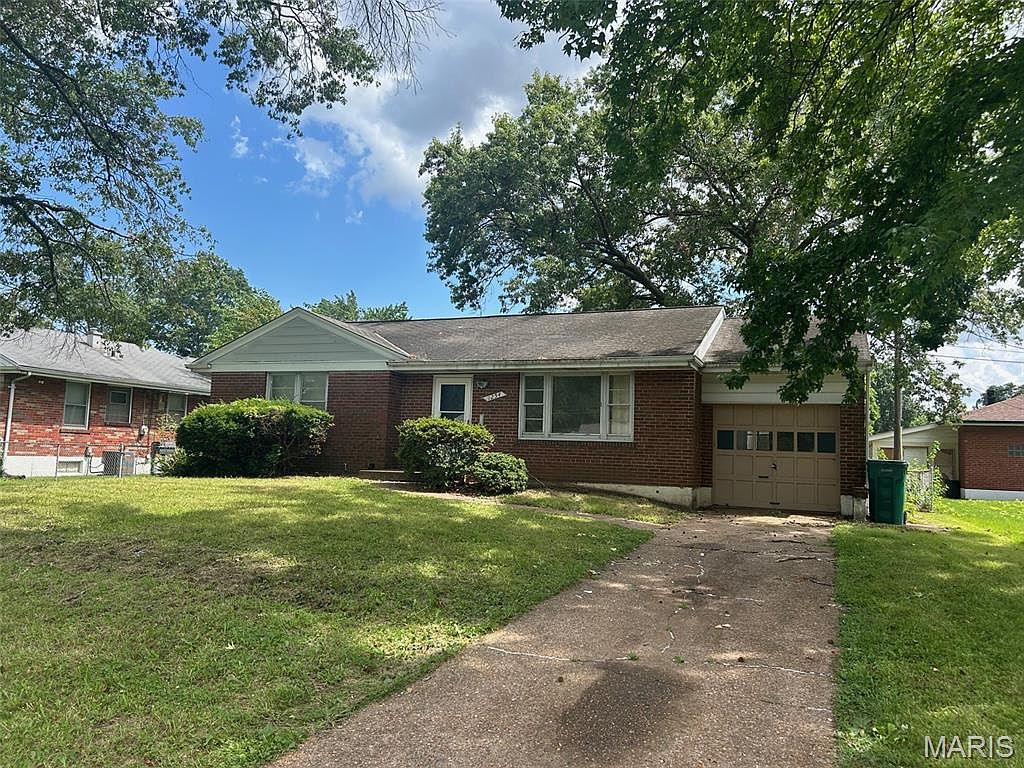
Saint Louis offers a budget‑friendly 4‑bed rental with a high cap rate, while Indianapolis provides a classic 2‑bed property with steady cash flow. Which Midwest market fits YOUR investment strategy?
We have much more inventory available than what you see on our website – Let us know about your requirement.
📈 Choose Your Winner & Contact Us Today!
Speak to a Norada Investment Counselor (No Obligation):
(800) 611-3060
Also Read:
- Top 10 Housing Markets Set to Deliver High ROI in 2026
- Top 10 Most Popular Housing Markets of 2025 for Homebuyers
- Will Real Estate Rebound in 2026: Top Predictions by Experts
- Housing Market Predictions for the Next 4 Years: 2026, 2027, 2028, 2029
- Housing Market Predictions for 2026 Show a Modest Price Rise of 1.2%
- Housing Market Predictions 2026 for Buyers, Sellers, and Renters
- 12 Housing Markets Set for Double-Digit Price Decline by Early 2026
- Real Estate Forecast: Will Home Prices Bottom Out in 2025?
- Housing Markets With the Biggest Decline in Home Prices Since 2024
- Why Real Estate Can Thrive During Tariffs Led Economic Uncertainty
- Rise of AI-Powered Hyperlocal Real Estate Marketing in 2025
- Real Estate Forecast Next 5 Years: Top 5 Predictions for Future
- 5 Hottest Real Estate Markets for Buyers & Investors in 2025