Homebuilders are advertising mortgage rates near 4% again — Realtor.com found reduced rates on about 13.8% of new-construction listings in August, with an average advertised rate around 3.92% while everyone else was looking at mid/high-6%s that have since pressed toward 7%+. The monthly payment looks magical. The open question is whether those buydowns are also propping up asking prices.
That incentive wave arrives as builder sentiment sits near a 12-month low HMI of 32 and as two-thirds of builders lean on incentives with a large minority cutting prices outright. The Fed’s mid-September move to 3.75%–4.00% (SEP median ~4.1%) did not invent the strategy; it made payment subsidies more valuable.
Builders Are Advertising ~4% Mortgages Again — Do Rate Buydowns Prop Up New-Home Prices?
What the ~4% Ads Actually Say
Realtor.com’s August listing analysis, reported around mid-September, showed rate reductions as the most common advertised incentive on new homes — far ahead of flex cash. Nearly one in five new-construction listings pitched some incentive; rate help alone appeared on roughly one in seven. The average advertised rate near 3.92% sat roughly 275 basis points below the then-typical 30-year quote around 6.67%. With market averages now nearer 7%, the headline gap looks even wider.
Those ads are not identical products. Some are permanent discount-point packages. Others are temporary structures (including cousins of the 2-1 buydowns buyers already shop). Always ask: How long does the teaser last? What rate remains after? Who pays the buydown — builder, lender affiliate, or you via a higher contract price?

The Payment Math Buyers Feel Immediately
On a $450,000 new home with 20% down, moving from roughly 6.7% to 3.92% can trim principal and interest by around $600+ a month in illustrative math used in trade coverage — before taxes, insurance, and HOA. That is why model-home posters lead with the rate, not the lot premium. Payment is the constraint; builders are selling the constraint relief.
| Comparison item | What to verify |
|---|---|
| Advertised rate | Permanent vs temporary; qualification caps |
| Contract price | Is the home priced as if the buydown did not exist? |
| Appraisal | Will the lender treat concessions correctly? |
| Resale | Next buyer may not get your subsidized rate |
| Alternative | Equivalent price cut on a resale or competing new home |
Are Buydowns Propping Up Prices?
Possibly — and serious researchers have said so out loud. An American Enterprise Institute Housing Center estimate widely cited in this cycle suggests cutting the mortgage rate by about one percentage point can cost a builder on the order of ~3% of the sale price, while delivering a similar monthly-payment improvement through a sticker cut might require a far larger percentage reduction. If that relative-cost math holds, builders rationally prefer financing sugar to deep list-price cuts when they want to protect recorded sale prices and comps.
Freddie Mac has also warned appraisers to account for financing and sales concessions, noting builders may use buydowns to “drive interest and support higher prices.” Appraisers who ignore that risk blessing a contract that embeds the subsidy in the price. Realtor.com’s same incentive package noted new-construction listing prices were barely down year over year in August while resale asks fell more — consistent with (not proof of) price support via financing.
None of this makes every buydown a trick. It means the “deal” lives in the full package: price, rate duration, lender fees, and what a future appraisal might say when you sell into a market without your builder’s checkbook.
How Buydowns Interact With a 9.6-Month New-Home Glut
New construction is not the same market as resale. Census/HUD data put July new-home supply near 9.6 months — a story we detail in why new homes look nothing like resale at 9.6 months’ supply. When finished inventory piles up, incentives intensify. Buydowns clear monthly payment hurdles without forcing every community to print a dramatic median-price drop. That can stabilize builder ASP headlines while still transferring value to buyers who negotiate the subsidy correctly.
Buyer Checklist Before You Fall for the Yard Sign
- Get a written breakdown of temporary vs permanent rate help.
- Price the same payment relief as a pure price cut; ask which costs the builder less — and which helps your equity more.
- Compare with nearby resales after price cuts that already hit ~42% of listings.
- Run appraisal and resale scenarios if rates stay near 7% and your teaser ends.
- Shop an independent lender quote so the builder affiliate is a choice, not a captive funnel.
Permanent Buydown vs. Temporary Teaser — Read the Contract
Advertised “4%” can mean very different economics. A permanent buydown funded with discount points lowers the note rate for the life of that loan. A temporary structure reduces payments in year one and year two, then steps to a higher note rate. Both can be legitimate. Only one continues to protect you if rates are still near 7% in month 30. Ask for the note rate, the payment schedule by year, and whether the builder’s contribution appears as a seller credit, a lender credit, or a higher contract price.
Also ask what happens if you refinance later. Some temporary plans are pure payment subsidy; they do not leave you with a permanently lower coupon to refinance from. If your plan is to refinance when the Fed eventually cuts, model the ugly case where cuts arrive late and your teaser has already expired.
Appraisals, Comps, and the Next Buyer
Freddie Mac’s guidance that appraisers must weigh financing concessions is not boilerplate. If three builder sales in a subdivision closed with heavy buydowns, an appraiser who ignores that may overstate the unassisted market value. That can bite you at purchase if the loan does not appraise — and again at resale if the next buyer’s lender will not honor the same subsidized comps. Keep copies of concession details and talk openly with your agent about how local appraisers are treating builder deals this fall.
Resale sellers nearby should track those concessions too. Competing with a $600/month payment gap created by a builder check is different from competing on granite counters. Sometimes the winning response is a credit toward the buyer’s points rather than another cosmetic upgrade.
Negotiation Scripts That Protect Equity
Try pricing conversations in payment space and equity space at the same time. Example: “We can take your 3.9% permanent package, or we can take a $18,000 price cut and finance with our own lender.” Whichever path you choose, put the net present value on paper. Builders managing weak sentiment and heavy months of supply often have flexibility even when the online price looks firm. Your leverage rises when the spec has been finished for months and the community’s remaining inventory is visible from the street.
Bottom Line
Builders advertising ~4% mortgages — average ads near 3.92% on nearly one in seven August new listings, per Realtor.com — are responding rationally to ~7% market rates and heavy finished inventory. Those buydowns can be real payment relief. They can also support asking prices relative to an equivalent sticker cut, which is why AEI-style cost math and Freddie’s concession guidance matter. Shop the payment, the price, and the exit — not the yard-sign rate alone.
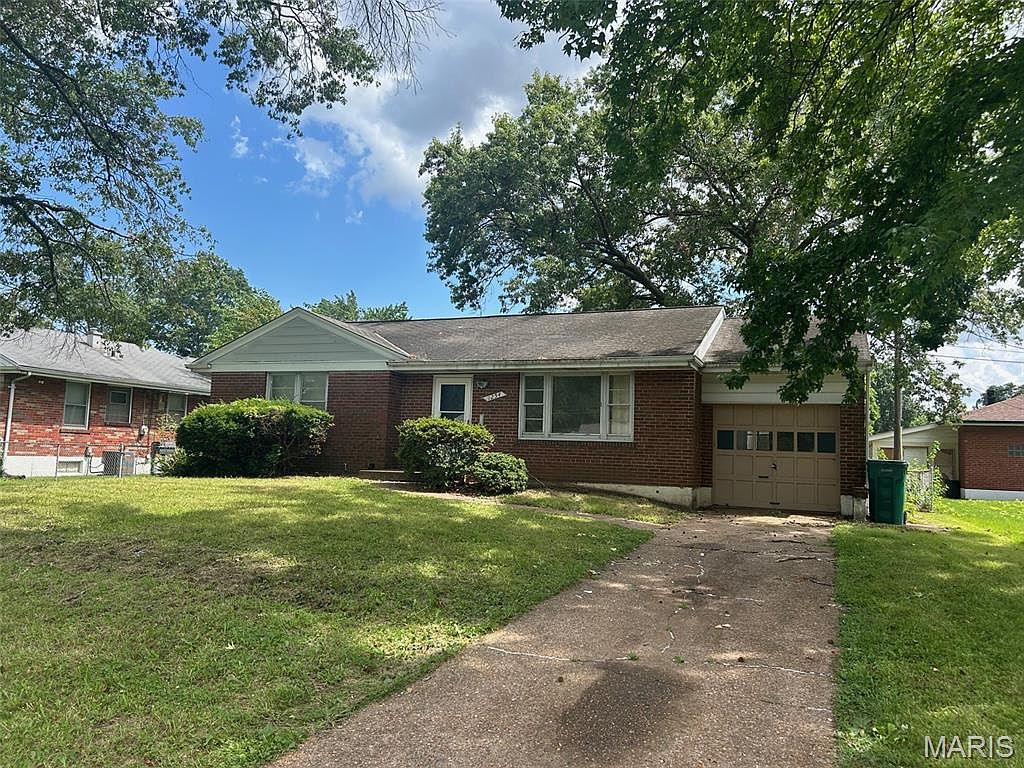
VS
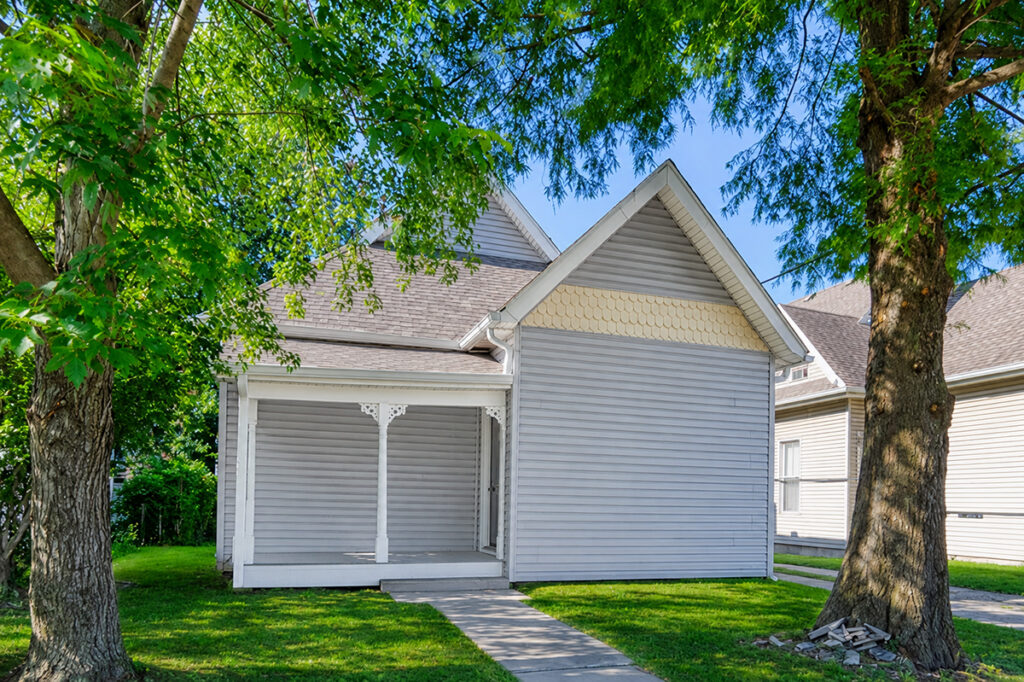
Saint Louis offers a budget‑friendly 4‑bed rental with a high cap rate, while Indianapolis provides a classic 2‑bed property with steady cash flow. Which Midwest market fits YOUR investment strategy?
We have much more inventory available than what you see on our website – Let us know about your requirement.
📈 Choose Your Winner & Contact Us Today!
Speak to a Norada Investment Counselor (No Obligation):
(800) 611-3060
Also Read:
- Top 10 Housing Markets Set to Deliver High ROI in 2026
- Top 10 Most Popular Housing Markets of 2025 for Homebuyers
- Will Real Estate Rebound in 2026: Top Predictions by Experts
- Housing Market Predictions for the Next 4 Years: 2026, 2027, 2028, 2029
- Housing Market Predictions for 2026 Show a Modest Price Rise of 1.2%
- Housing Market Predictions 2026 for Buyers, Sellers, and Renters
- 12 Housing Markets Set for Double-Digit Price Decline by Early 2026
- Real Estate Forecast: Will Home Prices Bottom Out in 2025?
- Housing Markets With the Biggest Decline in Home Prices Since 2024
- Why Real Estate Can Thrive During Tariffs Led Economic Uncertainty
- Rise of AI-Powered Hyperlocal Real Estate Marketing in 2025
- Real Estate Forecast Next 5 Years: Top 5 Predictions for Future
- 5 Hottest Real Estate Markets for Buyers & Investors in 2025