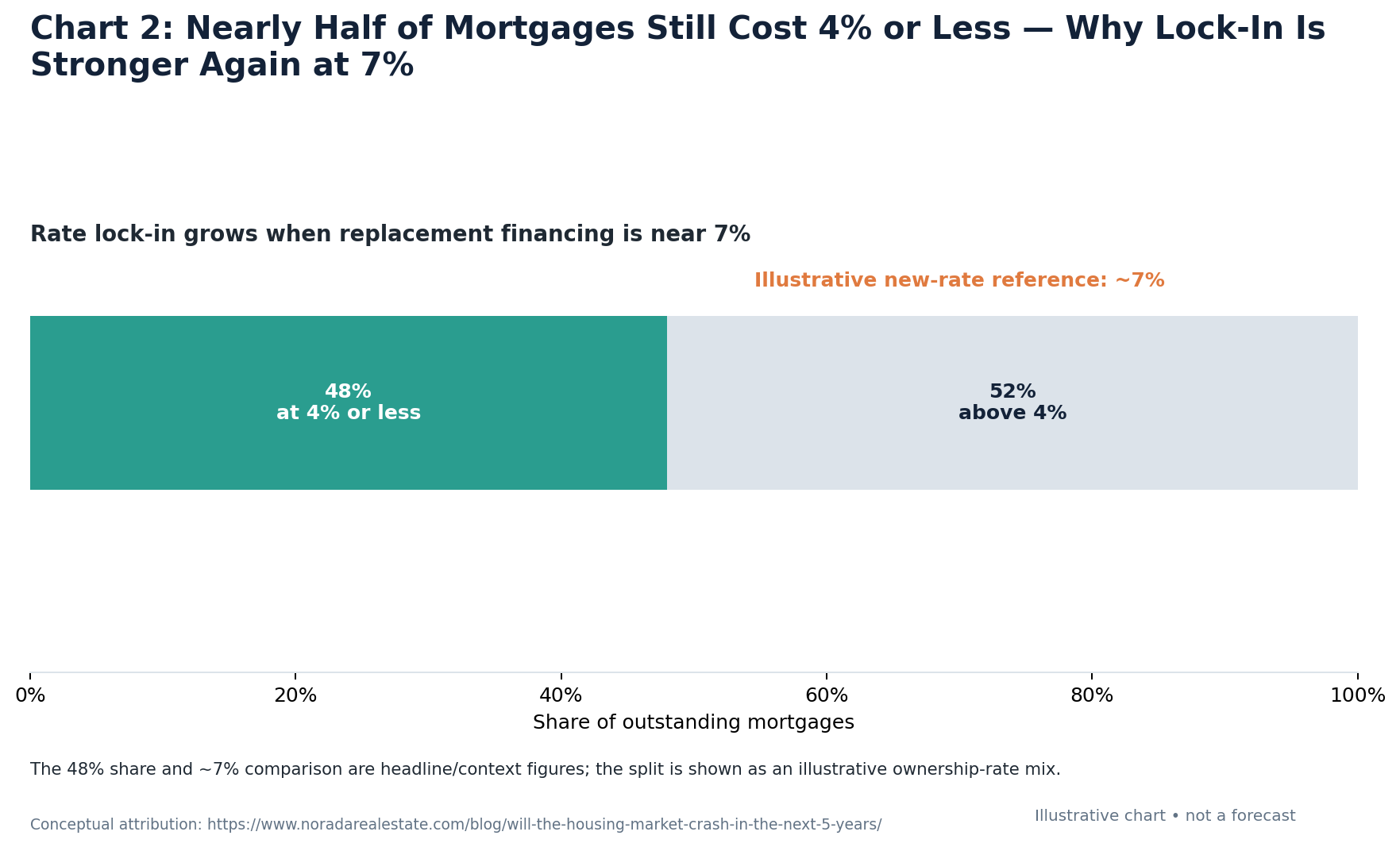
Nearly half of outstanding U.S. mortgages still carry a rate of 4% or less — about 49.9% in Realtor.com’s Q1 2026 read of FHFA National Mortgage Database figures — while the going 30-year quote sits near or above 7%. That gap is lock-in in plain English: selling and rebuying often means trading a comfortable payment for a much larger one.
The Federal Reserve’s mid-September +25 bp hike to 3.75%–4.00%, with an SEP median near ~4.1% by year-end, did not create that coupon divide. It re-widened the reason households stay put after a brief stretch when some hoped rates would drift into the mid-6%s for good. For the sales scoreboard, see existing-home sales at a 14-month low; for the listing shelf, see inventory near 4.9 months’ supply.
Nearly Half of Mortgages Still Cost 4% or Less — Why Lock-In Tightens Again Near 7%
The Coupon Map: What “Nearly Half at 4% or Less” Means
Realtor.com’s outstanding-mortgage research for Q1 2026, built on FHFA’s National Mortgage Database, showed roughly:
- <3%: about 19.5% of mortgages
- 3% to 4%: about 30.4%
- Combined ≤4%: about 49.9%
- Below 6%: roughly 78%
- 6%+: about 22.1%
Those are shares of loans still being paid — not of households that shopped last month. The sub-4% cohort is eroding slowly as loans amortize and a smaller slice of owners refinance or move. It is not vanishing because market rates flirted with the high-6%s earlier in the cycle.
Why Lock-In Feels Stronger Again at 7%
Lock-in is a payment comparison, not a personality trait. Suppose a household owes $350,000 at 3.5% on a remaining long schedule. Their principal-and-interest payment lives in a different universe from the same balance at 7%. Even with equity, the new payment can blow up the monthly budget — especially once you add today’s tax and insurance escrow, a cousin of the shock in why a fixed rate can still bring a higher payment.
When surveys printed in the mid-6%s, a few owners could squint and imagine a move. When quotes sit near 7.00%–7.08% in major mid-September surveys (with some sources higher), that mental bridge collapses for many. The Fed does not set the 30-year one-for-one — oil, yields, and MBS already pushed mortgages toward 7% before the hike — but a firmer policy path keeps “waiting for 5%” from feeling imminent.
| Borrower situation | Typical behavior near 7% | Market effect |
|---|---|---|
| Coupon ≤4%, no forced move | Stay put; delay listing | Thinner resale supply |
| Coupon ≤4%, life event | Sell anyway; may rent next | Forced supply meets thin demand |
| Coupon already 6%+ | More willing to trade homes | Slight thaw at the margin |
| First-time / no lock-in | Payment-constrained shopping | Sensitive to cuts and credits |
Lock-In vs. Rising Listings: Both Can Be True
Critics sometimes say lock-in “can’t matter” if inventory is up. Both can be true at once. Owners with cheap coupons still list less than they would in a 4% refinance world, which caps how fast supply can normalize. Separately, builders and motivated sellers add listings, and some asks get cut — the record ~42% price-cut share story. The result is a market that feels stuck: not empty shelves, not a flood, but awkward matching between who can sell and who can buy.
Realtor.com also noted the COVID-refi cohort aging into longer tenure buckets — a mechanical reminder that many of the cheapest coupons are now five-to-seven years into the loan. Those households are not stuck by paperwork; they are stuck by arithmetic. Refinance pipelines remain thin for the same reason — see why refinance applications plunge near 7%.
What Sellers With Low Coupons Should Actually Calculate
If you are considering a move, run the full replacement payment — new rate, new balance, new taxes, new insurance — against your current PITI. Then ask whether the move is mandatory this year or preference, whether a smaller home or temporary rental can bridge the gap, and whether seller credits or a builder buydown on the purchase side change the math more than waiting. Pride in a 3% rate is rational. Pretending the rate travels with you to the next address is not.
What Buyers Should Take From a Locked-In Stock of Owners
Lock-in keeps some homes off the market, which supports prices even when sales are soft. It also means the listings you do see may skew toward forced sellers, investors rotating out, or owners who already refinance-cycled into higher coupons. That mix can improve negotiating room on days-on-market without delivering a national markdown. Pair lock-in context with today’s negotiating-power read and compare new vs. resale after incentives.
Investors underwriting exits should assume retail demand stays rate-constrained while the SEP still leaves room for firmer policy toward ~4.1%. Soft purchase applications — MBA purchase demand still weak — fit the same tape.
Payment Gap Examples That Make Lock-In Rational
Consider two simplified cases. Household A owes $300,000 at 3.25% with 24 years left; principal and interest land near the mid-$1,400s. Refinancing or replacing that loan at 7% on a similar balance for 30 years pushes P&I toward the high $1,900s before you touch taxes and insurance. Household B already holds a 6.75% loan from a 2023 purchase; moving across town at 7% is annoying, not existential. Lock-in is concentrated among the first group — and they still represent roughly half the mortgage stock on a ≤4% definition.
Add a $400 increase in annualized insurance and a reassessment, and Household A’s “just move to a better school district” plan becomes a $700–$1,000 monthly lifestyle change. That is why delistings and longer holds remain rational even when Zillow pageviews look busy.
Will Lock-In Fade on Its Own?
Yes — slowly. Each quarter, some cheap loans amortize away, some owners die or divorce, and some first-time buyers originate new 6%–7% loans that raise the high-coupon share. Realtor.com’s Q1 2026 note that the ≤4% share slipped to 49.9% from higher prints in 2025 is that erosion in action. What will not fade quickly is the behavioral gap while market quotes sit near 7% and policymakers’ SEP still contemplates firming toward ~4.1%. A decisive decline in long yields would do more to unlock move-up sellers than another year of pep talks about “getting used to higher rates.”
Until then, expect the market’s split personality to continue: builders wrestling with 9.6 months of supply while many resale owners stay put, and price cuts rising on the homes that do list.
Practical Moves If You Have a Sub-4% Loan
- Price the true cost of moving — including two closings, higher escrow, and possible temporary housing.
- If you must relocate for work, compare renting the old home (if cash flow works) versus selling.
- If you stay, revisit insurance and tax appeals so the escrow portion does not erase your coupon advantage.
- If you buy anyway, negotiate seller-paid points or a builder package so the new payment is less brutal — see points break-even guidance and builder ~4% ads.
Bottom Line
About 49.9% of outstanding mortgages still cost 4% or less, and roughly four in five remain below 6%, per Realtor.com’s FHFA-based Q1 2026 snapshot. With market 30-year quotes near 7% again, the rate gap that freezes move-up sellers is wider, not narrower. Lock-in will ease only as cheap coupons amortize away or rates fall enough to make trading homes feel sane — not because a single Fed meeting rewrote household balance sheets.
VS
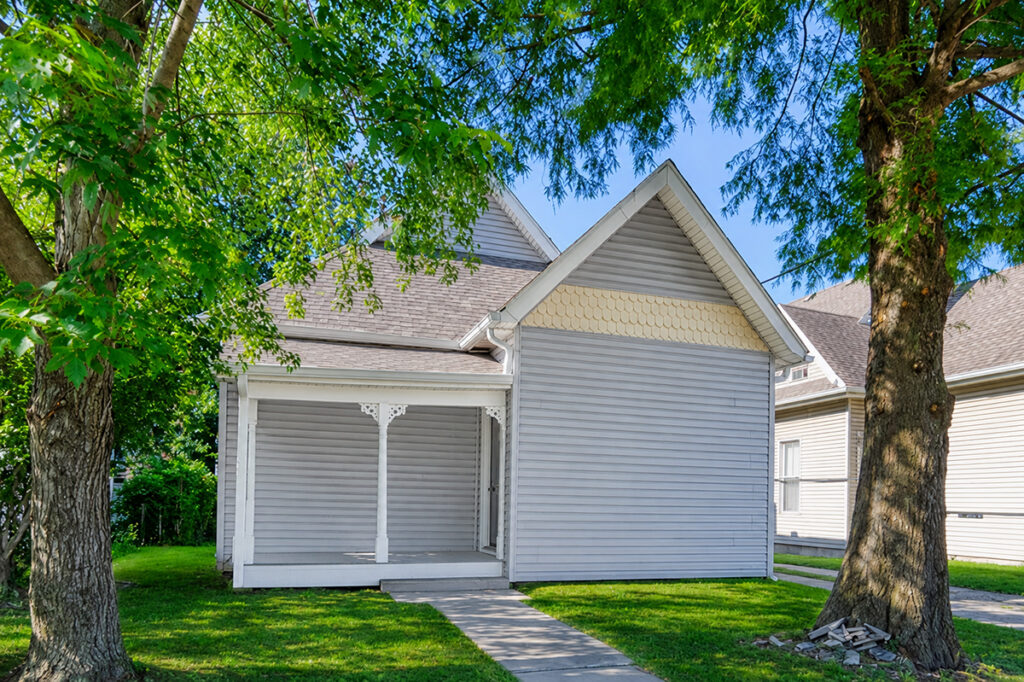
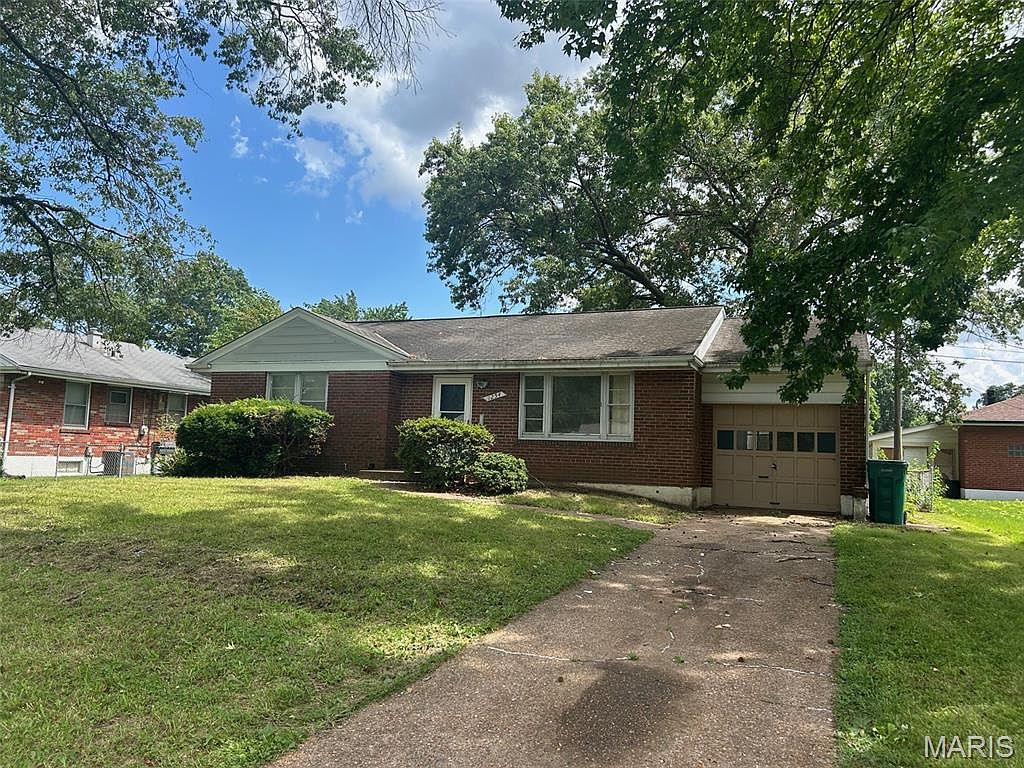
Saint Louis offers a budget‑friendly 4‑bed rental with a high cap rate, while Indianapolis provides a classic 2‑bed property with steady cash flow. Which Midwest market fits YOUR investment strategy?
We have much more inventory available than what you see on our website – Let us know about your requirement.
📈 Choose Your Winner & Contact Us Today!
Speak to a Norada Investment Counselor (No Obligation):
(800) 611-3060
Also Read:
- Top 10 Housing Markets Set to Deliver High ROI in 2026
- Top 10 Most Popular Housing Markets of 2025 for Homebuyers
- Will Real Estate Rebound in 2026: Top Predictions by Experts
- Housing Market Predictions for the Next 4 Years: 2026, 2027, 2028, 2029
- Housing Market Predictions for 2026 Show a Modest Price Rise of 1.2%
- Housing Market Predictions 2026 for Buyers, Sellers, and Renters
- 12 Housing Markets Set for Double-Digit Price Decline by Early 2026
- Real Estate Forecast: Will Home Prices Bottom Out in 2025?
- Housing Markets With the Biggest Decline in Home Prices Since 2024
- Why Real Estate Can Thrive During Tariffs Led Economic Uncertainty
- Rise of AI-Powered Hyperlocal Real Estate Marketing in 2025
- Real Estate Forecast Next 5 Years: Top 5 Predictions for Future
- 5 Hottest Real Estate Markets for Buyers & Investors in 2025