Your mortgage rate can stay fixed and your payment can still jump — often by roughly $175 a month or more — when the escrow account that pays property taxes and homeowners insurance runs short. Cotality’s 2026 escrow analysis, cited by USA TODAY, CNBC, and WTOP, estimated that about 65% of escrow accounts face a shortage averaging around $2,100–$2,157. Spread over 12 months, that catch-up alone is about $175–$180 per month, before any increase in the ongoing escrow portion for higher future bills.
Year two after a purchase is when many buyers feel the shock. The first escrow analysis after closing often meets a tax bill based on the new assessed purchase price and an insurance premium that no longer matches the estimate used at origination.
This is an escrow-mechanism story — shortages, reanalysis, and reassessment — not another article about insurance premiums in isolation.
Why Your Mortgage Payment Can Jump $175+ a Month in Year 2
Escrow Shortage in Plain English
Most mortgage servicers collect a monthly escrow amount with your principal and interest, then pay tax and insurance bills when due. Federal rules generally allow a cushion of up to two months of escrow deposits. Each year the servicer runs an escrow analysis: it compares what was paid out, what is due next year, and what cushion is required.
If the account would fall short, you have a shortage. Servicers typically let you pay the shortage in a lump sum or spread it across 12 monthly payments. CNBC’s write-through of Cotality’s figures showed an average 2026 shortfall of $2,157 — about $179.75 per month if repaid over a year. Consumer coverage often rounds that payment impact to roughly $175 a month.
Important nuance: paying the shortage in a lump sum removes the catch-up line item, but your ongoing monthly escrow can still rise because the servicer is now projecting higher taxes and insurance for the coming year.
Why Year 2 Is Especially Painful for Recent Buyers
At purchase, tax estimates sometimes reflect the seller’s old assessed value, phased assessments, or incomplete information. After closing, many local assessors update the taxable value toward the sale price. The first full tax bill that lands in your escrow account can be sharply higher than the figure on your initial Closing Disclosure.
Insurance behaves similarly. The binder used to close may be a short-term or estimated premium. Renewal quotes — especially in catastrophe-exposed states — can gap higher. Cotality has reported that escrow costs overall are roughly 45% higher than in 2019, with some states far above that average; CNBC cited examples on the order of 70% cumulative escrow-cost growth in Florida and 77% in Colorado in that research cycle.
Put those two forces together in year 2 and a “fixed” mortgage payment becomes a variable bill. The note rate never changed. The escrow line did.
| Driver | What changes in year 2 | Payment effect |
|---|---|---|
| Property tax reassessment | Taxable value moves toward purchase price | Higher monthly escrow + possible shortage |
| Insurance renewal | Premium exceeds closing estimate | Higher escrow + shortage risk |
| Escrow cushion rebuild | Servicer restores two-month reserve | Extra monthly deposit until cured |
| Spreading a ~$2,157 shortage | Cotality average shortfall cited in 2026 coverage | ~$175–$180/mo catch-up for 12 months |
How to Read the Escrow Analysis Letter
When the letter arrives, separate three numbers:
- Shortage or surplus — the catch-up or refund relative to the past year.
- New required monthly escrow — what the servicer wants going forward for projected bills plus cushion.
- Total new mortgage payment — principal, interest, and the new escrow.
Shoppers often stare at the total and miss that a temporary shortage repayment is stacked on top of a permanently higher escrow projection. Ask the servicer to show the payment if you pay the shortage today versus if you finance it over 12 months.
What You Can Do Before and After the Jump
- Before purchase: Ask the lender and title team for tax figures based on the likely post-sale assessment, not only the seller’s last bill. Budget insurance with a local agent’s renewal-style quote, not only the cheapest binder.
- At closing: Understand whether your escrow cushion starts thin. A low cash-to-close win can become a year-2 pain.
- When the analysis hits: If cash allows, paying the shortage upfront often lowers the new monthly total (though the ongoing escrow may still rise).
- Appeal and shop: Tax appeals and insurance shopping will not erase every increase, but they can shrink the next projection. Document mitigation discounts, roof age, and claims history.
- Plan reserves: Treat 1%–2% of the home’s value as a realistic annual tax-and-insurance stress band in volatile metros until you have two years of actual bills.
How This Interacts With Near-7% Purchase Rates
Buyers stretching to qualify near 7% often take the maximum payment the automated underwrite allows. A $175–$180 escrow catch-up can push that household into credit-card territory even though they never missed a principal-and-interest payment. That is why payment stress tests should include a year-2 escrow bump, not only a rate-shock refinance scenario.
Seller credits that reduce cash to close are still valuable — see how to negotiate closing-cost credits — but they do not freeze future tax assessments. Pair credit strategy with escrow realism.
National Averages vs. Your County
Cotality’s ~65% shortage share and ~$2,157 average are national analytics, not your bill. High-growth counties, disaster-prone ZIP codes, and newly purchased homes skew worse. Stable long-owned homes in slow-assessment areas may see smaller changes. Always substitute local tax authority math for the headline average when you budget.
About 80% of mortgage holders have an escrow account, per CNBC’s reporting of industry norms — so most financed owners will face this review annually whether or not they bought last year.
Escrow Shortage vs. Escrow Surplus
Not every analysis is bad news. If taxes fall after an appeal or insurance drops after shopping, you may see a surplus. Servicers often refund surpluses above a small threshold or reduce the next year’s monthly collection. Read the letter carefully before assuming every escrow notice means a $175 hike.
Still, in the 2026 Cotality framing, shortage risk covers about two-thirds of accounts — so surplus letters are the minority experience this year.
Talking to Your Servicer Without Getting the Runaround
Ask for a projected payment worksheet under both lump-sum and 12-month shortage options. Confirm the next tax due dates and whether multiple parcels or municipal charges sit inside the same escrow. If you recently refinanced or transferred servicing, verify that the prior year’s actual bills — not only estimates — feed the new analysis. Errors happen; polite documentation fixes more shortages than anger.
Related Reading for Payment Planning
Escrow shock stacks on top of already elevated purchase payments — Redfin’s typical U.S. payment near $2,641 is the starting point for many new owners before year-2 reanalysis. If you are still shopping, build a reserve line item now rather than treating the Closing Disclosure escrow estimate as permanent. Owners already in the home should calendar the annual analysis date the same way they calendar insurance renewals.
Bottom Line
A mortgage payment can jump $175+ a month in year 2 because escrow shortages and higher projected taxes and insurance get baked into the new analysis — Cotality’s roughly $2,157 average shortfall is about that monthly catch-up when spread over a year. The fixed rate did not betray you; the escrow estimate did. Budget for reassessment, read the analysis letter in three parts, and cure shortages strategically so the surprise becomes a managed line item instead of a crisis.
VS

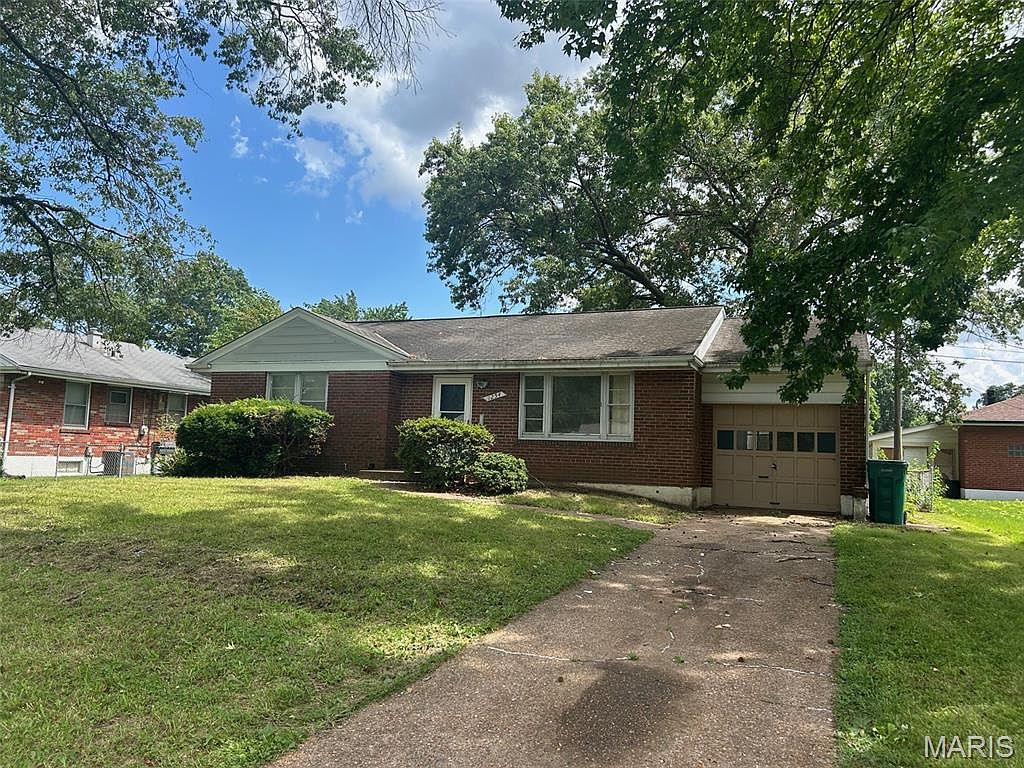
Saint Louis offers a budget‑friendly 4‑bed rental with a high cap rate, while Indianapolis provides a classic 2‑bed property with steady cash flow. Which Midwest market fits YOUR investment strategy?
We have much more inventory available than what you see on our website – Let us know about your requirement.
📈 Choose Your Winner & Contact Us Today!
Speak to a Norada Investment Counselor (No Obligation):
(800) 611-3060
Also Read:
- Top 10 Housing Markets Set to Deliver High ROI in 2026
- Top 10 Most Popular Housing Markets of 2025 for Homebuyers
- Will Real Estate Rebound in 2026: Top Predictions by Experts
- Housing Market Predictions for the Next 4 Years: 2026, 2027, 2028, 2029
- Housing Market Predictions for 2026 Show a Modest Price Rise of 1.2%
- Housing Market Predictions 2026 for Buyers, Sellers, and Renters
- 12 Housing Markets Set for Double-Digit Price Decline by Early 2026
- Real Estate Forecast: Will Home Prices Bottom Out in 2025?
- Housing Markets With the Biggest Decline in Home Prices Since 2024
- Why Real Estate Can Thrive During Tariffs Led Economic Uncertainty
- Rise of AI-Powered Hyperlocal Real Estate Marketing in 2025
- Real Estate Forecast Next 5 Years: Top 5 Predictions for Future
- 5 Hottest Real Estate Markets for Buyers & Investors in 2025