Well, it’s September 15, 2026, and if you were hoping for a good day to refinance your mortgage, today isn't it. The numbers are in, and the 30-year fixed refinance rate has climbed to 7.66%, a jump of 24 basis points from yesterday’s 7.42%. This isn't just a small blip; it’s a clear sign that refinancing just got a lot less appealing for many homeowners.
Mortgage Rates Today, September 15, 2026: 30-Year Refinance Rate Rises by 24 Basis Points
What’s Happening with Refinance Rates Right Now?
Let’s break down what the numbers are telling us, according to Zillow:
- 30-Year Fixed Refinance Rate: This is the big one for most people. Today, it’s at 7.66%. This is a significant jump from just last week when the average was a much lower 7.21%. That’s a 45-basis point increase in just seven days!
- 15-Year Fixed Refinance Rate: For those looking to pay off their mortgage faster, this rate has also gone up. It’s now at 6.58%, a 15-basis point increase from yesterday’s 6.43%.
- 5-Year Adjustable-Rate Mortgage (ARM) Refinance Rate: This option is holding steady at 6.00%. While ARMs can sometimes offer a lower initial rate, they come with the risk that your payment could go up later.
It’s important to remember that these are average national rates from Zillow. Your actual rate will depend on where you live, the specifics of your loan, and your credit history. Lenders are quoting these for us to get an idea, but the real deal can change based on the market.
Why Are Rates Going Up Again?
It feels like we’ve been in a bit of a tug-of-war with interest rates for a while now. Why the sudden upward push? It boils down to a couple of big economic stories that are playing out:
Sticky Economic Data & Inflation Watch
Think of the economy like a big, complex machine. Right now, some parts of that machine are running a little hotter than they should, especially when it comes to inflation. Even though we’ve seen some efforts to cool things down, inflation seems to be taking its sweet time going back to where we want it.
When the folks who watch the economy see that inflation isn’t dropping as fast as they hoped, they start to think that interest rates will have to stay higher for longer. This expectation influences what lenders charge for mortgages. It’s like a prediction about the future that starts to shape what’s happening today. Many experts are now saying we might be looking at these higher mortgage rates sticking around for at least the next year.
Plunging Refinance Demand
This is a big deal, and it's directly related to why I'm writing this article. When rates go up, refinancing becomes less attractive. Why would you want to get a new loan with a higher interest rate if your current one is lower?
The numbers from the Mortgage Bankers Association (MBA) are pretty clear:
- Refinance applications have dropped 6% in just one week.
- Compared to this time last year, refinance applications are down a massive 25%.
Digging deeper, data from Optimal Blue shows that the volume of people just looking to swap their current loan for a new one with a better rate (this is called “rate-and-term refinancing”) has fallen by a staggering 47% compared to last year. This makes sense! If the current rates offer little to no savings for most people with existing mortgages, why bother?
Critical Details to Evaluate Before Even Thinking About Refinancing
With rates sitting above 7% for a 30-year fixed, refinancing is really only a smart move if you’re in a very specific situation. I always tell people to think about these key points before they even talk to a lender:
The Break-Even Timeline
Refinancing isn't free. There are always closing costs, which can add up. Think of it like buying a new appliance. Even if it saves you money on your electricity bill each month, you have to pay for it upfront. For mortgages, these costs are usually between 2% and 5% of your loan amount.
Let’s do some simple math:
- Imagine your closing costs are $6,000.
- And your refinance saves you $150 each month.
- To break even, you'd need to stay in your home and keep that new mortgage for 40 months ($6,000 / $150 per month = 40 months).
If you're planning to move or sell your home before those 40 months are up, you'll actually lose money by refinancing. That's why understanding your break-even point is crucial.
Your Current Rate vs. Today's Rate
There used to be a simple rule: refinance if rates dropped by 1%. That was back when rates were much lower. Now, for a rate-and-term refinance to make sense, you really need to have locked in a mortgage during the peak of recent rate spikes, perhaps close to 8%, and be able to secure a significantly lower rate. If your current rate is already pretty good, jumping through the hoops and paying the fees for a small improvement might not be worth it.
Equity & Loan-to-Value (LTV)
Lenders like to see that you have a good amount of your home’s value already paid off. This is called equity. Generally, to get the best rates, lenders want your Loan-to-Value (LTV) ratio to be 80% or lower. This means you need to have at least 20% equity in your home.
If you have less than 20% equity, you might have to pay for Private Mortgage Insurance (PMI) on your new loan. This extra cost can easily eat up any savings you thought you’d get from refinancing, sometimes even making your monthly payment higher than before!
The “Reset” Effect
This is a bit of a sneaky one that many people don’t think about. Let’s say you’ve had your 30-year mortgage for 5 years. You’ve made payments, and you’ve built up some equity. If you refinance into a brand new 30-year mortgage, you’re essentially resetting your clock.
Even if your monthly payment goes down a little because of a lower interest rate, you might end up paying a lot more interest over the entire life of the loan because you’re starting the 30-year repayment period all over again. It’s like taking a shortcut that ends up being a longer road in the long run.
What Does This Mean for Homeowners?
Today's increase in mortgage rates, particularly for 30-year refinances, is a clear signal to homeowners. It’s a time to be cautious and to really do your homework. The easy money from refinancing that many enjoyed in the past just isn't as readily available.
If you’re thinking about refinancing, I strongly encourage you to:
- Talk to multiple lenders: Get quotes from different banks and mortgage companies to compare offers.
- Calculate your break-even point carefully: Make sure the savings will outweigh the costs.
- Understand your long-term goals: How long do you plan to stay in your home?
- Consider alternatives: Are there other financial strategies that might be better for you right now?
This is a moment for thoughtful financial planning, not impulsive decisions.
VS

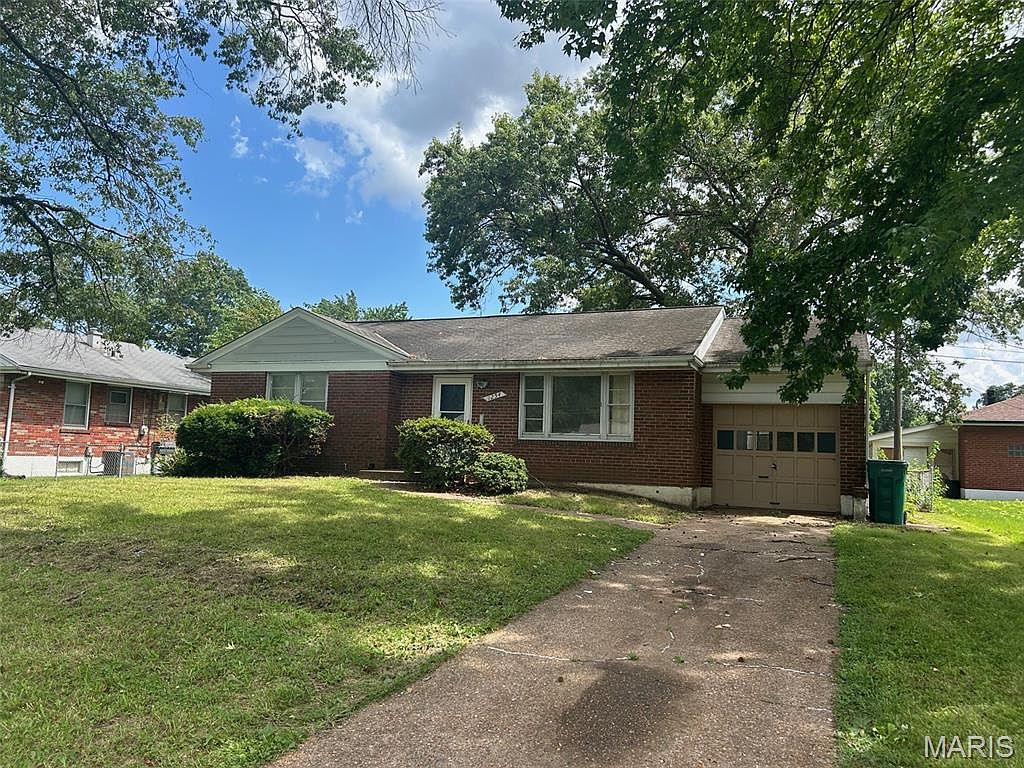
Saint Louis offers a budget‑friendly 4‑bed rental with a high cap rate, while Indianapolis provides a classic 2‑bed property with steady cash flow. Which Midwest market fits YOUR investment strategy?
We have much more inventory available than what you see on our website – Let us know about your requirement.
📈 Choose Your Winner & Contact Us Today!
Speak to a Norada Investment Counselor (No Obligation):
(800) 611-3060
Mortgage rates remain high in 2026, but rental properties continue to deliver strong cash flow and appreciation. Savvy investors know that turnkey real estate is the path to passive income and long‑term wealth.
Norada Real Estate helps you secure turnkey rental properties designed for immediate cash flow and appreciation—so you can invest smartly regardless of interest rate trends.
Also Read:
- Mortgage Rates Predictions Backed by 7 Leading Experts: 2025–2026
- Mortgage Rate Predictions for the Next 3 Years: 2026, 2027, 2028
- 30-Year Fixed Mortgage Rate Forecast for the Next 5 Years
- 15-Year Fixed Mortgage Rate Predictions for Next 5 Years: 2025-2029
- Will Mortgage Rates Ever Be 3% Again in the Future?
- Mortgage Rates Predictions for Next 2 Years
- Mortgage Rate Predictions for Next 5 Years
- Mortgage Rate Predictions: Why 2% and 3% Rates are Out of Reach
- How Lower Mortgage Rates Can Save You Thousands?
- How to Get a Low Mortgage Interest Rate?
- Will Mortgage Rates Ever Be 4% Again?