Today, September 15, 2026, mortgage rates crossed a major threshold: the 30-year fixed rose 11 basis points to 7.02%, topping 7% for the first time this cycle. The 15-year fixed dipped slightly to 6.32%, while the 5/1 ARM jumped sharply, up 48 basis points to 7.33%. Sticky inflation, a rising 10-year Treasury yield, and renewed global tensions are all fueling the climb. Here's the full rate breakdown, what's driving it, and how today compares to mortgage rates throughout history.
Today's Mortgage Rates, September 15: 30-Year Fixed Crosses 7% for the First Time in 2026
Current Mortgage Rates
Here’s a snapshot of what mortgage rates look like today, Tuesday, September 15, 2026, based on Zillow’s data:
| Mortgage Type | Rate |
|---|---|
| 30-year fixed | 7.02% |
| 20-year fixed | 6.84% |
| 15-year fixed | 6.32% |
| 5/1 ARM | 7.33% |
| 7/1 ARM | 6.94% |
| 30-year VA | 6.63% |
| 15-year VA | 6.02% |
| 5/1 VA | 6.14% |
As you can see, the 30-year fixed rate is up by 11 basis points today, reaching that 7.02% mark. It’s worth noting that the 15-year fixed rate actually dipped by 5 basis points to 6.32%, and the 5/1 ARM jumped a rather significant 48 basis points to 7.33%.
What's Driving This Rate Hike?
It’s not just one thing pushing these rates higher. Think of it like a pot of soup where several ingredients are simmering together.
- Sticky Inflation and the Fed's Balancing Act: The Federal Reserve is keeping a close eye on inflation. When prices keep going up, the Fed tends to keep interest rates higher to cool things down. This has made borrowing money more expensive across the board, and mortgage rates are definitely feeling that. I’ve always believed that what the Fed does with its main interest rate has a ripple effect, and it’s clearly reaching homeowners now.
- The 10-Year Treasury Yield's Climb: You might not hear about it much, but the 10-year U.S. Treasury yield is a big deal for mortgages. It’s like a close cousin to mortgage rates. When the yield on these government bonds goes up, so do mortgage rates. Right now, with the total U.S. public debt crossing a huge $40 trillion, investors are demanding more for their money, pushing that yield up and, in turn, our mortgage costs.
- Global Worries Stirring Things Up: Geopolitical events, like what’s happening in the Middle East, can really shake up the economy. When oil prices go up, it often leads to more inflation globally. This makes bond markets nervous, and they start expecting higher interest rates for a longer time, which again, pushes mortgage rates up.
Putting Today's Rates in Perspective
It’s easy to feel discouraged when rates go up, especially when we remember the super-low rates from a few years ago. But as I always try to remind people, it helps to look at the bigger picture.
- The “Modern Baseline” (Past Decade): For the last ten years or so, many borrowers got used to seeing average rates around 4.2%. These current rates above 7% are a big departure from that, and that’s a major reason why buying a home feels so much harder for many right now.
- The Pandemic Anomaly (2021): Back in January 2021, we saw rates hit an unbelievable low of 2.65%. It was a unique time, driven by a lot of emergency money being put into the economy. Today’s rates are more than double that, which can feel like a shock.
- The Long-Term Historical Standard (Since 1971): If we look way back, since Freddie Mac started tracking this data, the average 30-year fixed rate has been around 7.23%. This means that, compared to the long history of mortgage rates in America, today’s rates are actually not that unusual. They’re still much, much lower than the peak we saw in October 1981, which was a staggering 18.63%! It’s a good reminder that what feels “high” now might be more of a return to the norm than a completely new phenomenon.
My Thoughts on Navigating These Numbers
In my experience, when rates are on the move like this, the absolute best thing you can do is be proactive and shop around.
Why Shopping Around is Your Superpower Right Now:
Lenders don’t all react the same way to market changes. Some might offer slightly better deals than others. Studies I’ve seen show that people who don't compare different lenders can end up paying tens of thousands of dollars more over the life of their loan. That’s a huge amount of money!
Here’s my action plan for you:
- Get Multiple Quotes (3 to 5 is Key!): On the exact same day, ask for official Loan Estimates from at least three to five different lenders. This way, you can compare apples to apples – looking at the interest rate and any fees they charge.
- Look at Different Loan Types: Don't just stick to the 30-year fixed. Today, things like FHA loans (around 6.41%) and VA loans (around 6.51%) are actually priced lower than conventional 30-year loans. These could be fantastic options for certain buyers.
- Negotiate Seller Concessions: With rates higher, fewer people are buying homes. This can give you more power as a buyer. Try to get the seller to help you out by paying for some of your closing costs or even a temporary rate buy-down. This can artificially lower your interest rate for the first couple of years, making your monthly payments more manageable. I’ve seen this work wonders for my clients.
Crossing 7% is a real threshold, but it's worth remembering that today's rate still sits well below the long-run historical average of 7.23% dating back to 1971 — and far below the 18.63% peak of October 1981. That context doesn't make today's payments any smaller, but it's a useful reminder that rates in the 7% range aren't historically unusual, even if they feel that way after a decade near 4%. For buyers, FHA and VA loans remain meaningfully cheaper than the standard 30-year fixed and are worth a closer look.
VS
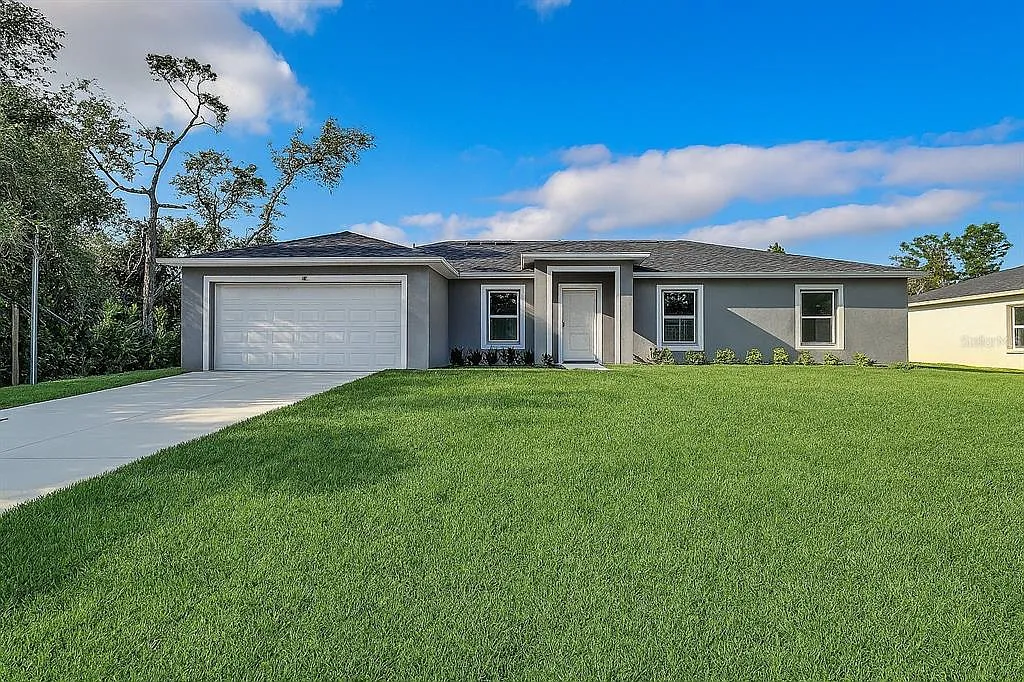
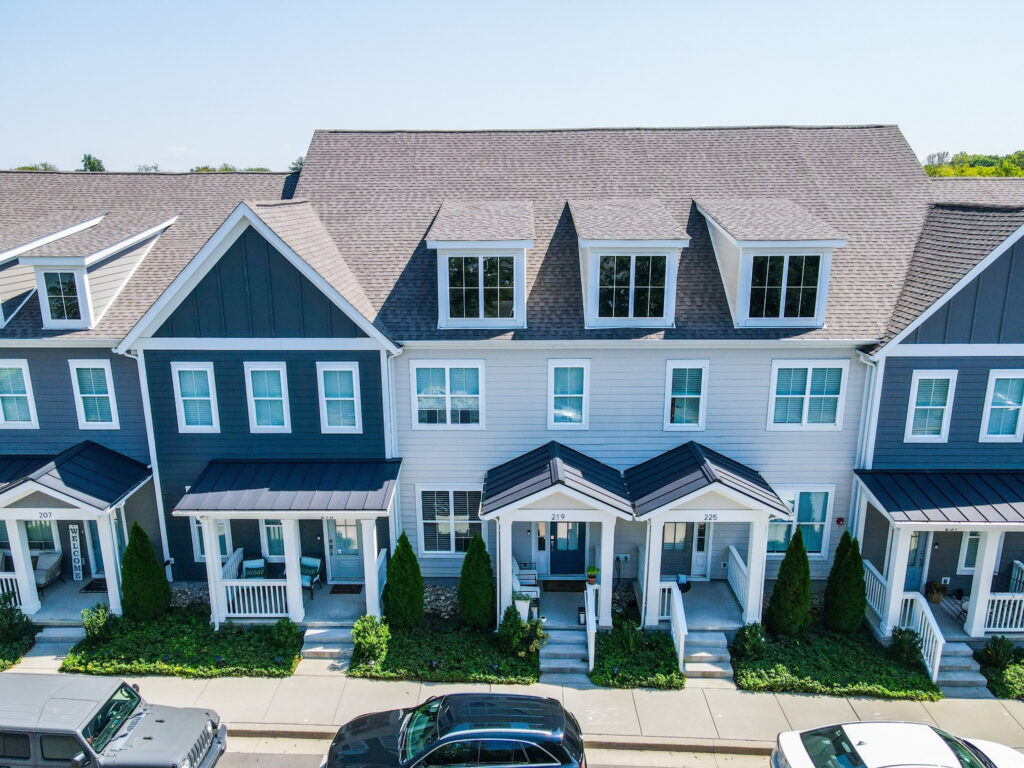
Out‑of‑State investors can compare Tennessee’s newer rental with higher NOI vs Florida’s A+ property with strong yield. Which fits YOUR investment strategy?
We have much more inventory available than what you see on our website – Let us know about your requirement.
📈 Choose Your Winner & Contact Us Today!
Speak to a Norada Investment Counselor (No Obligation):
(800) 611-3060
Mortgage rates remain high in 2026, but rental properties continue to deliver strong cash flow and appreciation. Savvy investors know that turnkey real estate is the path to passive income and long‑term wealth.
Norada Real Estate helps you secure turnkey rental properties designed for immediate cash flow and appreciation—so you can invest smartly regardless of interest rate trends.
Also Read:
- Mortgage Rates Predictions Backed by 7 Leading Experts: 2025–2026
- Mortgage Rate Predictions for the Next 3 Years: 2026, 2027, 2028
- 30-Year Fixed Mortgage Rate Forecast for the Next 5 Years
- 15-Year Fixed Mortgage Rate Predictions for Next 5 Years: 2025-2029
- Will Mortgage Rates Ever Be 3% Again in the Future?
- Mortgage Rates Predictions for Next 2 Years
- Mortgage Rate Predictions for Next 5 Years
- Mortgage Rate Predictions: Why 2% and 3% Rates are Out of Reach
- How Lower Mortgage Rates Can Save You Thousands?
- How to Get a Low Mortgage Interest Rate?
- Will Mortgage Rates Ever Be 4% Again?