As of Monday, August 31, 2026, a purchase mortgage costs a little more than a refinance. The 30-year fixed purchase rate is 6.55%, four basis points above the refinance rate for the same term. The difference is small, but it is the figure that matters if you are choosing between buying and refinancing.
Today's Mortgage Rates August 31: 30-Year Fixed at 6.55%, Purchase Beats Refinance
The numbers for today's mortgage rates on August 31, 2026, show that borrowing money for a home is still a bit on the pricier side. Based on the latest information from Zillow, the rates for buying a house are a tiny bit higher than for those looking to refinance. This might sound small, just a few “basis points” (which are like small percentage chunks), but it can add up when you're talking about loans that last for many years.
What Are the Mortgage Rates Today?
Here’s a look at the numbers as of Monday, August 31, 2026, directly from Zillow:
| Loan Type | Interest Rate |
|---|---|
| 30-year fixed | 6.55% |
| 20-year fixed | 6.46% |
| 15-year fixed | 5.91% |
| 5/1 ARM | 6.26% |
| 7/1 ARM | 6.11% |
| 30-year VA | 6.11% |
| 15-year VA | 5.91% |
| 5/1 VA | 6.02% |
Note: These rates are for purchase mortgages, meaning when you're buying a new home.
As you can see, the 30-year fixed purchase rate is at 6.55%. This is the most common type of mortgage, and it means your monthly payment of principal and interest will stay the same for 30 years. It's a great option for stability.
For those looking for a shorter loan term or lower payments over time, the 15-year fixed purchase rate is 5.91%. This rate is usually lower than the 30-year fixed, but your monthly payments will be higher because you're paying off the loan faster.
Then there are Adjustable-Rate Mortgages (ARMs), like the 5/1 ARM at 6.26%. This type of loan has a fixed interest rate for the first five years, and then the rate can change each year after that, based on market conditions. They often start with lower rates than fixed mortgages, which can be appealing, but they come with the risk of your payments going up later.
Why Are Rates Being Stubborn?
So, why aren't these rates dipping lower, like we all hoped? It’s not just one thing; it’s a mix of important factors that keep borrowing costs from going down. Think of it like a recipe where several ingredients need to be just right for the final dish to taste a certain way.
1. The 10-Year Treasury Yield: The Mortgage Rate's Best Friend (or Foe)
Mortgage rates don't just magically follow what the big bank (the Federal Reserve) does with its main interest rate. Instead, they tend to dance pretty closely with something called the 10-year U.S. Treasury yield. Right now, this yield is hovering around 4.71% to 4.72%. Throughout August, this yield has been pushed upwards, and that’s a big reason why mortgage rates are stuck in that mid-to-high 6% range. When the government has to pay more to borrow money for 10 years, it means lenders have to charge more for mortgages too.
2. Inflation: The Party Pooper for Lower Rates
Inflation is like a sneaky gremlin that eats away at the value of money. Even though some numbers looked a little better earlier this summer, the core inflation rate is still a bit too high at 3.3%. The Federal Reserve has a target of 2.0%, and until they feel confident that inflation is truly under control, they're going to be cautious about lowering interest rates.
In fact, the new Fed Chair, Kevin Warsh, gave a speech recently where he basically said that inflation hasn't improved enough and that the Fed is ready to raise rates if they have to. This talk has made people think there's a higher chance of an interest rate hike in the upcoming September meeting, making hopes for a rate cut fade away.
3. Global Unrest and Oil Prices
What happens far away can affect our wallets right here at home. The ongoing situation in Iran has really messed with the world's oil supply. This caused oil prices to jump way up earlier this year. When oil gets expensive, it costs more to make and move pretty much everything, from the food we eat to the clothes we wear. This constant worry about energy costs keeps people thinking that prices might go up, which is another reason why mortgage rates aren't budging much.
4. The Big Pile of National Debt
The U.S. government has a lot of debt, and it needs to borrow more money to pay for things. This means a huge amount of new government debt is being added to the market. To manage this, the Treasury Secretary is focusing on borrowing money for shorter periods. While this helps keep long-term interest rates from skyrocketing, it makes the government's finances very sensitive to even small changes in short-term interest rates. When there’s so much debt available, investors demand higher returns, which translates to higher mortgage rates for us.
Is This a Good Time to Buy or Refinance?
This is the million-dollar question, isn't it? For buyers, facing rates like these can feel like trying to climb a steep hill. However, it's important to remember that homeownership is a long-term game. If you’ve found a home you love and that fits your budget, even at these rates, it might still be the right time for you. The key is to focus on what you can afford and what makes sense for your family’s future.
For those thinking about refinancing, the current rates might not be as exciting as they would have been a year or two ago when rates were much lower. However, if you can find a refinance rate that is significantly lower than your current mortgage rate, it could still save you money over the life of your loan. It’s always worth comparing offers and doing the math to see if it makes sense for your situation.
My personal take is that while nobody likes higher borrowing costs, the housing market is always changing. What matters most is your personal financial situation. Can you comfortably afford the monthly payments? Do you plan to stay in the home for a long time? These are the questions that really guide your decision, more than just the exact percentage on a given day.
Looking Ahead
Rates on August 31 are still in the mid-6% range, and a sharp drop is not the near-term base case. If you are buying or refinancing, compare several lenders and check the payment against how long you plan to keep the loan. A mortgage professional can match product type and pricing to your credit, down payment, and timeline; the national average is only a starting point.
VS
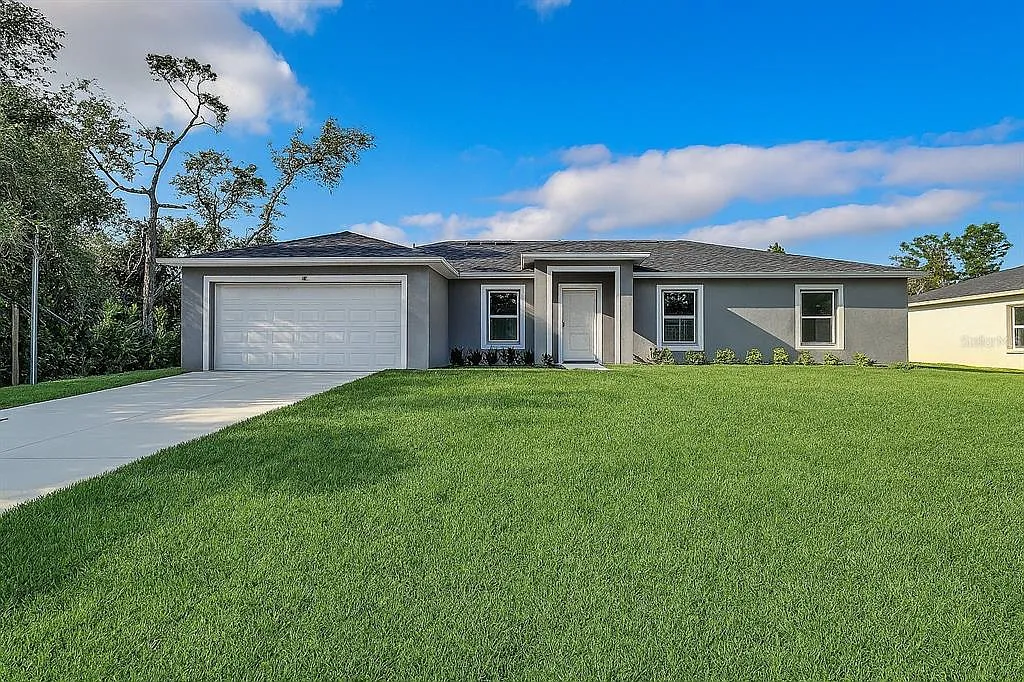
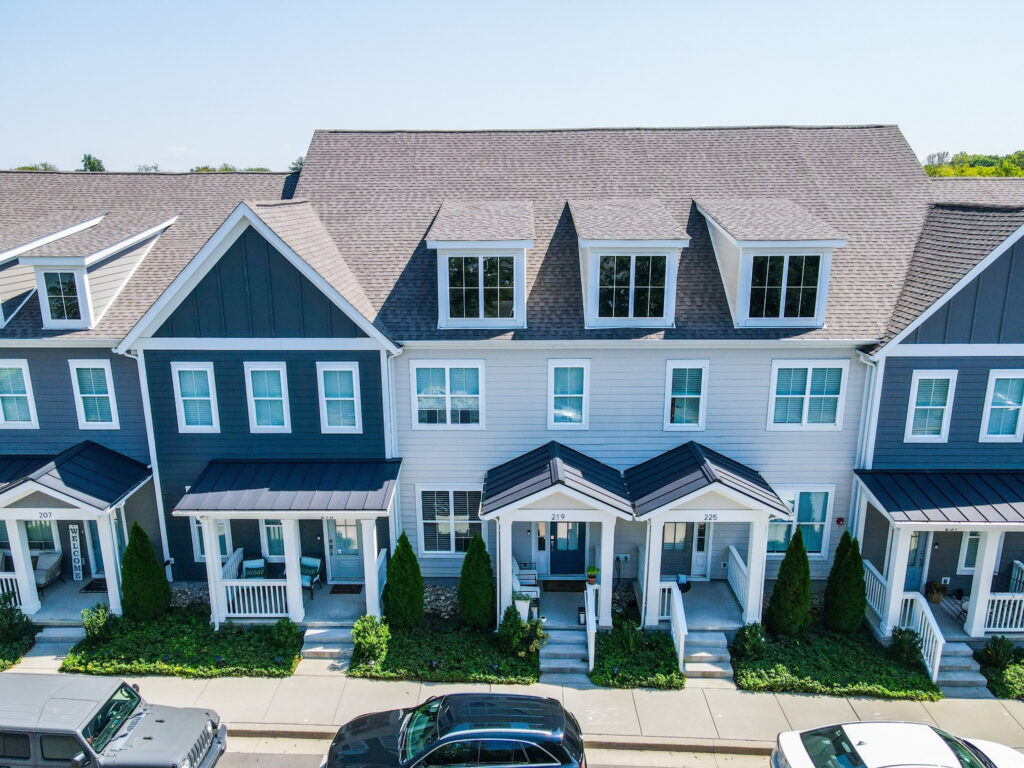
Out‑of‑State investors can compare Tennessee’s newer rental with higher NOI vs Florida’s A+ property with strong yield. Which fits YOUR investment strategy?
We have much more inventory available than what you see on our website – Let us know about your requirement.
📈 Choose Your Winner & Contact Us Today!
Speak to a Norada Investment Counselor (No Obligation):
(800) 611-3060
Mortgage rates remain high in 2026, but rental properties continue to deliver strong cash flow and appreciation. Savvy investors know that turnkey real estate is the path to passive income and long‑term wealth.
Norada Real Estate helps you secure turnkey rental properties designed for immediate cash flow and appreciation—so you can invest smartly regardless of interest rate trends.
Also Read:
- Mortgage Rates Predictions Backed by 7 Leading Experts: 2025–2026
- Mortgage Rate Predictions for the Next 3 Years: 2026, 2027, 2028
- 30-Year Fixed Mortgage Rate Forecast for the Next 5 Years
- 15-Year Fixed Mortgage Rate Predictions for Next 5 Years: 2025-2029
- Will Mortgage Rates Ever Be 3% Again in the Future?
- Mortgage Rates Predictions for Next 2 Years
- Mortgage Rate Predictions for Next 5 Years
- Mortgage Rate Predictions: Why 2% and 3% Rates are Out of Reach
- How Lower Mortgage Rates Can Save You Thousands?
- How to Get a Low Mortgage Interest Rate?
- Will Mortgage Rates Ever Be 4% Again?