Norada Real Estate Investments

  • Home
  • Markets
  • Properties
  • Membership
  • Podcast
  • Learn
  • About
  • Contact

Archives for March 2025

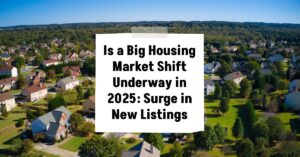
Is a Big Housing Market Shift Underway in 2025?

March 4, 2025 by Marco Santarelli

Is a Big Housing Market Shift Underway in 2025?

Are you thinking about buying or selling a home? Or maybe you're just curious about what's happening in the real estate world? Well, let's dive into what the housing market trends in 2025 are shaping up to be. Based on the latest data, the market is showing signs of cooling down, offering a bigger selection of homes for buyers and more price negotiation opportunities. However, the affordability issue continues to persist.

Is a Big Housing Market Shift Underway in 2025?

For a long time, it felt like sellers had all the power. But the tide seems to be turning, ever so slightly. One of the biggest shifts I'm seeing is an increase in the number of homes being listed for sale. According to a recent Redfin report, new listings rose by 7.9% compared to last year. That's the biggest jump we've seen in quite a while!

What does this mean for you? More options! Think of it like walking into a store with a fully stocked shelf, instead of just a few items to choose from. This boost in active listings is giving buyers more power to be selective.

Demand is Cooling Off: A Sigh of Relief for Some

While new listings are up, buyer demand has been a bit sluggish. Pending sales are down 8.1% compared to last year. Even though there's been a small uptick from last month, it's still not a huge surge. This slowdown in demand is important because it gives buyers more breathing room. You're less likely to find yourself in a crazy bidding war, which can be stressful and push prices up unnecessarily.

The Redfin Homebuyer Demand Index, which measures how many people are touring homes and using other Redfin services, is also hovering near its lowest level since last spring. This tells me that people are being more cautious and taking their time before making a move.

More Supply, Less Pressure: Homes Selling for Under Asking Price

The combination of more homes on the market and less frantic buying activity is having an impact on prices. We're starting to see homes sell for under their original asking price. In fact, the typical home is selling for about 2% less than what the seller initially wanted. This is the biggest discount we've seen in about two years.

This doesn't mean that home prices are crashing. It just means that the days of automatically getting above asking price are likely over, at least for now. Buyers have more leverage to negotiate and potentially get a better deal.

The Affordability Challenge: Still a Major Hurdle

Even with homes selling for a bit less, affordability remains a huge issue. High home prices and mortgage rates are still making it tough for many people to become homeowners. The median monthly housing payment is sitting at around $2,784, which is up 8.3% from last year and just a stone's throw away from the all-time high.

While daily average mortgage rates did dip below 7% recently, that's still considerably higher than what we've seen in the past few years. These higher rates can add hundreds of dollars to your monthly payment, making it harder to qualify for a mortgage and putting a strain on your budget.

Why Are Buyers Hesitating?

There are a few reasons why buyers are being more cautious:

  • High Costs: As I mentioned, home prices and mortgage rates are still a major concern. People are hesitant to stretch their finances too thin.
  • Economic Uncertainty: There's still some uncertainty about the economy, with ongoing discussions about interest rates, inflation, and potential policy changes. Some buyers are waiting to see how things play out before making a big purchase.
  • Winter Weather: Let's not forget the weather! Snow and cold temperatures in many parts of the country kept some house hunters indoors during January.

Expert Insights and Regional Variations

Joe Paolazzi, a Redfin Premier agent in Pittsburgh, points out that some homeowners were holding off listing their homes, waiting for mortgage rates to drop or market conditions to improve. Now that rates have declined somewhat, they are jumping into the market.

“Sellers are also noticing that even though there are fewer buyers in the market than usual, the buyers who are on the hunt are serious and willing to pay a fair price,” he says. He even notes that bidding wars are still happening in desirable neighborhoods and for investment properties.

It's important to remember that the housing market is not a one-size-fits-all situation. What's happening in one city might be very different from what's happening in another. Let's take a look at some regional trends:

  • Price Increases: Pittsburgh saw a whopping 15.7% increase in median sale price year-over-year. Other areas with significant increases include New Brunswick, NJ, Newark, NJ, Nassau County, NY, and Fort Lauderdale, FL.
  • Price Decreases: On the other hand, Austin, TX, saw a 5.5% decrease in median sale price. Other areas with declines include Tampa, FL, San Francisco, Jacksonville, FL, and Atlanta.
  • Pending Sales: Portland, OR, experienced a 7.1% increase in pending sales, while Miami saw a dramatic 21.6% decrease.
  • New Listings: Orlando, FL, had a huge surge in new listings (27.7%), while Detroit saw a decline (13.9%).

Recommended Read:

Will Trump Lower Mortgage Interest Rates in 2025?

Weekly Housing Market Trends: What’s Happening in 2025?

US Housing Market Sees Worst Year for Sales Since 1995

Key Housing Market Data (Four Weeks Ending Feb. 2, 2025)

To give you a clearer picture, here's a table summarizing some key data points:

Metric Value Year-over-Year Change Notes
Median Sale Price $376,750 4.6%
Median Asking Price $412,157 5.7%
Median Monthly Mortgage Payment $2,784 8.3% At a 6.95% mortgage rate; $21 shy of April's all-time high
Pending Sales 65,603 -8.1%
New Listings 76,194 7.9% Biggest increase in 5 weeks
Active Listings 897,798 12.5% Smallest increase in nearly a year
Months of Supply 5 +0.6 pts. Longest span since Feb. 2019, except the prior 4-week period
Share of Homes Off Market in 2 Weeks 29% Down from 32%
Median Days on Market 55 +6 days Longest span in nearly 5 years
Share of Homes Sold Above List Price 20.7% Down from 22%
Average Sale-to-List Price Ratio 98% Down from 98.1%

What Does This Mean for Buyers?

If you're a buyer, this shift in the market could be good news. Here's what I recommend:

  • Take Your Time: Don't feel rushed. With more inventory, you have the luxury of being patient and finding the right home for you.
  • Shop Around for Mortgage Rates: Get quotes from multiple lenders to find the best interest rate possible. Even a small difference in rate can save you thousands of dollars over the life of the loan.
  • Negotiate: Don't be afraid to make an offer below the asking price, especially if the home has been on the market for a while.
  • Consider Your Long-Term Needs: Think about your future plans. How long do you plan to stay in the home? What are your priorities in terms of location, size, and amenities?

What Does This Mean for Sellers?

If you're a seller, you might need to adjust your expectations. Here's my advice:

  • Price Your Home Competitively: Work with your real estate agent to determine a realistic asking price based on current market conditions in your area.
  • Make Necessary Repairs and Improvements: Make sure your home is in good condition and shows well. Fix any obvious problems and consider making some cosmetic upgrades to make it more appealing to buyers.
  • Be Patient: It might take longer to sell your home than it would have a year or two ago. Be prepared to wait for the right offer.
  • Consider Offering Incentives: To attract buyers, you could offer incentives like paying for some of the closing costs or including appliances in the sale.

My Final Thoughts: Cautious Optimism

The housing market in 2025 is certainly in a state of flux. While affordability challenges persist, the increase in inventory and the slight cooling of demand could offer some relief to buyers. It's a market that requires careful planning, realistic expectations, and a good understanding of local conditions. I think we will see some positive changes in the later half of the year, but, it’s too early to be assertive.

Remember, the best approach is to stay informed, work with experienced professionals, and make decisions that are right for your individual circumstances.

Work with Norada in 2025, Your Trusted Source for Investment

in the Top Housing Markets of the U.S.

Discover high-quality, ready-to-rent properties designed to deliver consistent returns.

Contact us today to expand your real estate portfolio with confidence.

Contact our investment counselors (No Obligation):

(800) 611-3060

Get Started Now 

Recommended Read:

  • New Tariffs Could Trigger Housing Market Slowdown in 2025
  • Housing Market Forecast 2025: Affordability Crisis Will Continue
  • Lower Mortgage Rates Will Reignite the Housing Demand in 2025
  • NAR Predicts 6% Mortgage Rates in 2025 Will Boost Housing Market
  • Housing Market Forecast for the Next 2 Years: 2024-2026
  • Housing Market Predictions for the Next 4 Years: 2025 to 2028
  • Housing Market Predictions for Next Year: Prices to Rise by 4.4%
  • Housing Market Predictions for 2025 and 2026 by NAR Chief
  • Real Estate Forecast Next 5 Years: Top 5 Predictions for Future
  • 2008 Forecaster Warns: Housing Market 2024 Needs This to Survive
  • Real Estate Forecast Next 10 Years: Will Prices Skyrocket?
Filed Under: Housing Market, Real Estate Market Tagged With: Housing Market, Housing Market 2025, housing market crash, Housing Market Forecast, housing market predictions, Housing Market Trends, Real Estate Market

Fresno Housing Market Prices and Forecast 2025-2026

March 3, 2025 by Marco Santarelli

Fresno Housing Market

Are you thinking about buying or selling a home in Fresno? Understanding the current Fresno housing market trends is crucial for making informed decisions. As of January 2025, the Fresno housing market is competitive, with median home prices around $390,000, up 6.6% from last year. Homes are selling quickly, typically in about 32 days. Let's dive into a more detailed look at what's happening in the Fresno real estate market.

Current Fresno Housing Market Trends: What You Need to Know

Home Sales

The number of homes sold in Fresno has seen a slight dip. According to Redfin, in January 2025, 208 homes were sold, compared to 216 in the same period last year. This represents a 3.7% decrease year-over-year. While this isn't a dramatic decline, it's important to keep an eye on this trend to see if it persists in the coming months. This could be due to factors like seasonal slowdowns or hesitation from both buyers and sellers given the current economic climate.

Home Prices

Here's the key takeaway for anyone considering a move: home prices in Fresno are on the rise. The median sale price in January 2025 reached $390,000, marking a 6.6% increase compared to January 2024. This upward trend suggests that demand for homes in Fresno remains strong.

Are Home Prices Dropping?

While there are always fluctuations, the data suggests that home prices aren't dropping in Fresno. In fact, they're going up. However, it's essential to remember that the real estate market can change quickly. It's smart to monitor the market closely and consult with a local real estate professional for the most up-to-date advice. It's all about timing and the specific neighborhood you're interested in.

Comparison with Current National Median Price

It's helpful to put the Fresno housing market in perspective by comparing it to the national average. As of January 2025, the national median home price is $396,900, with a year-over-year change of +4.8%. This means that the median home price in Fresno ($390,000) is 1% lower than the national average.

Here's a quick comparison:

Location Median Sale Price Year-over-Year Change
Fresno, CA $390,000 +6.6%
United States $396,900 +4.8%

This comparison highlights that while Fresno's home prices are increasing, they are slightly lower than the overall national median price, making Fresno an attractive place to purchase a home.

Housing Supply

Currently, the housing supply in Fresno is limited. While I don't have specific numbers on inventory, the fact that homes are selling in around 32 days suggests that there's a healthy demand and that homes aren't sitting on the market for very long. This tight housing supply is likely contributing to the upward pressure on prices. Keep in mind that housing supply is a key factor, and more houses available may balance the prices a bit.

Is It a Buyer's or Seller's Housing Market?

Based on the data, Fresno is leaning towards a seller's market. Here's why:

  • Rising Home Prices: Indicate strong demand and limited supply.
  • Quick Sales: Homes are selling relatively quickly (around 32 days), suggesting high buyer interest.
  • Competitive Market: Homes receive, on average, 2 offers.

In a seller's market, homeowners have more leverage, and buyers may need to be more aggressive with their offers. This can also mean bidding wars for desirable properties.

Market Trends

To give you a better picture, let's break down some key market trends shaping the Fresno housing market:

  • Migration Patterns: A significant portion of homebuyers searching in Fresno are looking to move out of the area. Top destinations include Sacramento, San Luis Obispo, and Portland. However, there's also an influx of buyers moving to Fresno, primarily from San Francisco, Los Angeles, and Visalia. This migration trend can impact demand and influence housing prices.
  • Sale-to-List Price Ratio: In January 2025, the sale-to-list price ratio in Fresno was 98.7%, a decrease of 1.0 percentage points year-over-year. This means that homes are selling for slightly below the asking price, which can mean it can be a good time to buy.
  • Homes Sold Above List Price: In January 2025, 29.8% of homes sold above the list price, a decrease of 6.8 percentage points year-over-year. While some homes are still attracting bidding wars, the percentage is declining.

Impact of high mortgage rates

The current mortgage rate environment plays a significant role in the Fresno housing market. As of early March 2025, the average 30-year fixed mortgage rate is around 6.5%, and most forecasts predict it to remain at or slightly above this level.

High mortgage rates can have a cooling effect on the market. They make it more expensive to borrow money, which can reduce buyer demand. This increased cost of financing can affect home affordability and influence how much buyers are willing to spend.

However, despite high mortgage rates, the Fresno housing market remains relatively resilient, suggesting strong underlying demand. Potential homebuyers are likely adjusting to the new normal and are still motivated to purchase homes, even with higher borrowing costs.

Here is a summary of the Fresno Housing Market

Aspect Data (January 2025) Trend
Median Sale Price $390,000 Up 6.6% year-over-year
Number of Homes Sold 208 Down 3.7% year-over-year
Median Days on Market 32 Same as last year
Sale-to-List Price Ratio 98.7% Down 1.0 percentage point year-over-year
Homes Sold Above List Price 29.8% Down 6.8 percentage points year-over-year
Mortgage Rates ~6.5% Expected to remain stable or slightly above current levels

My Thoughts on Current Trends

As someone deeply involved in real estate, I've seen the Fresno housing market go through many changes. While the current trends indicate a competitive market with rising prices, it's essential to stay informed and make decisions that align with your individual circumstances.

The combination of high mortgage rates, increasing home prices, and limited housing supply makes it essential to approach the market with patience and careful planning. Whether you're buying or selling, working with a trusted real estate professional is crucial for navigating the complexities of the Fresno housing market and achieving your goals.

Fresno Housing Market Forecast: What's Coming in 2025 & Beyond?

You're probably wondering what's going to happen with home prices. According to the latest Fresno housing market forecast, experts at Zillow predict a slight increase in home values over the next year. While nobody has a crystal ball, let’s dive into the details and see what the data suggests for Fresno and how it stacks up against other California cities.

What the Numbers Say: Fresno Home Price Predictions

Zillow's most recent data, as of January 31, 2025, gives us some interesting insights. Here's a breakdown of what they're projecting for the Fresno, CA, housing market:

  • February 2025: A 0.2% increase is expected.
  • April 2025: A 0.6% increase is anticipated.
  • January 2025 to January 2026: A 1% increase is the overall 1-year forecast.

So, based on this, it looks like Fresno home values are expected to slowly and steadily appreciate. This suggests a stable, though not booming, market for the near future.

Fresno vs. Other California Cities: A Quick Comparison

To put Fresno's forecast into perspective, let's see how it compares to other major metropolitan areas in California:

City February 2025 Forecast April 2025 Forecast Jan 2025 – Jan 2026 Forecast
Fresno, CA 0.2% 0.6% 1%
Sacramento, CA 0% 0.2% -0.5%
San Jose, CA -0.5% -2.4% -2.4%
Bakersfield, CA 0.3% 0.9% 2.2%
Oxnard, CA 0.1% 0.5% 0.7%
Stockton, CA 0.1% 0.4% 0%
Modesto, CA 0.1% 0.4% 0.5%
Santa Rosa, CA -0.1% 0.1% -1.9%
Visalia, CA 0.3% 0.9% 1.6%
Vallejo, CA 0% 0.2% -1.2%

As you can see, Fresno is holding its own, with projections indicating moderate growth compared to some cities experiencing potential dips in home values. Bakersfield and Visalia are expected to see higher growth.

Will Home Prices Drop in Fresno? Will It Crash?

Based on Zillow’s projections, a housing market crash in Fresno seems unlikely in the immediate future. While a 1% increase isn't a huge jump, it suggests continued, albeit slow, appreciation. A significant drop in prices would require major economic shifts that aren't currently predicted. Of course, things can change, and it's important to stay informed.

My Thoughts and a Look Beyond 2025

Having followed the Fresno real estate market for some time, my take is that the area benefits from relative affordability compared to coastal California. This makes it attractive to those seeking a more budget-friendly lifestyle, which in turn supports demand.

Predicting beyond 2025 gets trickier. Factors like interest rates, job growth in the Central Valley, and overall economic conditions will all play a role. If these remain stable or improve, we could see continued modest growth. However, any significant economic downturn could certainly impact the market.

As far as the Fresno housing market is concerned, my personal opinion is that the 2026 predictions depend on a number of factors but a slow steady growth is predicted. I feel the demand for housing will remain consistent while the supply struggles to catch up. Hence prices will slightly go up in 2026.

Is Fresno Real Estate a Smart Investment?

You're thinking about investing in real estate, but the market can be overwhelming. You've heard about booming cities like San Francisco and Los Angeles, but what about Fresno? Is it worth considering Fresno real estate as an investment? The short answer is yes, but there are a few things you should know before diving in.

Fresno is California's fifth largest city, and it's rapidly growing in popularity amongst investors. Located in the heart of the San Joaquin Valley, Fresno is a major agricultural center and boasts a robust economy. But is it a good time to buy? Let's break down the key factors that make Fresno a compelling option.

Pros of Investing in Fresno Real Estate

1. Affordable Housing Market: Compared to major metropolitan areas in California, Fresno offers significantly more affordable housing. According to Zillow, the median home value in Fresno is $384,076, while in San Francisco, it's a whopping $1.3 million. This affordability makes Fresno attractive to both first-time homebuyers and seasoned investors seeking high returns on investment.

2. Strong Rental Demand: Fresno has a strong rental market with consistently high occupancy rates. As of 2023, the vacancy rate in Fresno is around 4%, which is considered low. This means that finding tenants and generating rental income is relatively easy for landlords. The demand for rental properties is driven by factors like a growing population, a large student population, and a relatively low cost of living.

3. Economic Growth: Fresno's economy is diversified, with a significant presence in agriculture, healthcare, and manufacturing. The city also boasts a growing technology sector. In 2022, the unemployment rate in Fresno was 5.7%, reflecting a strong job market. This economic growth is attracting new residents and businesses, further bolstering the demand for housing.

4. Central Location: Fresno's location in the heart of California offers easy access to other major cities, including San Francisco, Los Angeles, and San Jose. It also serves as a gateway to Yosemite National Park and other popular destinations. This strategic location makes Fresno appealing for businesses and residents alike, contributing to its growing popularity.

5. Government Initiatives: The Fresno City Council has implemented a number of initiatives to promote economic development and improve quality of life, including investing in infrastructure, promoting affordable housing projects, and attracting new businesses. These efforts are creating a positive environment for investment and growth.

Cons of Investing in Fresno Real Estate

While Fresno offers several advantages for investors, it's important to acknowledge some potential drawbacks as well:

1. Limited Job Opportunities: Compared to larger cities, Fresno may have fewer high-paying job opportunities, particularly in specific industries like finance or technology. This could affect long-term appreciation of your investment.

2. High Crime Rates: Fresno has historically had higher crime rates than other major California cities. While this issue is being addressed, it's something investors should be aware of.

3. Limited Public Transportation: Fresno's public transportation system is not as comprehensive as in other cities. This could be a challenge for residents who rely on public transportation to get around.

4. Air Quality: Fresno's air quality is considered among the worst in the nation due to agricultural practices and other factors. This could be a concern for some potential homebuyers.

5. Limited Housing Options: While Fresno offers affordable housing, the selection might be less diverse compared to larger cities, with fewer high-end properties available.

Conclusion:

Overall, investing in Fresno real estate offers a unique set of pros and cons. Fresno's affordable housing, strong rental demand, growing economy, and central location make it an attractive market for investors seeking long-term returns. However, it's important to consider factors like crime rates, limited job opportunities, and air quality before making a decision.

Ultimately, your decision to invest in Fresno real estate should be based on your individual financial goals, risk tolerance, and long-term investment strategy. Do your research, compare investment options, and consider consulting with a local real estate professional to get personalized advice.

Read More:

  • Southern California Housing Market Prices and Forecast 2025
  • California Housing Market: Prices, Trends, Forecast 2025-2026
  • Real Estate Forecast Next 5 Years California: Crash or Boom?
  • California Housing Market Predictions for Next 2 Years: 2025-2026
  • 13 Housing Markets in California Face High Risk of Decline
  • Will Housing Prices Drop in 2025 in California?

Filed Under: Growth Markets, Housing Market, Real Estate Investing

Fort Wayne Housing Market Prices and Forecast 2025-2026

March 3, 2025 by Marco Santarelli

Fort Wayne Housing Market Prices and Forecast 2025-2026

Let's dive into what's happening in the Fort Wayne housing market! If you're looking to buy, sell, or just stay informed, you've come to the right place. Right now, the Fort Wayne housing market is showing to be very competitive, with median home prices at $203K as of January 2025, up 4.6% from last year. While prices are up, it's crucial to understand the nuances of the market to make the best decisions.

Current Fort Wayne Housing Market Trends and Forecast

Home Sales

Let's break down the numbers. According to Redfin, as of January 2025, there were 167 homes sold in Fort Wayne. It's important to note that this is a decrease of 7.2% compared to the same time last year, when 180 homes were sold. While this might seem like a big drop, it’s important to look at the bigger picture. One month doesn't make a trend.

Home Prices

Here's what everyone wants to know: how much are homes actually selling for? The median sale price in Fort Wayne is $203,000. Additionally, the median sale price per square foot in Fort Wayne is $127, up 7.6% since last year. This means that homes are appreciating, and sellers are getting more per square foot than they were a year ago.

Are Home Prices Dropping?

That's the million-dollar question, isn't it? While the number of homes sold is down slightly, the median sale price is still up. This suggests that while fewer homes are changing hands, the demand for those available is keeping prices afloat. To see if we can expect prices to drop anytime soon, it's imperative to look at the supply and demand dynamic and mortgage rates.

Comparison with Current National Median Price

Now, let’s put things in perspective. The national median home price is currently $396,900, which is a +4.8% year-over-year change as of January 2025. Fort Wayne's median sale price of $203,000 is significantly lower, making it a potentially attractive option for those seeking more affordable housing. Fort Wayne's median sale price is 49% lower than the national average.

Housing Supply

The number of homes available for sale plays a huge role in determining market conditions. With 167 homes sold in January, it's essential to know how many homes were actually on the market. The more homes available, the more negotiating power buyers have. The fewer the homes, the more likely it is that sellers will get their asking price (or even more!).

Is It a Buyer's or Seller's Housing Market?

This is a crucial question for anyone looking to jump into the market. Currently, Fort Wayne is a very competitive market. Homes are selling relatively quickly, and some are even receiving multiple offers. This indicates that we're leaning more towards a seller's market, where demand is higher than supply.

Homes in Fort Wayne sell after 32 days on the market compared to 21 days last year. The average homes sell for about 2% below list price and go pending in around 23 days.

To clarify, in a seller’s market, sellers have the upper hand because there are more buyers than available homes. This leads to quicker sales and potentially higher prices. On the other hand, a buyer’s market gives buyers more negotiating power due to a larger selection of homes.

Market Trends

Several factors are shaping the Fort Wayne housing market right now. These include:

  • Mortgage Rates: Interest rates play a huge role in affordability. Higher rates make it more expensive to borrow money, which can cool down demand.
  • Local Economy: Job growth and economic stability attract people to an area, driving up housing demand.
  • Population Growth: More people moving to Fort Wayne means more demand for housing.

Impact of High Mortgage Rates

Mortgage rates are a huge factor influencing the housing market. As of early March 2025, the average 30-year fixed mortgage rate is around 6.5%. This is higher than the rates we saw a few years ago, and it's definitely impacting affordability.

High mortgage rates affect the market in a few key ways:

  • Reduced Buyer Demand: Higher rates make it more expensive to buy a home, which can discourage some buyers from entering the market.
  • Slower Price Appreciation: As demand cools, price increases tend to slow down or even reverse.
  • Increased Inventory: With fewer buyers, homes may stay on the market longer, leading to a slight increase in available inventory.

Here’s a quick look at how mortgage rates impact different players in the market:

Stakeholder Impact of High Mortgage Rates
Buyers Decreased affordability, less purchasing power
Sellers Longer time on market, potential price reductions
Investors Higher borrowing costs, potentially lower returns
Real Estate Agents Potentially fewer transactions, increased need for negotiation skills

Most forecasts predict mortgage rates to remain at or slightly above this level.

Fort Wayne Housing Market Forecast 2025-2026

According to the latest forecast, the Fort Wayne housing market is expected to continue on a moderate upward trend. Zillow's latest forecast suggests a steady, positive trajectory for home values in the area. Here's a deeper dive into what you can expect.

What the Numbers Say About Fort Wayne Home Values

Let's get straight to the data. According to Zillow, here's how home values in the Fort Wayne area are projected to change:

Timeframe Projected Home Value Change
February 2025 0.6%
April 2025 1.5%
January 2025 to January 2026 3.3%

This suggests that home prices in Fort Wayne are expected to rise modestly over the coming months, culminating in a 3.3% increase over the year. This indicates a relatively stable and positive Fort Wayne housing market.

Fort Wayne Compared to Other Indiana Cities

It's always helpful to see how Fort Wayne stacks up against other cities in Indiana. Here's a comparison of projected home value changes across the state:

City February 2025 April 2025 January 2025 – January 2026
Fort Wayne 0.6% 1.5% 3.3%
Indianapolis 0.5% 1.2% 2.4%
South Bend 0.7% 1.7% 3.2%
Evansville 0.6% 1.2% 1.9%
Lafayette 0.6% 1.4% 2.8%
Elkhart 0.6% 1.1% 1.9%
Terre Haute 0.8% 1.7% 2.7%
Bloomington 0.5% 1.2% 1.8%
Muncie 0.9% 2.3% 4.9%

As you can see, Fort Wayne's projected growth is competitive within Indiana. Muncie shows the strongest projected growth, while Fort Wayne is positioned toward the higher end of the pack, suggesting a healthy and desirable housing market.

Will Home Prices Drop in Fort Wayne? Is a Housing Market Crash Coming?

Based on the current forecast, a significant drop in home prices or a housing market crash in Fort Wayne seems unlikely in the immediate future. While forecasts aren't guarantees, the data points toward a continuation of moderate growth.

However, it's essential to remember that housing markets are influenced by many factors, including interest rates, economic conditions, and local job growth. Any significant shifts in these areas could impact the housing market forecast.

My Thoughts and Predictions

I believe that the Fort Wayne housing market will remain relatively stable in 2025. Fort Wayne has a lot going for it, including a growing job market, affordable cost of living, and a good quality of life. These factors make it an attractive place for people to live, which will continue to drive demand for housing.

Looking ahead to 2026, I expect the Fort Wayne housing market to continue its upward trajectory. It's tough to give an exact percentage, but assuming interest rates don't spike dramatically, I'd anticipate a similar growth rate to what we're seeing projected for 2025 – potentially in the 3-4% range. Of course, this is just my educated guess!

Key Takeaways:

  • Fort Wayne housing market is expected to see continued, moderate growth.
  • A major price drop or crash is not currently anticipated.
  • Keep an eye on interest rates and economic conditions.

If you're considering buying or selling, it's always a good idea to consult with a local real estate professional who can provide personalized advice based on your specific situation. Good luck!

Should You Invest in the Fort Wayne Real Estate Market?

1. Population Growth and Trends

Fort Wayne's population growth and trends play a pivotal role in assessing its real estate investment potential. As of the latest available data, Fort Wayne boasts a population exceeding 272,000 residents. Key considerations for investors include:

  • Steady Growth: Fort Wayne has demonstrated consistent population growth, indicating a stable and potentially expanding market.
  • Demographic Trends: Analyzing age, income, and lifestyle trends can provide insights into the types of housing in demand.
  • Migration Patterns: Understanding migration patterns can help predict future housing needs and preferences.

2. Economy and Jobs

The economic landscape and job market are crucial indicators for real estate investors. Fort Wayne's economy is multifaceted, with strengths in manufacturing, healthcare, and education. Key considerations include:

  • Job Growth: Fort Wayne has experienced robust job growth, creating a positive impact on housing demand.
  • Diversification: A diverse economy contributes to stability, reducing the risk associated with reliance on a single industry.
  • Corporate Presence: The presence of major corporations can indicate economic stability and potential employment opportunities.

3. Livability and Other Factors

Livability factors contribute to the attractiveness of a city for residents and, consequently, for real estate investors. Fort Wayne offers a range of amenities and features that enhance its livability:

  • Educational Institutions: The presence of reputable schools and universities can drive housing demand from families.
  • Recreational Facilities: Parks, cultural attractions, and entertainment options contribute to a high quality of life.
  • Infrastructure Development: Ongoing infrastructure projects can enhance property values and attractiveness.

4. Rental Property Market Size and Growth

For investors interested in rental properties, understanding the size and growth of the rental market is crucial. Fort Wayne's rental market presents opportunities:

  • Increasing Demand: A growing population and job market often translate to a rising demand for rental properties.
  • Rental Yield: Analyzing potential rental yields helps assess the profitability of investment properties.
  • Regulatory Environment: Understanding local rental regulations is essential for successful property management.

5. Other Factors Related to Real Estate Investing

Various additional factors contribute to the overall investment climate in Fort Wayne:

  • Market Trends: Studying recent real estate trends helps identify opportunities and potential risks.
  • Interest Rates: Monitoring interest rate movements is crucial, as they impact borrowing costs for real estate investments.
  • Local Policies: Familiarity with zoning laws and development policies aids in making informed investment decisions.

Considering the population growth, economic stability, livability factors, rental market dynamics, and other related aspects, investing in the Fort Wayne real estate market presents a compelling opportunity. However, thorough research, staying abreast of market trends, and understanding local dynamics are essential for making informed and successful investment decisions in this vibrant city.

Read More:

  • 10 Best States to Buy a House in 2025
  • Indianapolis Housing Market: Trends and Forecast
  • Indiana Housing Market Forecast 2025-2026: Insights for Buyers
  • States With Highest Crime Rates in the United States

Filed Under: Growth Markets, Housing Market, Real Estate, Real Estate Investing, Real Estate Market

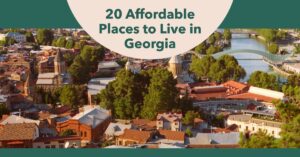
20 Most Affordable Places to Live in Georgia (2025)

March 3, 2025 by Marco Santarelli

20 Most Affordable Places to Live in Georgia

Are you looking for affordable places to live in Georgia? Georgia is a state with a rich history, diverse culture, and stunning natural beauty. One of the best things about Georgia is its affordability. Many communities offer a low cost of living, making it easy to make ends meet.

Whether you're looking for a small town with a laid-back atmosphere or a larger city with plenty of amenities, Georgia has something to offer everyone. You can find affordable housing options, as well as inexpensive groceries and other everyday essentials. This leaves you with more money to enjoy the things you love, like exploring the great outdoors or trying out the local restaurants.

And with a variety of landscapes, from mountains to beaches, there's something for everyone to enjoy in Georgia. In this blog post, we'll take a look at the 20 most affordable places to live in Georgia. These places offer a great quality of life at a price that's easy on the wallet. So if you're looking for a place to call home in Georgia, be sure to check out these affordable options.

Also, check out this informative video guide on some of the most affordable cities to live in Georgia.

Most Affordable Places to Live in Georgia

1. Macon: A City Steeped in History and Culture

Nestled in central Georgia, Macon is a city brimming with history, culture, and a welcoming Southern spirit. Home to Mercer University and the historic Capricorn Sound Studios, Macon has a rich musical heritage that continues to resonate through the city's vibrant arts scene. With its affordable housing options, Macon offers a charming blend of urban amenities and small-town tranquility.

2. Augusta: Where History Meets the River

Located along the banks of the Savannah River, Augusta is a city steeped in rich history and natural beauty. Home to the world-renowned Masters Tournament, Augusta exudes a captivating blend of Southern charm and sporting elegance. With its affordable cost of living and abundance of outdoor recreational opportunities, Augusta is an ideal place to settle down and enjoy the laid-back Southern lifestyle.

3. Athens: A College Town with a Bohemian Flair

Athens, home to the University of Georgia, is a vibrant college town pulsating with youthful energy and a bohemian spirit. Renowned for its thriving music scene, Athens offers a plethora of live music venues, art galleries, and eclectic shops. With its affordable housing options and lively atmosphere, Athens is a haven for young professionals and those seeking a taste of college-town life.

ALSO READ: Best Places to Live in Georgia for Families (2023)

4. Warner Robins: A Hub of Aerospace and Affordability

Warner Robins, home to Robins Air Force Base, is a city with a strong aerospace industry and a focus on innovation. With its affordable cost of living and family-friendly atmosphere, Warner Robins offers a balance between urban amenities and suburban tranquility. The city boasts a vibrant parks system, excellent schools, and a thriving downtown area.

5. Columbus: A Gateway to Adventure and Affordability

Situated on the banks of the Chattahoochee River, Columbus is a city brimming with outdoor adventures and cultural attractions. Home to the National Infantry Museum and the Columbus Riverwalk, Columbus offers a diverse range of activities for all ages. With its affordable housing options and proximity to Atlanta, Columbus is an ideal place to enjoy the best of both worlds.

6. Jonesboro: A Thriving City with Southern Hospitality

Just south of Atlanta, Jonesboro is a thriving city with a strong sense of community and Southern hospitality. With its affordable cost of living and excellent schools, Jonesboro offers a family-friendly environment with easy access to the metropolitan attractions of Atlanta. The city boasts a vibrant downtown area, numerous parks, and a growing culinary scene.

7. Savannah: A Coastal Gem with Historic Charm

Savannah, known for its cobblestone streets, antebellum architecture, and lush greenery, is a coastal gem exuding Southern charm and historical significance. With its affordable housing options and abundance of cultural attractions, Savannah offers a unique blend of urban amenities and historic ambiance. The city's vibrant arts scene, culinary delights, and romantic atmosphere make it an ideal place to call home.

8. Cumming: A Mountain Town with a Touch of Urbanity

Nestled in the foothills of the Appalachian Mountains, Cumming is a charming town with a touch of urbanity. With its affordable cost of living and proximity to Lake Lanier, Cumming offers a perfect balance between outdoor recreation and suburban life. The town boasts a vibrant downtown area, excellent schools, and a growing culinary scene.

9. Austell: A Community with Southern Charm and Affordability

Located west of Atlanta, Austell is a community with a strong sense of Southern charm and affordability. With its excellent schools, family-friendly atmosphere, and proximity to Atlanta, Austell offers a desirable place to raise a family. The town boasts numerous parks, recreational facilities, and a growing community spirit.

10. Dalton: A Carpet Capital with a Thriving Industry

Known as the “Carpet Capital of the World,” Dalton is a city with a thriving manufacturing industry and a strong sense of community. With its affordable cost of living and family-friendly atmosphere, Dalton offers a stable environment for those seeking both economic opportunities and a sense of belonging. The city boasts excellent schools, a vibrant downtown area, and a growing culinary scene.

11. Valdosta: A Vibrant City with a Diverse Community

Located in south Georgia, Valdosta is a vibrant city with a diverse community and a strong focus on education and healthcare. With its affordable cost of living and excellent schools, Valdosta offers a desirable place to raise a family. The city boasts a thriving arts scene, numerous recreational facilities, and a growing culinary scene. Valdosta's proximity to Moody Air Force Base also provides economic opportunities for many residents.

12. Rome: A City Steeped in History with Affordable Living

Located in northwest Georgia, Rome is a city steeped in history, with a charming downtown area and a variety of historical attractions. With its affordable cost of living and abundance of outdoor recreational opportunities, Rome offers a balance between urban amenities and a sense of community. The city boasts excellent schools, numerous parks, and a growing culinary scene.

13. Gainesville: A Thriving City with a University Town Vibe

Gainesville is a thriving city with a university-town vibe, home to Brenau University and the University of North Georgia Gainesville campus. With its affordable cost of living and diverse cultural offerings, Gainesville offers a welcoming atmosphere for young professionals and families alike. The city boasts a vibrant arts scene, numerous recreational facilities, and a growing culinary scene.

14. Toccoa: A Mountain Town with a Touch of Southern Charm

Nestled in the foothills of the Blue Ridge Mountains, Toccoa is a charming mountain town with a touch of Southern charm. With its affordable cost of living and proximity to Lake Hartwell and the Toccoa River, Toccoa offers a perfect balance between outdoor recreation and small-town life. The town boasts a vibrant downtown area, excellent schools, and a growing culinary scene.

15. Albany: A City on the Rise with Affordable Living

Located in southwest Georgia, Albany is a city on the rise with a strong focus on revitalization and economic development. With its affordable cost of living and diverse cultural offerings, Albany is attracting new residents and businesses alike. The city boasts a vibrant arts scene, numerous recreational facilities, and a growing culinary scene.

16. Carrollton: A Charming City with a Thriving Arts Scene

Located in west Georgia, Carrollton is a charming city with a thriving arts scene and a strong sense of community. With its affordable cost of living and excellent schools, Carrollton offers a desirable place to raise a family. The city boasts a vibrant downtown area, numerous parks, and a growing culinary scene.

17. Douglasville: A Family-Friendly City with Affordable Housing

Just west of Atlanta, Douglasville is a family-friendly city with affordable housing and a variety of recreational opportunities. With its excellent schools, parks, and growing economy, Douglasville offers a desirable place to settle down. The city's proximity to Atlanta also provides access to metropolitan attractions and job opportunities.

18. Griffin: A City with Southern Hospitality and Affordable Living

Located south of Atlanta, Griffin is a city with a strong sense of Southern hospitality and affordable living. With its excellent schools, parks, and thriving downtown area, Griffin offers a charming blend of urban amenities and small-town life. The city's growing economy and proximity to Atlanta also provide economic opportunities for residents.

19. Newnan: A City with a Historic Downtown and Affordable Housing

Newnan, located southwest of Atlanta, is a city with a historic downtown area and affordable housing. With its excellent schools, parks, and thriving arts scene, Newnan offers a charming blend of urban amenities and small-town life. The city's proximity to Atlanta also provides access to metropolitan attractions and job opportunities.

20. LaGrange: A City with a Rich History and Affordable Living

Located in west Georgia, LaGrange is a city with a rich history and affordable living. With its excellent schools, parks, and thriving downtown area, LaGrange offers a charming blend of urban amenities and small-town life. The city's proximity to Atlanta also provides access to metropolitan attractions and job opportunities.

These 20 affordable places to live in Georgia offer a glimpse into the diverse landscape and welcoming communities that make the Peach State an ideal place to call home. Whether you're seeking a vibrant city life, a charming small-town atmosphere, or a tranquil coastal retreat, Georgia has something to offer everyone.

With its rich history, cultural attractions, and abundance of natural beauty, Georgia provides a unique blend of Southern charm, economic opportunities, and a high quality of life.

So, whether you're looking for a new adventure, a place to raise your family or a peaceful retirement destination, Georgia is worth considering. With its diverse communities, affordable living, and abundance of Southern charm, Georgia has something to offer everyone.

Read More:

  • 10 Cheapest Cities to Live in Georgia
  • Best Places to Live in Georgia for Families
  • Top 10 Safest Cities in Georgia to Raise a Family
  • Georgia Housing Market: Trends and Predictions 2025

Filed Under: Best Places Tagged With: Best Places to Live, Georgia

St. Petersburg Housing Market Prices and Forecast 2025-2026

March 3, 2025 by Marco Santarelli

St. Petersburg Housing Market Prices and Forecast 2025-2026

Are you thinking about buying or selling a home in St. Petersburg, Florida? You're probably wondering what's happening in the local real estate market. As of January 2025, the St. Petersburg housing market is somewhat competitive, with a median sale price of $398K, a 5.4% decrease compared to last year. Homes are selling in around 49 days, and there's been a significant increase in the number of homes sold. Let’s dive deeper into what these numbers mean and what to expect in the near future.

Current St. Petersburg Housing Market Trends and Forecast

Home Sales

One of the most significant shifts I've noticed is the uptick in home sales. According to Redfin, in January 2025, 358 homes were sold in St. Petersburg, which is a whopping 29.2% increase compared to the same time last year. This indicates that while prices might be adjusting, people are still actively buying in the area. Perhaps the slight dip in prices is enticing more buyers to jump in.

Home Prices

Let's talk about the numbers everyone is curious about: home prices. As I mentioned earlier, the median sale price in St. Petersburg was $398K in January 2025. This is down 5.4% from the previous year. Additionally, the median sale price per square foot is $310, a decrease of 7.9% since last year.

Are Home Prices Dropping?

The data indicates a slight downward trend in home prices in St. Petersburg. While a 5.4% decrease might seem alarming, it's essential to consider the context. We're coming off a period of record-high prices and intense competition. It looks more like a market correction rather than a crash.

Comparison with Current National Median Price

To put things in perspective, let's compare St. Petersburg's median home price to the national median price, which is $396,900 in January 2025, with a year-over-year change of +4.8%. St. Petersburg's median price is just slightly higher than the national median but trending down while the national median is increasing. This suggests St. Petersburg is experiencing a localized market adjustment.

Is It a Buyer's or Seller's Housing Market?

Based on the data, St. Petersburg leans toward being a somewhat competitive market. Homes receive an average of two offers and sell in around 49 days. The average homes sell for about 5% below list price and go pending in around 41 days. However, I’d classify it as neither a strong buyer's nor a strong seller's market. Instead, it looks like we're moving towards a more balanced market, where neither buyers nor sellers have a distinct advantage. It is “somewhat competitive”.

Market Trends

To better understand the trends, let's look at the numbers:

  • Median Sale Price: $397,500 (-5.4% year-over-year)
  • Number of Homes Sold: 358 (+29.2% year-over-year)
  • Median Days on Market: 49 (+9 days year-over-year)
  • Sale-to-List Price: 94.7% (-2.0 percentage points year-over-year)
  • Homes Sold Above List Price: 7.5% (-1.5 percentage points year-over-year)
  • Homes with Price Drops: 38.5% (-0.28 percentage points year-over-year)

Here's a summary table:

Metric January 2025 Year-over-Year Change
Median Sale Price $397,500 -5.4%
Number of Homes Sold 358 +29.2%
Median Days on Market 49 +9 days
Sale-to-List Price 94.7% -2.0 pts
Homes Sold Above List Price 7.5% -1.5 pts
Homes with Price Drops 38.5% -0.28 pts

Impact of High Mortgage Rates

High mortgage rates are a significant factor in the current St. Petersburg housing market. As of early March 2025, the average 30-year fixed mortgage rate is around 6.5%, and most forecasts predict it to remain at or slightly above this level.

  • Reduced Affordability: Higher rates make it more expensive to borrow money, reducing buyers' purchasing power.
  • Slower Demand: Some potential buyers may postpone their home search, waiting for rates to drop.
  • Price Adjustments: Sellers may need to adjust their expectations and pricing strategies to attract buyers in this environment.

St. Petersburg Housing Market Forecast

Based on the current trends, here's what I think is likely to happen in the St. Petersburg housing market in the coming months:

  • Continued Price Stabilization: I expect home prices to stabilize, with potentially slight fluctuations depending on the season and interest rate movements.
  • Increased Inventory: As the market becomes more balanced, we may see a gradual increase in the number of homes for sale, giving buyers more choices.
  • Slower Sales Pace: Homes may take a bit longer to sell compared to the peak of the market, requiring sellers to be more patient and strategic.
  • Negotiating Opportunities: With a more balanced market, buyers may have more negotiating power, especially for properties that have been on the market for a while.

What This Means for Buyers

If you're a buyer in St. Petersburg, now might be a good time to start looking. With prices slightly down and more homes potentially coming on the market, you have more options and potentially more negotiating leverage. However, remember that mortgage rates are still relatively high, so factor that into your budget.

What This Means for Sellers

If you're a seller, it's essential to be realistic about pricing. Overpricing your home could lead to it sitting on the market for longer. Work with a local real estate agent who understands the market to develop a pricing strategy that attracts buyers.

Conclusion

The current St. Petersburg housing market is in a state of transition. While prices have come down a bit, and homes take longer to sell, the market is still active. Whether you're a buyer or a seller, understanding these trends is key to making informed decisions. Always consult with a qualified real estate professional to get personalized advice based on your specific situation.

Should You Invest in the St. Petersburg Real Estate Market?

1. Population Growth and Trends

St. Petersburg is currently experiencing population growth, positioning it as one of the fastest-growing cities in the United States. This surge in population contributes significantly to the demand for housing, creating a favorable environment for real estate investment.

2. Economy and Jobs

  • Steady Economic Growth: The city's economy is on a steady upward trajectory, providing a stable foundation for real estate investment.
  • Job Opportunities: The flourishing economy translates into increased job opportunities, further driving the demand for housing in St. Petersburg.

3. Livability and Other Factors

  • Desirability: St. Petersburg is renowned for its high livability, making it an attractive destination for individuals and families seeking a quality living environment.
  • Infrastructure Development: Ongoing and planned infrastructure developments enhance the city's appeal, positively impacting real estate values.
  • Cultural Attractions: The city's cultural attractions contribute to its charm, making it a sought-after location for residents and potentially increasing property values.

4. Rental Property Market Size and Growth

The rental property market in St. Petersburg is substantial, presenting a lucrative opportunity for investors:

  • Current Market Size: The rental property market is sizable, catering to a diverse tenant pool.
  • Growth Potential: With the city's population growth and economic prosperity, the rental market is poised for further expansion, offering long-term investment potential.

5. Other Factors Related to Real Estate Investing

  • Supply and Demand Dynamics: The limited supply of housing in St. Petersburg, coupled with robust demand, creates a favorable environment for property appreciation.
  • Historical Market Resilience: St. Petersburg's housing market has shown resilience in the face of economic downturns, instilling confidence in investors regarding long-term stability.

Considering the city's population growth, thriving economy, high livability, and the potential for rental property market expansion, St. Petersburg emerges as a sound option for real estate investors. However, like any investment, thorough research, and a careful assessment of individual financial goals and risk tolerance are crucial before making investment decisions.

Read More:

  • Florida Housing Market Forecast for Next 2 Years: 2025-2026
  • When Will the Housing Market Crash in Florida?
  • South Florida Housing Market: Prices and Forecast 2025-2026
  • Florida Real Estate: 9 Housing Markets Predicted to Rise in 2025
  • Hottest Florida Housing Markets in 2025: Miami and Orlando
  • Florida Housing Market: Predictions for Next 5 Years (2025-2030)

Filed Under: Growth Markets, Housing Market, Real Estate, Real Estate Investing, Real Estate Market

Economic Forecast for the Next 5 Years: 2025-2029

March 3, 2025 by Marco Santarelli

Economic Forecast for the Next 5 Years: 2025-2029

Are you trying to peek into the crystal ball and see what the next few years hold for the American economy? I get it. It's a question on everyone's mind, especially with all the ups and downs we've been through lately. So, what's the Economic Forecast for the Next 5 Years? The best guess is that we're looking at moderate growth, hovering around 2% each year. Of course, that's not a hard and fast number, and a lot of different things could push us higher or lower. Let's dive into what's driving these predictions and what to watch out for.

Economic Forecast for the Next 5 Years

Ever wonder what the future holds for your wallet, your job, and the overall economy? Let's be honest, trying to predict the economy is a bit like trying to herd cats, but we can look at the data and make some educated guesses. I'll break it down for you in a way that's easy to understand.

Current Economic Landscape

Right now, in early 2025, the US economy is standing on fairly stable ground. We saw some good growth in the last part of 2024, which is a plus. But, and there's always a but, there are some big question marks hanging over our heads. The biggest? New policies coming from the government, especially when it comes to things like taxes and trade. Imagine it like this: the economy is a car driving down the road. We've got a full tank of gas (that's the good growth), but there are some storm clouds ahead (the uncertain policies).

Forecasted Growth Rates: What the Experts are Saying

So, who's making these predictions about the future? Well, there are a bunch of organizations that spend a lot of time and money trying to figure this stuff out. Here's what a few of them are saying:

  • Congressional Budget Office (CBO): They're predicting growth of around 1.9% in 2025, dropping slightly to 1.8% in both 2026 and 2027. They expect that rate to hold steady through 2029.
  • Federal Reserve (The Fed): The Fed is a bit more optimistic, forecasting 2.1% growth for 2025, 2.0% for 2026, and 1.9% for 2027.
  • Deloitte: Deloitte is the most optimistic of the bunch, suggesting 2.4% growth in 2025, but then a slowdown to 1.7% in 2026. They think we'll bounce back a bit, averaging between 1.9% and 2.1% for the years 2027-2029.
  • EY: Similar to Deloitte, EY sees 2.3% growth in 2025 followed by 1.7% in 2026.

Okay, so what does it all mean? If we average all these forecasts together, we get something like this:

  • 2025: 2.2%
  • 2026: 1.8%
  • 2027: 1.9%
  • 2028-2029: 1.8%

It's important to remember that these are just averages. Different groups have different ideas about what's going to happen.

What's Driving the Economy? The Key Players

There are a bunch of different things that can push the economy up or down. Here are some of the big ones:

  • Monetary Policy: This is what the Federal Reserve does with interest rates. If they raise rates, it can slow down the economy. If they lower rates, it can speed things up. Most experts think the Fed will start cutting rates sometime in mid-2025 to help keep the economy going, but they also want to keep inflation under control.
  • Fiscal Policy: This is what the government does with taxes and spending. If the government cuts taxes or spends more money, it can give the economy a boost, but it can also lead to bigger deficits.
  • Trade Policies: Trade is all about buying and selling goods and services with other countries. If we put tariffs (taxes) on imports, it can raise prices and hurt trade. On the other hand, new trade deals could help us sell more goods to other countries.
  • Labor Market: The labor market is all about jobs. If a lot of people are working, that's generally a good sign for the economy. But, we're also facing some challenges, like an aging population, which could mean fewer people in the workforce.
  • Technology: New technology can make us more productive, which helps the economy grow. Things like artificial intelligence (AI) and renewable energy are expected to play a big role in the future.
  • Global Economy: What happens in other countries can affect us, too. If other big economies are doing well, that can help us. But, if there are problems in other parts of the world, that can hurt us.

Let's put that into a table for easier understanding.

Factor Description Impact on Economy
Monetary Policy Federal Reserve actions on interest rates and money supply. Lower rates can stimulate growth; higher rates can curb inflation but may slow growth.
Fiscal Policy Government decisions on taxation and spending. Tax cuts and increased spending can boost growth but may increase deficits.
Trade Policies Regulations and agreements related to international trade, including tariffs and trade deals. Tariffs can raise prices and reduce trade; trade deals can boost exports.
Labor Market Availability and conditions of the workforce, including employment rates and wage growth. A strong labor market generally supports economic growth; demographic challenges may slow workforce growth.
Technology Innovation and advancements in areas like AI and renewable energy. Can drive productivity gains and long-term economic expansion.
Global Economy Economic conditions and events in other countries. Global recovery can boost the US economy, but geopolitical risks and financial crises can pose threats.

The Wild Cards: Risks and Uncertainties

Even the smartest experts can't see everything that's coming. There are always risks and uncertainties that could throw the Economic Forecast for the Next 5 Years off course. Here are a few things to keep an eye on:

  • Policy Changes: A big change in government policies could have a big impact on the economy, for better or worse.
  • Inflation: If inflation stays high, the Fed might have to keep interest rates higher for longer, which could slow down growth.
  • Global Shocks: Things like pandemics, wars, or natural disasters could disrupt the economy.
  • Financial Instability: Problems in the financial markets, like a stock market crash, could hurt consumer confidence and slow down the economy.
  • Productivity Slowdown: If we don't find ways to become more productive, our long-term growth could be limited.

Diving Deeper: A Detailed Look at the Economic Engines

Alright, let's put on our thinking caps and get a little more detailed. To really understand the Economic Forecast for the Next 5 Years, we need to look at some specific areas:

  1. Monetary Policy in Detail:
    • The Fed's Tightrope Walk: The Federal Reserve is in a tricky spot. They want to keep inflation under control (ideally around 2%), but they also don't want to slam the brakes on economic growth.
    • Projected Rate Cuts: As of early 2025, the expectation is that the Fed will start to gradually cut interest rates sometime in the middle of the year. The idea is to give the economy a little boost without letting inflation run wild. Some projections have rates falling to the 3.75%-4% range by the end of the year and even lower by early 2028.
  2. Fiscal Policy and the Federal Budget:
    • New Administration Policies: The policies of the current administration could have a big impact. For example, if they extend the Tax Cuts and Jobs Act (TCJA), it could put more money in people's pockets and encourage businesses to invest.
    • The Deficit Dilemma: The federal budget deficit (the difference between what the government spends and what it takes in) is projected to be pretty high. This raises concerns about how sustainable our debt is in the long run.
  3. Trade Wars and Trade Winds:
    • Tariff Troubles: Tariffs, like the ones being considered on steel, aluminum, and goods from China, could push up prices for consumers and businesses, potentially slowing down economic growth. Imagine having to pay more for everything you buy – that's the potential impact of tariffs.
    • The Hope for Trade Deals: On the other hand, if we can strike some new trade deals with other countries, it could give our exports a boost and create more jobs.
  4. The Labor Market: A Balancing Act:
    • Tight Labor Conditions: The labor market is currently pretty tight, meaning there aren't a lot of people out of work.
    • Demographic Challenges: However, we're facing some demographic headwinds. The population is aging, and that could mean slower labor force growth in the years to come. Policies around immigration and deportation could also affect the size of the workforce.
  5. Tech Innovation: The Productivity Driver:
    • AI, Renewables, and the CHIPS Act: Investments in things like artificial intelligence (AI), renewable energy, and manufacturing (thanks to things like the CHIPS Act) are expected to boost productivity. When businesses are more productive, they can produce more goods and services with the same amount of resources, which leads to economic growth.
  6. The Global Economic Puzzle:
    • Global Recovery and Geopolitical Risks: The global economy is expected to recover, but there are also a lot of risks out there, like geopolitical tensions and potential financial crises. Even though the US economy is less dependent on exports than some other countries, what happens in the rest of the world can still have a big impact.

Scenario Planning: What If?

To get a better handle on the uncertainty, it's helpful to think about different scenarios. Here's a simplified look at some possibilities:

  • Baseline Scenario (Most Likely): Moderate growth with some tariffs and continued deportations.
  • Optimistic Scenario: Stronger growth thanks to tax cuts, trade deals, and less regulation.
  • Pessimistic Scenario: A recession caused by high inflation, trade wars, and mass deportations.

These scenarios highlight how different policy choices can lead to very different outcomes.

Consumer Spending and the Housing Market:

  • Consumer Strength: Consumer spending is a huge driver of the US economy. How confident people feel about their jobs and finances will play a big role in whether they keep spending money.
  • Housing Market Trends: The housing market is also important. We're expecting to see more housing starts (new homes being built), and house prices are expected to continue to grow, although at a slower pace than in recent years.

The Elephant in the Room: Risks and Uncertainties Explored

Let's dig deeper into those risks and uncertainties I mentioned earlier. These are the “what if” scenarios that could really shake things up:

  • Policy Paralysis or Radical Shifts: Imagine a situation where the government can't agree on anything, or suddenly makes drastic changes to policies. This kind of uncertainty can spook businesses and investors, leading to slower growth.
  • The Inflation Monster Returns: If inflation proves to be more stubborn than expected, the Fed might have to keep interest rates high for longer, which could trigger a recession.
  • A Global Crisis Erupts: A major geopolitical conflict, a new pandemic, or a financial meltdown in another country could send shockwaves through the global economy and hurt the US.
  • Financial Market Mayhem: A sharp correction in the stock market or other financial markets could damage consumer confidence and reduce investment, leading to slower growth.
  • Productivity Stalls: If we don't see continued innovation and improvements in productivity, our long-term growth potential could be limited.

My Thoughts and Expertise

Alright, time for my two cents. After years of following the economy, here’s what I think. The most likely scenario is one of continued moderate growth, but there are definitely some bumps in the road ahead. The biggest risk, in my opinion, is policy uncertainty. We need clear and consistent policies from the government to give businesses and consumers the confidence they need to invest and spend.

I also think we need to focus on boosting productivity. That means investing in education, infrastructure, and research and development. We can't just rely on easy money from the Fed or short-term stimulus from the government. We need to create a sustainable foundation for long-term growth.

Finally, we need to be prepared for the unexpected. The world is a volatile place, and we need to have contingency plans in place to deal with potential shocks.

The Bottom Line: Navigating the Next Five Years

So, what's the Economic Forecast for the Next 5 Years? The best guess is moderate growth, but with plenty of risks and uncertainties along the way. The key will be careful policy management, a focus on boosting productivity, and a willingness to adapt to changing circumstances.

In conclusion, based on current forecasts and trends, the Economic Forecast for the Next 5 Years suggests a steady but moderate growth trajectory for the U.S. economy, averaging around 2% annually. However, this outlook is contingent on navigating various economic drivers, policy decisions, and potential risks.

Secure Your Financial Future with Smart Investments

Wondering about the Economic Forecast for 2025-2029? Stay ahead by investing in turnkey rental properties for long-term financial stability.

Regardless of market shifts, real estate remains a top-performing asset. Let Norada guide you toward profitable, cash-flowing investments.

Speak with our expert investment counselors (No Obligation):

(800) 611-3060

Get Started Now 

Read More:

  • Will the Fed Achieve Its 2% Inflation Target in 2025: The Road Ahead
  • Are We in a Recession or Inflation: Forecast for 2025
  • Inflation's Impact on Home Prices & Mortgages: What to Expect in 2025 
  • Interest Rates vs. Inflation: Is the Fed Winning the Fight?
  • Is Fed Taming Inflation or Triggering a Housing Crisis?
  • Will Inflation Go Down Below 2% in 2025: Economic Forecast
  • How To Invest in Real Estate During a Recession?
  • Will There Be a Recession in 2025?
  • When Will This Recession End?
  • Should I Buy a House Now or Wait for Recession?
  • How Strong is the US Economy Today?
  • Economic Forecast: Will Economy See Brighter Days?
  • Will the Economy Recover?
  • Is the US Economy Going to Crash: Economic Outlook
  • How Close Are We to Total Economic Collapse?
  • Is the US Economy Going to Crash: Economic Outlook
  • Economic Forecast for Next 10 Years

Filed Under: Economy Tagged With: Economic Forecast, Economy, Recession

Today’s Mortgage Rates March 3, 2025: Rates Drop Across the Board

March 3, 2025 by Marco Santarelli

Today's Mortgage Rates March 3, 2025: Rates Drop Across the Board

Today's mortgage rates, as of March 3, 2025, have dropped! The current average rate for a 30-year fixed mortgage is 6.27%, while the 15-year fixed mortgage rate is 5.57%. This dip could be your chance to save some serious money. Let’s dive into what this means for you.

These fluctuations, though seemingly small, can make a big difference in your monthly payments and overall financial picture. It’s all about understanding the numbers and making informed decisions.

Today's Mortgage Rates March 3, 2025: Rates Drop Across the Board

What's Driving These Rate Changes?

Mortgage rates are like the weather; they change all the time. Several factors influence them, and it's helpful to have a basic understanding of what's going on behind the scenes. Here are a few key elements:

  • The Federal Reserve (The Fed): The Fed sets the federal funds rate, which is the interest rate at which banks lend money to each other overnight. While this isn’t directly the mortgage rate, it influences it.
  • Inflation: When inflation rises, mortgage rates tend to rise as well. Lenders want to be compensated for the potential loss of purchasing power over time.
  • Economic Growth: A strong economy usually leads to higher interest rates, while a weaker economy can push them down.
  • Investor Confidence: When investors are confident in the economy, they tend to invest in stocks and other higher-yielding assets. This can lead to higher mortgage rates. Uncertainty often pushes rates down as investors seek safer investments like mortgage-backed securities.

It is also important to know about geopolitical events, which might indirectly influence mortgage rates.

Understanding Different Types of Mortgage Rates

Let's break down the different types of mortgage rates you'll encounter:

  • Fixed-Rate Mortgage: This is the most common type. Your interest rate stays the same for the entire loan term (e.g., 30 years, 15 years). This offers stability and predictability.
  • Adjustable-Rate Mortgage (ARM): The interest rate is fixed for a specific period (e.g., 5 years, 7 years), then adjusts periodically based on a benchmark interest rate plus a margin. ARMs often start with lower rates but carry the risk of increasing payments later.

Current Mortgage and Refinance Rates (March 3, 2025)

Here’s a quick overview of today's rates, based on data from Zillow:

Current Mortgage Rates

Loan Type Current Rate (%)
30-Year Fixed 6.27%
20-Year Fixed 5.98%
15-Year Fixed 5.57%
5/1 Adjustable Rate 6.53%
7/1 Adjustable Rate 6.62%
30-Year VA 5.72%
15-Year VA 5.18%
5/1 VA 5.91%

Current Refinance Rates

Loan Type Current Rate (%)
30-Year Fixed 6.27%
20-Year Fixed 5.88%
15-Year Fixed 5.58%
5/1 Adjustable Rate 6.73%
7/1 Adjustable Rate 6.84%
30-Year VA 5.68%
15-Year VA 5.33%
30-Year FHA 6.06%

Important Note: These are average rates. The rate you actually receive will depend on several factors, including your credit score, down payment, debt-to-income ratio, and the specific lender you choose.

Monthly Payment Examples: How Much Will You Pay?

Let's look at some examples to illustrate how these rates translate into monthly payments. These calculations exclude property taxes, homeowner's insurance, and any potential HOA fees, so keep that in mind.

Loan Amount Interest Rate (30-year fixed) Estimated Monthly Payment
$150,000 6.27% $923
$200,000 6.27% $1,231
$300,000 6.27% $1,851
$400,000 6.27% $2,462
$500,000 6.27% $3,076

As you can see, the difference in monthly payments can be substantial depending on the loan amount. That's why careful budgeting and planning are so important.

Recommended Read:

Mortgage Rates Trends as of March 2, 2025

Mortgage Rates Forecast March 2025: Will Rates Finally Drop?

Expect High Mortgage Rates Until 2026: Fannie Mae's 2-Year Forecast

Will Mortgage Rates Rise Back Above 7% or Go Down in 2025?

Mortgage Interest Rates Forecast for Next 10 Years

Should You Buy or Refinance? Weighing Your Options

With rates currently down, you might be wondering if now is a good time to buy a home or refinance your existing mortgage. Here’s a breakdown to help you decide:

Buying a Home:

  • Pros:
    • Owning a home builds equity over time.
    • You can customize your living space.
    • Mortgage interest may be tax-deductible (check with your tax advisor).
    • Falling rates mean your purchase power goes up (you can afford a more expensive home, or have smaller payments for the same house)
  • Cons:
    • Requires a significant down payment and closing costs.
    • You're responsible for maintenance and repairs.
    • Property taxes and homeowner's insurance can be expensive.
    • Home prices could fall if markets turn bearish

Refinancing a Mortgage:

  • Pros:
    • You may be able to lower your monthly payments.
    • You could shorten your loan term and pay off your mortgage faster.
    • You might be able to switch from an ARM to a fixed-rate mortgage for more stability.
  • Cons:
    • Refinancing involves closing costs.
    • It may take several years to recoup the costs through lower monthly payments.
    • You might be extending your loan term, even if your monthly payments are lower, potentially paying more in interest over the long run.

My Take: Consider your long-term goals. If you plan to stay in your home for many years, refinancing at a lower rate is often a smart move. However, if you're only planning to stay for a short period, the closing costs may not be worth it. Always do the math and compare your options.

The Odd Case of Adjustable-Rate Mortgages (ARMs) Today

Here's where things get a little unusual. Typically, ARMs start with lower interest rates than fixed-rate mortgages. This is because the lender is passing on some of the risk of future rate increases to the borrower.

However, as you can see from the data above, the 5/1 and 7/1 ARMs have higher rates than the fixed rate options. This is a sign that lenders expect rates to increase in the future, and they're pricing that risk into the ARM rates now.

My opinion: In the current environment, I would generally advise against an ARM. The initial rate advantage is gone, and you're still exposed to the risk of rising rates. Unless you know you'll be moving or refinancing within the fixed-rate period of the ARM, a fixed-rate mortgage offers more peace of mind.

Tips for Going Through the Mortgage Process

  1. Check Your Credit Score: Your credit score is a major factor in determining your mortgage rate. Get a copy of your credit report and dispute any errors.
  2. Shop Around: Don't just go with the first lender you find. Get quotes from multiple lenders to compare rates and fees.
  3. Get Pre-Approved: Getting pre-approved for a mortgage gives you a better idea of how much you can borrow and strengthens your offer when buying a home.
  4. Understand All the Costs: In addition to the interest rate, be sure to factor in closing costs, points, and other fees.
  5. Negotiate: Don't be afraid to negotiate with lenders. They may be willing to lower their fees or match a competitor's rate.

Other Costs to Consider Beyond the Mortgage Payment

Remember, your mortgage payment is just one part of the overall cost of homeownership. Here are some other expenses you'll need to budget for:

  • Property Taxes: These are typically paid annually or semi-annually.
  • Homeowner's Insurance: Protects your home from damage or loss.
  • Private Mortgage Insurance (PMI): Required if you put down less than 20% on a conventional mortgage.
  • Homeowners Association (HOA) Fees: If you live in a community with an HOA.
  • Maintenance and Repairs: Expect to spend 1-3% of your home's value each year on upkeep.

My advice: Create a detailed budget that includes all of these expenses before you buy a home. It's better to be prepared than to be surprised later.

Final Thoughts

Today's mortgage rates reflect a dynamic market. The slight dip in rates offers some opportunities, but it's crucial to understand the nuances and make informed decisions based on your individual circumstances. As of March 3, 2025, with 30-year fixed rates around 6.27% and 15-year fixed rates around 5.57%, it’s a good time to explore your options.

Stay informed, do your research, and work with trusted professionals to make the best choice for your financial future. I know that finding the right home and mortgage rate can be overwhelming. I hope this comprehensive guide has provided some clarity and empowered you to make smart decisions. Happy house hunting!

Work with Norada in 2025, Your Trusted Source for

Real Estate Investing

With mortgage rates fluctuating, investing in turnkey real estate

can help you secure consistent returns.

Expand your portfolio confidently, even in a shifting interest rate environment.

Speak with our expert investment counselors (No Obligation):

(800) 611-3060

Get Started Now

Recommended Read:

  • Mortgage Rates Forecast for the Next 3 Years: 2025 to 2027
  • 30-Year Mortgage Rate Forecast for the Next 5 Years
  • 15-Year Mortgage Rate Forecast for the Next 5 Years
  • Why Are Mortgage Rates Going Up in 2025: Will Rates Drop?
  • Why Are Mortgage Rates So High and Predictions for 2025
  • Will Mortgage Rates Ever Be 3% Again in the Future?
  • Mortgage Rates Predictions for Next 2 Years
  • Mortgage Rate Predictions for Next 5 Years
  • Mortgage Rate Predictions: Why 2% and 3% Rates are Out of Reach
  • How Lower Mortgage Rates Can Save You Thousands?
  • How to Get a Low Mortgage Interest Rate?
  • Will Mortgage Rates Ever Be 4% Again?

Filed Under: Financing, Mortgage Tagged With: Interest Rate, mortgage, Mortgage Rate Trends, mortgage rates, Mortgage Rates Predictions, Mortgage Rates Today

Birmingham Real Estate Investing: Hot Investor Properties in 2025

March 2, 2025 by Marco Santarelli

Birmingham Real Estate Investing: Hot Investor Properties in 2025

Are you looking for a smart place to invest your money in real estate? Well, let's cut to the chase – Birmingham, Alabama is shaping up to be a prime spot for rental property investments in 2025. Forget the hype; this isn’t about throwing darts at a map. Birmingham's got real, tangible reasons that make it a compelling choice, and I'm here to break them down for you. I've been keeping an eye on this market for a while now, and honestly, the signs are pretty encouraging.

Birmingham Real Estate Investing: Hot Investor Properties in 2025

Why Birmingham is Catching Investors' Eyes

First off, Birmingham isn't just some sleepy Southern town anymore. It's got a buzz, and it's a buzz that's attracting a diverse crowd of residents, which is the lifeblood of any good rental market. We’re talking about a city that's home to major institutions in law, medicine, nursing, and engineering—that means a steady flow of students, professionals, and faculty needing housing. This creates consistent demand for rentals. That’s not all folks. Here’s a rundown of why Birmingham’s market is so appealing:

  • Strong Economic Foundation: Birmingham’s economy isn’t reliant on one single industry. It's got a diversified base, which means more stability and less vulnerability to economic downturns.
  • Education & Healthcare Hub: As mentioned, the concentration of universities and medical facilities is huge. These sectors aren't going anywhere, ensuring a reliable stream of renters.
  • Affordable Entry Point: Compared to other major US cities, Birmingham's property prices are still relatively affordable, allowing for higher potential returns on investment.
  • Low Property Taxes: Birmingham has been ranked as having some of the lowest property taxes in the US. This means that owners get to keep more of their earnings.
  • Appreciation Potential: The numbers don't lie. Birmingham has seen considerable appreciation over the years, and it's projected to continue.
  • Thriving Culture Scene: The city has a growing arts, food, and entertainment scene that continues to attract people who want to live in a vibrant city.
  • World Games Winner: Being the winner of the 2021 World Games put Birmingham on the map, further bolstering its reputation as a dynamic and growing city.

The Numbers Don't Lie: Birmingham's Appreciation History

Let's dive into some specific data, because this is where things get interesting. It’s one thing to say “Birmingham is doing well,” but another to see the numbers that support it. Here’s a look at the appreciation rates:

TIME PERIOD TOTAL APPRECIATION AVG. ANNUAL RATE COMPARED TO AL* COMPARED TO AMERICA*
Latest Quarter (2024 Q3-2024 Q4) 1.03% 4.20% 6 3
Last 12 Months (2023 Q4-2024 Q4) 6.03% 6.03% 6 5
Last 2 Years (2022 Q4-2024 Q4) 11.09% 5.40% 6 5
Last 5 Years (2019 Q4-2024 Q4) 51.66% 8.69% 7 5
Last 10 Years (2014 Q4-2024 Q4) 87.86% 6.51% 6 4
Since 2000 (Q1-2024 Q4) 138.87% 3.69% 8 4

*10 is the highest.

As you can see, Birmingham’s real estate market has been consistently appreciating, especially over the last five years. The average annual rate of 8.69% in the past 5 years is pretty significant, and it outperforms the national average. This shows the increasing value of properties in the area. This appreciation isn’t just a flash in the pan. The forecast for the next three years is also solid, with an expected appreciation of around 10.6%. That means the value of your investment should continue to grow.

The Magic of High Capitalization Rates

One of the biggest draws for investors is Birmingham's impressive capitalization rates (or cap rates). Now, if you’re new to real estate investing, cap rate is just a simple measure of a property’s profitability. A higher cap rate means more income relative to the property's price. I’ve seen some properties in Birmingham boasting cap rates up to 15%. Let me tell you, in this market, that's pretty remarkable. It means that if you're buying rental property in Birmingham, you have a much better chance of seeing a positive return quickly. It is a game changer!

Hot Rental Properties Available Now (and where to look)

Okay, so where should you focus your search? Here are a few deals that Norada Real Estate Investments has to offer, keeping in mind that things can change quickly in real estate:

Property Address Bedrooms Sqft Bathrooms Parking Purchase Price Rental Income Year Built Price/Sqft Rent/Value Ratio Neighborhood Cap Rates Cash Flow (NOI)
6th Street NW, Birmingham 3 1510 2 1 $164,900 $1,365 1968 $110 0.8% – 7.1% $978
13th Avenue NW, Center Point 4 1444 1 1 $156,900 $1,265 1957 $109 0.8% B- 7.2% $937
Woodland Circle, Odenville 3 1400 2 1 $243,000 $1,590 2024 $174 0.7% A+ 6.2% $1,262
6th St NW, Center Point 3 1304 2 1 $164,900 $1,365 1968 $127 0.8% B- 6.9% $944

Here’s my take on these:

  • 6th Street NW, Birmingham is a decent starter property in an established area, but the age of the property (built in 1968) may require future investments.
  • 13th Avenue NW, Center Point provides great value for money, with an affordable price and a decent cap rate.
  • Woodland Circle, Odenville offers newly built properties in a highly desirable A+ neighborhood. Although the price point is higher, the long-term prospects in this area are fantastic. I particularly like the fact that they're new construction, which often means fewer maintenance issues in the early years.

Invest in These Hot Birmingham Properties Before They’re Gone!

Exclusive Birmingham investment properties available—act fast before they sell out!

More new listings coming soon! Get early access to high-quality, cash-flowing turnkey rentals.

Speak with our expert investment counselors (No Obligation):

(800) 611-3060

Get Details Now 

My Recommendations for 2025

Based on my analysis, here are some things to consider if you plan on investing in Birmingham in 2025:

  • Look Beyond Birmingham Proper: Areas like Center Point and Odenville are developing quickly and offering better investment opportunities right now. Don't be afraid to look outside the city center for hidden gems.
  • Focus on Cash Flow: While appreciation is important, positive cash flow from rental income is key to a successful investment. Look for properties with solid rent-to-value ratios and strong cap rates. We have some newly listed hot investment properties for sale right now.
  • Consider New Constructions: While older homes may be cheaper to purchase, newer constructions require less maintenance, and attract high quality tenants.
  • Don't Forget the Neighborhood: A property in a great location is always easier to rent. Make sure you research the neighborhood thoroughly before making a decision. I like neighborhoods with good schools, parks and easy access to amenities.
  • Be Quick, but be Smart: Good deals in Birmingham can be snatched up quickly. So, if you find something that meets your investment criteria, don't delay too long. But please, never compromise on due diligence.

Final Thoughts

Birmingham is a market that's not flashy, but it's a market that works. It's showing consistent growth, boasts high cap rates, and offers a relatively affordable way into real estate investment. I believe if you're strategic and do your homework, you could see excellent returns on your investment here in 2025. I am not one to hype any market but I think this is where the real opportunities lie.

Sure, there are always risks involved in any real estate investment. Market conditions can change. That is why I always recommend having a buffer. It’s important to do your due diligence and consult with real estate professionals.

But the fundamentals in Birmingham are strong, and the city's ongoing growth and development provide a promising outlook for rental property investors. Do your research, consider your investment goals, and get ready to see your investment grow!

Recommended Read:

  • Real Estate Investing: Why Smart Investors Are Buying Now
  • The Important Tax Benefits of Real Estate Investing
  • 18 Best Real Estate Investing Books For Beginners
  • 10 Tips to Be Successful in Real Estate Investing
  • Risks of Real Estate Investing: What You Can Do About Them?
  • What is Passive Real Estate Investing?
  • Housing Market Predictions for Next 5 Years (2025-2029)
  • Real Estate Forecast for the Next 5 Years: Future Predictions?

Filed Under: Real Estate Investing, Real Estate Investments Tagged With: Alabama, Birmingham, Investment Properties, Real Estate Investing, Real Estate Investment, Rental Property Investment

Top Reasons to Buy Birmingham Investment Properties

March 2, 2025 by Marco Santarelli

Top Reasons to Buy Birmingham Investment Properties

If you are thinking of buying Birmingham Investment Properties in 2025, you might be wondering whether it is the right decision or not. Well, for a start let us know a little bit about this beautiful city of Birmingham. It is in no doubt the most populous city in the state of Alabama. Several factors have led to the truth of this statement. It is 330 square kilometers of land and 5.2 square kilometers of water. The city was first founded in the year 1871 AD.

Since then, the city of Birmingham, Al has seen an upward trend in terms of its population growth. One of the factors that have led to this increase is its rich nature of mountainous ridges and a good share of physical scenery. Since its year of discovery, the city has been an educational center in the state of Alabama and has been the favorite destination of many educational aspirants who come here to seek careers of their choice. 100's schools have been set up in the city of Birmingham and several top-notch universities.

The city's ever-growing population shows a need for real estate investments and developments for the good of the new growing population. Birmingham is home to world-class medical research, a celebrated food and arts scene, and the Birmingham Civil Rights National Monument. It has been voted one of the nation’s most livable cities with a thriving community and more green space per capita than any other city in the nation. There has been a steady increase in Birmingham home values over the last decade.

The forecast for the next 12 months is that it will be a moderately seller's real estate market and the prices will increase by 1-2%. Buying Birmingham investment properties is considered to be a wise decision by experienced real estate investors who know the market very well. The Birmingham AL real estate market continues to take steps in the right direction. Let us discuss the major economic developments and 12 great reasons to go for Birmingham real estate investing.

Economic Developments In Birmingham, Alabama

Birmingham is an affordable market with growing demand for housing. A seller's market arises when demand exceeds supply. In other words, there are many interested buyers, but the real estate inventory is low. Since there are fewer homes available, sellers are at an advantage. As economies grow, the supply of money tends to become less restrictive. As money becomes easier to borrow, more home buyers enter the housing market. With easier lending requirements making more buyers available, inventories of homes go down or take less time to sell.

In the census of 2010, the city of Birmingham, AL had registered two 212,237 members of the public. Vast development projects with some great comebacks have been made in the city with buildings such as Wells Fargo Tower being acknowledged as the tallest building in the state of Alabama until 2007 when the RSA Battle House Tower was built. 100-year-old insurance agency, Fisher Brown Bottrell Insurance, has opened its first Alabama office in Birmingham.

According to the Mayor of Birmingham, the city is experiencing a unique surge in energy around enhancing the city’s innovative capacity, primarily centered on the “Innovate Birmingham” initiative. He announced that Birmingham Innovation will construct a 100-gigabyte network to increase internet accessibility to the city. Mayor William Bell said the city has seen growth in the neighborhoods beyond the building permits.

Community Safe Rooms are being built in Smithfield Estates, North and Central Pratt, and Sandusky at a total cost of $3.4 million. The building permits throughout the city’s neighborhoods are up 11.6 percent, and downtown is experiencing a building boom of more than $1 billion. The total valuation of construction is up by 50.7 percent. There are proposed developments at the CrossPlex Village and Ensley Public Safety Complex and additions to the revitalization in Woodlawn, Avondale, and East Lake.

The metro region has seen an increase of over 14,400 jobs under the Mayor's administration with major contributors like Kamtek, LabCorp, and Oxford Pharmaceuticals. Great profits have been reaped by real estate investors who bought Birmingham investment properties in the past, and I am sure that many more investors from across the US will come in with time to exploit the vast real estate market of Birmingham.

The development forecast for the coming years seems promising with some great prospects. If I was an investor, would I be in luck investing in Birmingham investment properties? Well, how about we discuss the city's developmental progression and get the answer. Birmingham, AL would be a great place for real estate investment with an overall Niche grade of B-. This puts the city of Birmingham ahead of many other cities in the US.

Why Should You Invest in Birmingham Investment Properties?

  • Ranked #2 for lowest property taxes.
  • Ranked One of the Most Affordable Markets in the U.S.
  • Ranked most affordable cities for first-time home buyers – Lending Tree
  • Ranked #1 in America's Most Affordable Cities” – Forbes
  • Winner of the 2021 World Games.
  • Law, medicine, nursing & engineering.
  • Hub of 550 technology companies.
  • Voted #1 Best City for Millennial Entrepreneurs (Thumbtack, 2015).
  • 12th largest banking center in the nation and third in the Southeast.

More Reasons to Invest in Birmingham Properties

  1. For one, the city harnesses diversity by having different people living together in harmony and unity. Crime rates are minimal in the area meaning security over time is improving.
  2. An interesting fact about Birmingham is that the rent percentage of housing is higher than the buying rate. What this means is that the rate at which natives buy houses is lower than the renting rate with a difference of 6%.
  3. The buying rate is at 47% while renting rate is at 53%. This would be a good figure for anyone interested in investing in the area, especially in building rentals and accommodation rooms.
  4. Another interesting fact about the city is that it is ranked 36 among the 228 cities with the lowest cost of living in America. The reason for the fast invasion of new inhabitants is now clear.
  5. The Real estate cost in this city is ranging from $50,000 to $100,000 for the buyers and ranges from $500 to $1000 for rent. This is one of the most affordable deals in the real estate market.
  6. The city is rated as a suburban city that is moving in the right direction. There are great public schools in the city of Birmingham enhancing quality learning for students.
  7. An investor who would come in to exploit the needy real estate market here would make great profits and also help out the residents when it comes to raising living standards.
  8. Not only jobs but also housing facilities are required to cater to students. New real estate developments need to be made to house the learned percentage of the masses undertaking studies in the different Universities in Birmingham, and this shows the truth of the statement that it is an educational center for Alabama.
  9. Birmingham's housing market remains among the most affordable markets in the nation, which looks good for homeowners, investors, and renters alike.
  10. Birmingham is a steady real estate market where investors can purchase Birmingham investment properties for $80,000 to $100,000. This makes it a prominent place for new investors to get their feet wet and for anyone searching for a good investment that can create a stable monthly rental income.
  11. Birmingham was ranked #1 in America's Most Affordable Cities by Forbes.

Work with Norada in 2025, Your Trusted Source for

Real Estate Investing in “Brimimgham”

Discover high-quality, ready-to-rent properties designed to deliver consistent returns.

Contact us today to expand your real estate portfolio with confidence.

Contact our investment counselors (No Obligation):

(800) 611-3060

Get Started Now

Read More:

  • Birmingham Real Estate Investing: Hot Investor Properties in 2025
  • Birmingham AL Housing Market Prices and Forecast 2025-2026
  • Alabama Housing Market Forecast 2025-2026: Insights for Buyers
  • 10 Best Places to Live in Alabama
  • Huntsville AL Housing Market: Trends and Forecast
  • Mobile, AL Housing Market: Trends and Forecast 2025-2026
  • Montgomery Housing Market Trends and Forecast

Filed Under: Growth Markets, Real Estate, Real Estate Investing Tagged With: Birmingham, Investment Properties

Birmingham AL Housing Market Prices and Forecast 2025-2026

March 2, 2025 by Marco Santarelli

Birmingham AL Housing Market

Are you thinking about buying or selling a home in Birmingham? Understanding the current Birmingham housing market trends is crucial for making informed decisions. Simply put, while sales are up slightly from last year, inventory is still relatively low, leading to a market where sellers have a slight advantage, although the increasing days on market do signify that things are cooling down and buyers have more power. Let's dive into the details.

Current Birmingham Housing Market Trends:

Home Sales

Let's take a look at how many homes are actually selling in the Birmingham area. Total residential sales in Birmingham for January 2025 were 786 units. That might sound like a lot or a little, so here's some context, according to the ACRE (Alabama Center for Real Estate) report.

  • Compared to December 2024: Sales decreased by 25.8% (1,060 units). That's not surprising though as we see a cooling down in sales volume during the winter season.
  • Compared to January 2024: Sales increased by 13.3% (694 units).
  • Compared to the 5-year average (2020-2024): Sales decreased by 15.4% (930 units).
  • Compared to the peak (January 2021): Sales decreased significantly by 33.9% (1,190 units).
  • Compared to the trough (January 2024): Sales increased 13.3% (694 units).

This data tells me a few things. First, the typical winter slowdown is in play. Second, while sales are up from a year ago, they are still lower than the pre-pandemic and peak pandemic levels. This suggests a more normalized market, but we're not quite there yet.

Home Prices

Now, let's talk about the big question: How much are homes actually costing in Birmingham right now? The median sales price in Birmingham for January 2025 was $282,000.

  • Compared to December 2024: The median sales price decreased by 2.7% ($289,875).
  • Compared to January 2024: The median sales price increased slightly by 0.8% ($279,650).
  • Compared to the 5-year average (2020-2024): The median sales price increased significantly by 12.4% ($250,860).
  • Compared to the peak median sales price (January 2025): The median sales price is at the same peak – $282,000.
  • Compared to the trough median sales price (January 2015): The median sales price increased a whopping 81.9% ($155,000).

Average sales prices

The average sales price in Birmingham during January 2025 was $342,328.

  • Compared to December 2024: Average sales prices decreased by 0.7% ($344,827).
  • Compared to January 2024: Average sales prices increased slightly by 0.3% ($341,286).
  • Compared to the 5-year average (2020-2024): Average sales prices increased significantly by 14.7% ($298,521).
  • Compared to the peak average sales price (January 2025): The average sales price is at the same peak – $342,328.
  • Compared to the trough average sales price (January 2015): The average sales price increased a whopping 79.6% ($190,648).

The numbers tell a clear story: home prices in Birmingham have risen considerably over the past decade. While there was a slight dip compared to last month, the long-term trend is still upward, even if the pace has slowed.

Are Home Prices Dropping?

This is the question on everyone's mind! While there was a slight dip in both the median and average sales prices compared to December, it's too early to say prices are definitively “dropping.” The decrease could simply be due to the typical seasonal slowdown we see in the winter months. I would keep a close eye on the data over the next few months to see if this trend continues. If you see that the data does not pick up, you can conclude that it was seasonal and not a new trend.

Comparison with Current National Median Price

According to recent data, the national median home price is $396,900 (January 2025), with a year-over-year change of +4.8%. The Birmingham median sales price of $282,000 is significantly lower than the national median. This means that Birmingham remains a relatively affordable housing market compared to many other parts of the country. If you're looking for value, Birmingham could be a good option.

Housing Supply

Inventory levels play a HUGE role in determining whether it's a buyer's or seller's market. So, what's the housing supply looking like in Birmingham? Total units listed for sale in January 2025 were 3,306.

  • Compared to December 2024: Listings decreased by 33.0% (4,936 units). This decrease in supply is not ideal for buyers as there are fewer options.
  • Compared to January 2024: Listings decreased by 12.3% (3,771 units).
  • Compared to the 5-year average (2020-2024): Listings increased by 5.7% (3,128 units).
  • Compared to the inventory peak (January 2016): Listings decreased significantly by 47.5% (6,297 units).
  • Compared to the inventory trough (January 2022): Listings increased dramatically by 149.5% (1,325 units).

The data indicates that while inventory has improved from its historic lows in early 2022, it's still below the peak levels seen in 2016. The decrease in listings compared to last month and last year could indicate that sellers are hesitant to list their homes.

Is It a Buyer's or Seller's Housing Market?

To determine this, we need to look at the inventory-to-sales ratio, which tells us how many months it would take to sell all the homes currently on the market.

The inventory-to-sales ratio in Birmingham for January 2025 was 4.2 months.

  • Compared to December 2024: The ratio decreased by 9.7% (4.7 months).
  • Compared to January 2024: The ratio decreased by 22.6% (5.4 months).
  • Compared to the 5-year average (2020-2024): The ratio increased by 16.3% (3.6 months).
  • Compared to the peak ratio (January 2015): The ratio decreased significantly by 49.9% (8.4 months).
  • Compared to the trough ratio (January 2022): The ratio increased dramatically by 250.5% (1.2 months).

Generally, a market with 6 months of supply is considered balanced. Anything below that favors sellers, while anything above favors buyers.

Based on the data, Birmingham currently leans towards a seller's market, but it's not as strong as it was a couple of years ago. With a 4.2 months of supply, sellers still have a slight edge, but buyers aren't completely powerless, I would say.

Market Trends

Here's a quick summary of the key trends I'm seeing in the Birmingham housing market right now:

  • Sales: Up from last year, but down from peak levels.
  • Prices: Still relatively stable, with a slight recent decrease but a longer uptrend.
  • Inventory: Improving from historic lows, but still below pre-pandemic levels.
  • Market: Leaning towards a seller's market, but becoming more balanced.
  • Days on Market (DOM): The average number of days on the market was 50 in January 2025, which is a 25% increase from 40 days a year prior.

Impact of High Mortgage Rates

One of the biggest factors impacting the housing market nationally and in Birmingham is mortgage rates. As of early March 2025, the average 30-year fixed mortgage rate is around 6.5%. While this is significantly lower than the peak rates we saw in late 2023 and early 2024, it's still higher than the rates many homeowners became accustomed to in the years leading up to the pandemic.

Most forecasts predict that mortgage rates will remain at or slightly above this level for the foreseeable future. This has several impacts:

  • Reduced Buyer Affordability: Higher rates mean higher monthly payments, making it more difficult for some people to afford a home.
  • Slower Price Appreciation: High rates can put downward pressure on home prices, as fewer buyers are able to compete.
  • Hesitant Sellers: Some potential sellers may be hesitant to list their homes, as they don't want to give up their lower mortgage rates.
  • Increasing Days on Market : Sellers are slowly seeing the data and are not in as much of a hurry to sell.

Birmingham Housing Market Snapshot (January 2025)

To give you a clear overview, here's a table summarizing the key metrics:

Metric January 2025 Comparison to January 2024
Total Residential Sales 786 Up 13.3%
Median Sales Price $282,000 Up 0.8%
Average Sales Price $342,328 Up 0.3%
Total Units Listed for Sale 3,306 Down 12.3%
Inventory-to-Sales Ratio 4.2 months Down 22.6%
Average Days on Market 50 days Up 25%

Birmingham Housing Market Forecast: What's Next for Home Prices?

So, what's going to happen with Birmingham housing prices? Experts are not predicting a major crash. Instead, the Birmingham, Alabama, housing market forecast suggests a moderate increase in home values over the next year. Based on the latest data, Zillow predicts a 0.3% increase in Birmingham home values between January 2025 and January 2026.

What the Numbers Say: A Detailed Look

Let's break down the numbers to get a clearer picture of the real estate trend in Birmingham. Here's a summary of Zillow's most recent housing market forecast:

Region Forecast for Feb 2025 Forecast for Apr 2025 1-Year Forecast (Jan 2025 – Jan 2026)
Birmingham, AL 0.2% 0.5% 0.3%

This table shows that while the growth might be slow initially, there's a steady increase expected within the first few months of 2025, leading to a modest overall rise by January 2026.

How Does Birmingham Stack Up Against Other Alabama Cities?

It's always helpful to see how Birmingham's real estate market compares to other areas in Alabama. Here's a quick comparison:

Region Forecast for Feb 2025 Forecast for Apr 2025 1-Year Forecast (Jan 2025 – Jan 2026)
Huntsville, AL 0.3% 0.9% 2%
Mobile, AL 0.4% 1% 1.1%
Montgomery, AL 0.3% 0.7% 0.4%
Tuscaloosa, AL 0% 0.1% -0.7%
Daphne, AL 0.3% 0.9% 1.8%
Auburn, AL 0.4% 1% 1%
Decatur, AL 0.5% 0.8% 1.2%
Florence, AL 0.6% 1.3% 2.3%

As you can see, while some cities like Huntsville and Florence are expected to see stronger growth, Birmingham is still projected to see a positive, albeit smaller, increase in home values. Tuscaloosa is the only metro area in Alabama that is expected to see a decline in property values over the one year period.

Will Home Prices Drop or Crash in Birmingham?

Based on current projections, a housing market crash or significant drop in home prices in Birmingham is unlikely. The Birmingham housing forecast points to a stable, gradually appreciating market. The housing market is influenced by many factors, including interest rates, job growth, and population trends. While these factors can shift, the current outlook suggests a steady course for the Birmingham metro area.

My Thoughts and a Possible 2026 Forecast

Having followed the housing market for years, I believe Birmingham's steady growth is sustainable. It isn't experiencing the explosive growth of other areas in Alabama, but the more modest rate of growth is healthy. If current trends continue, I wouldn't be surprised to see a housing market forecast for 2026 that is similar to the 2025 forecast—a modest increase in values, driven by a steady demand and a balanced supply of homes. However, it is important to keep in mind that housing market forecasts are not always accurate.

Factors Influencing the Birmingham, AL Housing Market

Several factors are shaping the Birmingham, AL housing market, leading to its current state.

1. Economic Growth and Job Market:

  • Birmingham has witnessed steady economic growth, fueled by industries like healthcare, manufacturing, and technology.
  • The city has a growing job market with diverse sectors, attracting new residents and increasing demand for housing.
  • Companies like Protective Life, Regions Financial, and Vulcan Materials are among the leading employers, contributing to the strong job market.

2. Affordable Housing:

  • Birmingham offers relatively affordable housing compared to major metropolitan areas, making it an attractive option for homebuyers seeking value for their investment.
  • The median home price in Birmingham is significantly lower than national averages, making it a desirable location for families and individuals looking to escape high housing costs in other cities.

3. Infrastructure Development and Amenities:

  • Birmingham continues to invest in infrastructure improvements, including transportation systems, parks, and public amenities.
  • The city's revitalized downtown area offers a vibrant cultural scene, restaurants, and entertainment options, enhancing its appeal for residents.

4. Lifestyle and Quality of Life:

  • Birmingham enjoys a high quality of life with a strong sense of community, diverse cultural offerings, and access to outdoor recreation.
  • The city offers a mix of urban and suburban living options, catering to various preferences and lifestyles.

5. Interest Rates:

  • The fluctuating interest rates play a significant role in housing market dynamics.
  • Higher interest rates can make mortgages more expensive, slowing down homebuyer activity.
  • Conversely, lower interest rates can encourage more buyers, increasing demand.

6. Demographics:

  • Birmingham's growing population, driven by factors like affordability, employment opportunities, and quality of life, adds to the demand for housing.
  • The city's diverse demographic profile reflects a range of housing needs and preferences, shaping the market dynamics.

Investing in the Birmingham, AL Housing Market

The Birmingham, Alabama housing market has been a topic of interest for investors looking for opportunities in real estate. With its rich history and evolving economy, Birmingham presents a unique landscape for potential investment. As we delve into the current state of the market and its prospects, it's important to consider various factors that influence investment decisions.

1. Market Trends and Economic Indicators

Recent analyses suggest that the Birmingham housing market is experiencing a period of stability with minimal fluctuations in home values expected year-to-year. This stability is a positive sign for investors who prefer markets that are not subject to volatile swings. Additionally, Alabama's affordability places it among the top rapidly growing states, which can be an attractive feature for both residential and rental property investments.

The population growth in Alabama, particularly in areas like Huntsville and Baldwin County, indicates a healthy demand for housing. Although Birmingham has seen some population decline in traditional urban centers, it remains the largest metropolitan area in Alabama, suggesting a sustained need for housing.

2. Investment Opportunities

Birmingham's real estate market has been recognized for its strong demand, with properties often being sold within an average of 15 days on the market. This quick turnover can be advantageous for investors looking to flip properties or seeking quick rental occupancy. Moreover, the city's transformation into a hub for medical research, banking, and services, while maintaining its manufacturing roots, provides a diverse economic base that can support a robust housing market.

The city's population is projected to increase, and with a business climate ranked among the best in the nation, Birmingham's job market shows signs of growth, which could lead to increased demand for housing.

3. Considerations for Investors

Before investing, it's crucial to consider the long-term prospects of the market. While current trends are favorable, the future of any housing market is subject to change due to various economic and demographic factors. It's also important to evaluate individual properties and neighborhoods to understand their potential for appreciation and rental income.

Investors should also be aware of the legal and regulatory environment in Birmingham and Alabama as a whole, as these can impact the profitability and management of real estate investments.

Conclusion

The Birmingham, AL housing market presents several attractive features for potential investors, including market stability, population growth, and a strong economic base. However, like any investment, it comes with risks and requires thorough research and consideration of long-term trends. With careful analysis and strategic selection of properties, Birmingham could indeed be a good place to invest in real estate.

Read More:

  • Birmingham Real Estate Investing: Hot Investor Properties in 2025
  • Top Reasons to Buy Birmingham Investment Properties
  • Alabama Housing Market Forecast 2025-2026: Insights for Buyers
  • 10 Best Places to Live in Alabama
  • Huntsville AL Housing Market: Trends and Forecast
  • Mobile, AL Housing Market: Trends and Forecast 2025-2026
  • Montgomery Housing Market Trends and Forecast

Filed Under: Growth Markets, Housing Market, Real Estate Investing

  • « Previous Page
  • 1
  • …
  • 12
  • 13
  • 14
  • 15
  • Next Page »

Real Estate

  • Birmingham
  • Cape Coral
  • Charlotte
  • Chicago

Quick Links

  • Markets
  • Membership
  • Notes
  • Contact Us

Blog Posts

  • 5 States Where Housing Markets Are Outpacing in Price Appreciation in 2026
    March 4, 2026Marco Santarelli
  • Best High-Cash Flow Rental Properties You Can Buy in 2026
    March 4, 2026Marco Santarelli
  • Today’s Mortgage Rates, March 4: Rates Climb Amid Bond Market Volatility and Global Events
    March 4, 2026Marco Santarelli

Contact

Norada Real Estate Investments 30251 Golden Lantern, Suite E-261 Laguna Niguel, CA 92677

(949) 218-6668
(800) 611-3060
BBB
  • Terms of Use
  • |
  • Privacy Policy
  • |
  • Testimonials
  • |
  • Suggestions?
  • |
  • Home

Copyright 2018 Norada Real Estate Investments

Loading...