
Will today’s expected Federal Reserve rate hike push the 30-year mortgage rate past 7.5%? The honest answer ahead of the 2:00 p.m. ET decision on Wednesday, September 16, 2026, is: not automatically, and not necessarily today. Markets price about a 93%–94.5% chance of a 25 bp funds-rate increase to 3.75%–4.00%—the first hike since July 2023—but mortgage rates already sit near 7.0%–7.2% on recent daily averages. Clearing 7.5% would require an extra push from the 10-year Treasury (recently ~5%), wider mortgage spreads, or a hawkish multi-hike signal—not merely the quarter-point print itself.
Borrowers should treat 7.5% as a plausible near-term threshold under a hawkish path, not as the default same-day outcome of an “as expected” hike. Below is the mechanics, the math, and the scenarios that would—or would not—get you there.
Will Today’s Expected Fed Hike Push 30-Year Mortgages Past 7.5%?
Where rates stand this morning
Going into the decision:
- Fed funds futures: ~93%–94.5% probability of +25 bp.
- Daily 30-year mortgage averages: recently about 7.0%–7.2% (survey-dependent).
- Freddie Mac weekly: useful trend gauge, but it can lag fast decision-week moves.
- 10-year Treasury: recently near ~5%, the key bridge to fixed mortgage pricing.
That starting point matters. From 7.1%, you need roughly 40 basis points of mortgage increase to tag 7.5%. A single 25 bp Fed hike does not map one-for-one onto that gap.
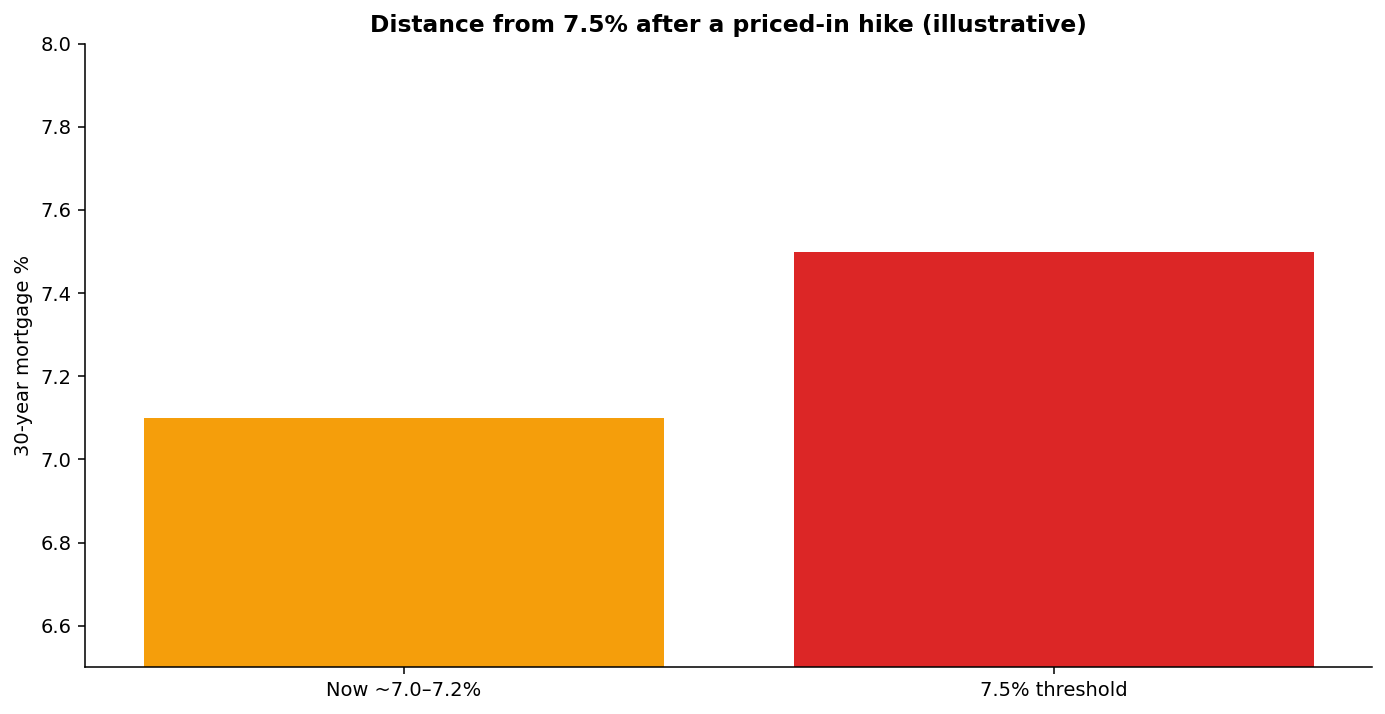
The mechanics: Fed hike ≠ mortgage hike of the same size
| Channel | What happens on hike day | Enough alone to clear 7.5%? |
|---|---|---|
| Funds rate +25 bp | Overnight policy moves if delivered | No — not a direct 30-year reset |
| 10-year Treasury repricing | Moves on path/inflation guidance | Maybe — if yields jump hard |
| MBS spread widening | Volatility around FOMC can cheapen MBS | Often adds tenths even if Treasuries are calm |
| Lender margin / capacity | Desks widen cushions on chaotic days | Can add small bumps to retail quotes |
This is why mortgages can already be over 7% hours before the decision: markets prepaid the hike. The open risk for 7.5% is what traders learn about the next meetings.
Scenario analysis: paths to 7.5% (and paths that miss it)
| Afternoon / follow-through scenario | Likely mortgage direction | Odds of tagging 7.5% soon |
|---|---|---|
| As-expected +25 bp, calm “data-dependent” tone | Chop around 7.0%–7.3% | Low same week unless 10y sells off anyway |
| Hawkish hike: consecutive increases telegraphed | Toward mid-7s | Meaningful within days–weeks |
| Dots / press conference price a higher terminal rate | 10y ↑, mortgages ↑ | Elevated if +30–50 bp in primary rates accumulates |
| Surprise hold | Quotes can ease | Very low near-term (hold is low probability) |
| Hike + risk-off flight into Treasuries | Mixed: policy up, long yields down | Could delay or prevent 7.5% |
Notice the pattern: 7.5% is a guidance story more than a +25 bp story. That links directly to whether September becomes meeting one of several—see consecutive-hike recession risk—and to the broader first-hike-in-three-years reversal narrative.
How much bond move does 7.5% need?
Rule-of-thumb arithmetic (illustrative, not a trading model):
- If the mortgage–Treasury spread stays constant, a ~40 bp rise in the relevant long rate package can lift a 7.1% mortgage toward 7.5%.
- If MBS spreads widen by 15–20 bp on volatility while the 10-year rises ~20–25 bp, retail quotes can cover similar ground.
- If the 10-year falls on a dovish interpretation, mortgages can drop even after a funds hike—leaving 7.5% off the table.
So the question “will today’s hike push mortgages past 7.5%?” should be rewritten as: will today’s reaction function reprice the 10-year and MBS enough to close a ~30–50 bp gap?
Payment impact if 7.5% prints
Illustrative principal-and-interest on a $400,000 30-year fixed loan:
| Rate | Approx. monthly P&I | Difference vs. 7.1% |
|---|---|---|
| 7.00% | ~$2,661 | −$27 vs. 7.1% |
| 7.10% | ~$2,688 | — |
| 7.25% | ~$2,729 | +$41 |
| 7.50% | ~$2,797 | +$109 |
| 7.75% | ~$2,865 | +$177 |
On a $600,000 loan, those deltas scale by about 1.5×. That is enough to break debt-to-income limits for borderline buyers and to change offer strength in competitive suburbs.
Intraday vs. multi-week: when 7.5% would show up
- Same afternoon: Possible only if markets read the package as aggressively hawkish and MBS cheapen hard. Not the default “as priced” outcome.
- This week: More plausible if the 10-year trends higher through the press conference and follow-through selling.
- Over the next 1–3 meetings: Highest odds if consecutive hikes become consensus and inflation data stay firm—consistent with elevated September probability setups extending into autumn.
Borrowers with hard closing dates should not gamble on “Fed day dips.” Borrowers with time can set alerts around 7.25%, 7.40%, and 7.50% and decide lock discipline in advance.
What to ask your lender before 2 p.m.
- Is my quote good through the press conference or only until the statement?
- Do you reprice from secondary markets intraday on FOMC?
- What rate would I need to float-down later if I lock now?
- How do your fees change if I extend a lock through a volatile week?
- For ARMs: which index and margin apply after a funds hike path?
Investor take: 7.5% as underwriting line, not a headline fetish
Whether the national average prints 7.49% or 7.51% is less important than whether your deal still clears hurdles at mid-7s:
- Stress-test acquisitions at 7.5%–8.0% debt service.
- Negotiate price or credits that offset a higher constant.
- Avoid short balloons that assume a quick refi if consecutive hikes arrive.
- In markets where owner-occupants hit payment walls first, cash and low-leverage buyers may gain leverage without needing a recession call.
Historical pattern: what usually happens to mortgages around hike days
Looking across prior Fed tightening episodes, same-day mortgage moves are often smaller than the multi-week path that follows. When a hike is 90%+ priced—as today’s ~93%–94.5% odds imply—the statement’s surprise content sits in the dots, the vote, and the Chair’s adjectives. Mortgage desks then translate that into MBS marks over subsequent sessions.
Patterns that matter for the 7.5% question:
- Fully priced hike + dovish presser: Primary rates can fall the next day even though the funds rate rose.
- Fully priced hike + hawkish path: Mortgages often grind higher over several sessions as the 10-year re-prices terminal rate expectations.
- Spread widening without a big Treasury move: Retail quotes can still deteriorate because hedging costs jump on FOMC afternoons.
That history argues against treating 2:05 p.m. as the final verdict on whether 7.5% “happened today.”
Buydowns, points, and the “effective rate” workaround
Some buyers facing a headline march toward 7.5% will ask about temporary buydowns (for example 2-1 structures) or permanent discount points. Those tools can lower the starting payment without changing the fact that market par rates are high. They are financing choices, not Fed forecasts.
| Tool | What it does | When it helps near 7.5% | Caveat |
|---|---|---|---|
| Temporary buydown | Subsidizes early-year payments | Payment qualifies now; income expected to rise | Rate still resets to note rate later |
| Permanent points | Buys a lower note rate | Long expected hold / break-even clear | Upfront cash; poor if you sell early |
| Seller credit | Funds points or closing costs | List price softens after rate spike | Appraisal and contract negotiation limits |
| ARM start rate | Lower initial rate vs. 30-year | Short hold, clear refinance/sale plan | Hike path raises reset risk |
None of these tools answers the macro question—but they determine whether a household can still close if national averages flirt with 7.5% while local sellers adjust slowly.
A simple decision tree for this afternoon
- If your payment already works at today’s lock and you close soon—strongly consider locking before press-conference volatility.
- If you are 50–75 bp away from qualifying—do not assume an as-expected hike produces relief; model failure at 7.5%.
- If guidance sounds one-and-done and the 10-year rallies—re-shop quotes the next morning before extending a panic lock.
- If consecutive hikes are openly on the table—treat mid-7s to 7.5%+ as a planning baseline for the next month, not a freak print.
Pair that tree with the live probability backdrop in our September rate predictions coverage so you are not reacting only to cable-news headlines.
Bottom line
Today’s expected Fed hike is unlikely, by itself, to shove the 30-year mortgage from the recent 7.0%–7.2% zone past 7.5% in a single mechanical step. Clearing that threshold takes a bond-market push—higher 10-year yields near or above the recent ~5% area, wider MBS spreads, and/or a hawkish signal that more hikes are coming. Watch the 2:00 p.m. ET statement and press conference for path language, lock with eyes open if your payment already works, and treat 7.5% as a live risk under a consecutive-hike regime rather than a guaranteed same-day destination.
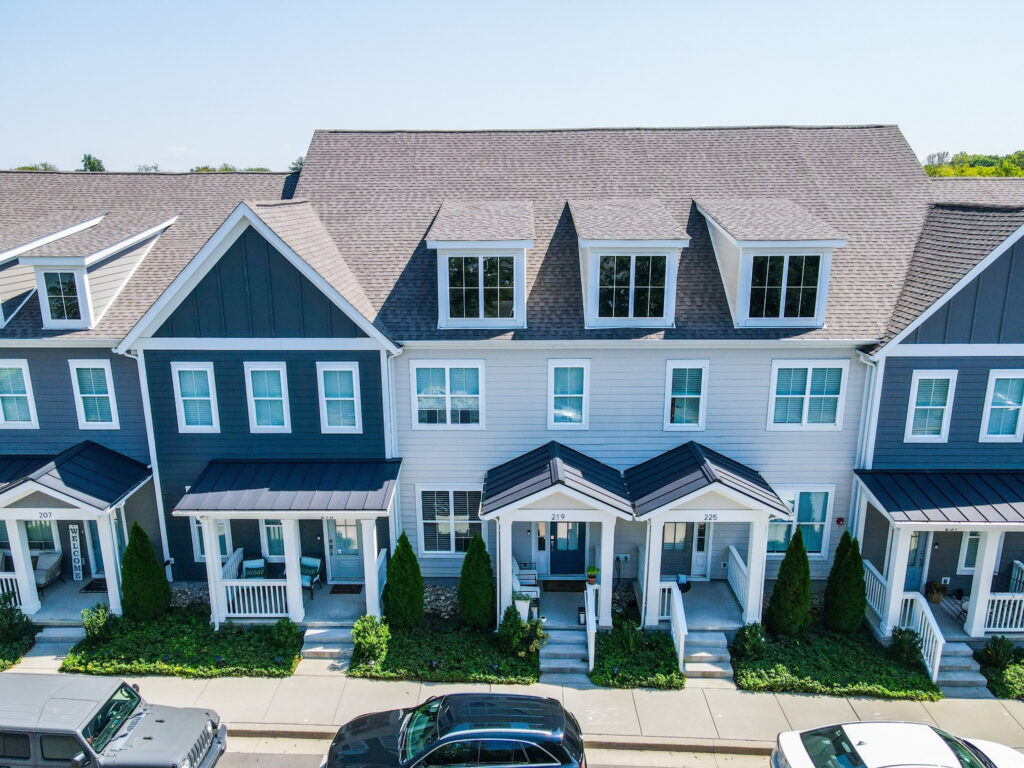
VS
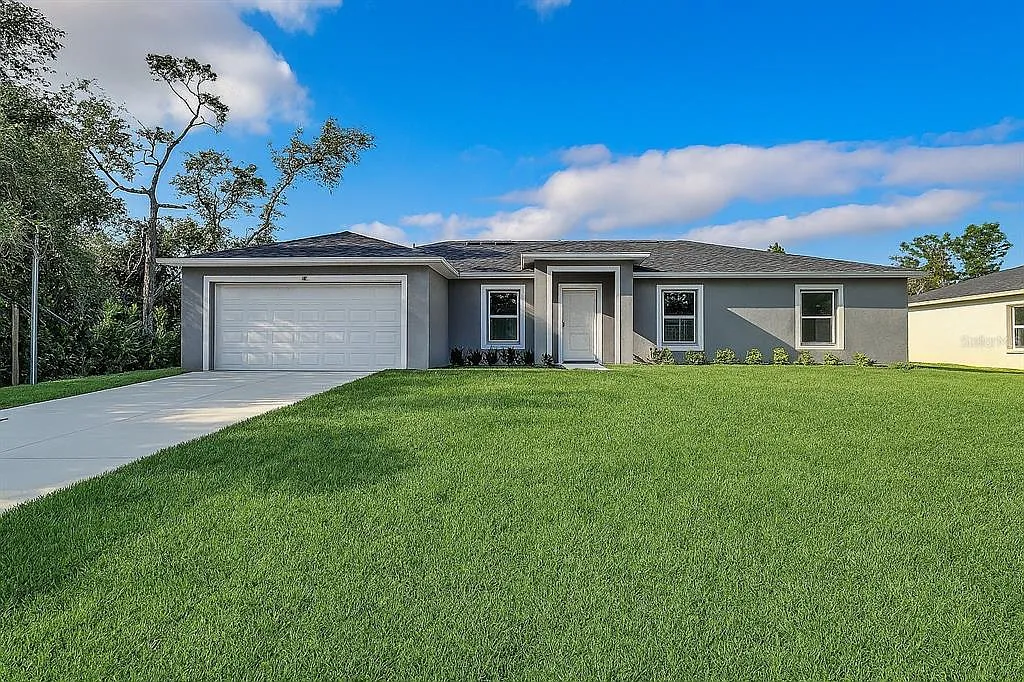
Out‑of‑State investors can compare Tennessee’s newer rental with higher NOI vs Florida’s A+ property with strong yield. Which fits YOUR investment strategy?
We have much more inventory available than what you see on our website – Let us know about your requirement.
📈 Choose Your Winner & Contact Us Today!
Speak to a Norada Investment Counselor (No Obligation):
(800) 611-3060
Mortgage rates remain high in 2026, but rental properties continue to deliver strong cash flow and appreciation. Savvy investors know that turnkey real estate is the path to passive income and long‑term wealth.
Norada Real Estate helps you secure turnkey rental properties designed for immediate cash flow and appreciation—so you can invest smartly regardless of interest rate trends.
Also Read:
- Mortgage Rates Predictions Backed by 7 Leading Experts: 2025–2026
- Mortgage Rate Predictions for the Next 3 Years: 2026, 2027, 2028
- 30-Year Fixed Mortgage Rate Forecast for the Next 5 Years
- 15-Year Fixed Mortgage Rate Predictions for Next 5 Years: 2025-2029
- Will Mortgage Rates Ever Be 3% Again in the Future?
- Mortgage Rates Predictions for Next 2 Years
- Mortgage Rate Predictions for Next 5 Years
- Mortgage Rate Predictions: Why 2% and 3% Rates are Out of Reach
- How Lower Mortgage Rates Can Save You Thousands?
- How to Get a Low Mortgage Interest Rate?
- Will Mortgage Rates Ever Be 4% Again?