
After the Federal Reserve’s widely anticipated 25-basis-point increase to a 3.75%–4.00% federal funds target range, the mortgage story is not a dramatic overnight spike — it is a stubborn level. Daily surveys on September 16 already had 30-year fixed rates above 7%, roughly in a 7.00%–7.08% band depending on the source. That is the post-decision picture: mortgage rates holding steady above seven percent because the hike was priced in, while the hawkish dot plot and Chair Kevin Warsh’s press conference keep the future path as the real risk for borrowers.
If you locked yesterday, nothing magical changed at 2:00 p.m. ET. If you are shopping today, the right question is not “did the Fed hike?” — markets already knew that answer — but whether longer yields and mortgage-backed securities (MBS) spreads stay tight enough to keep quotes stuck above 7% into the fall.
Mortgage Rates Hold Steady Above 7% After Widely Anticipated Federal Rate Increase
Priced-in hikes rarely reprice mortgages one-for-one
The federal funds rate is overnight money. The 30-year mortgage is a long-duration credit product priced off the Treasury curve (especially the 10-year), MBS yields, lender margins, and points. When futures markets assign ~90%+ odds to a 25 bp move for weeks, bond desks and originators embed most of that move before the statement drops.
So an “as expected” hike often produces:
- Little same-day jump in average mortgage surveys if the 10-year does not break higher
- More volatility around the press conference and dots than around the 25 bp itself
- A path-dependent skew: hawkish guidance can lift quotes later even if today’s print looks calm
That is exactly the template for this meeting. The funds range is now 3.75%–4.00%. Survey mortgage averages were already over 7%. “Hold steady above seven” is the accurate near-term description — not “mortgages suddenly discovered the Fed.” For the pre-meeting climb, see mortgage rates rising over 7% just hours before the decision.
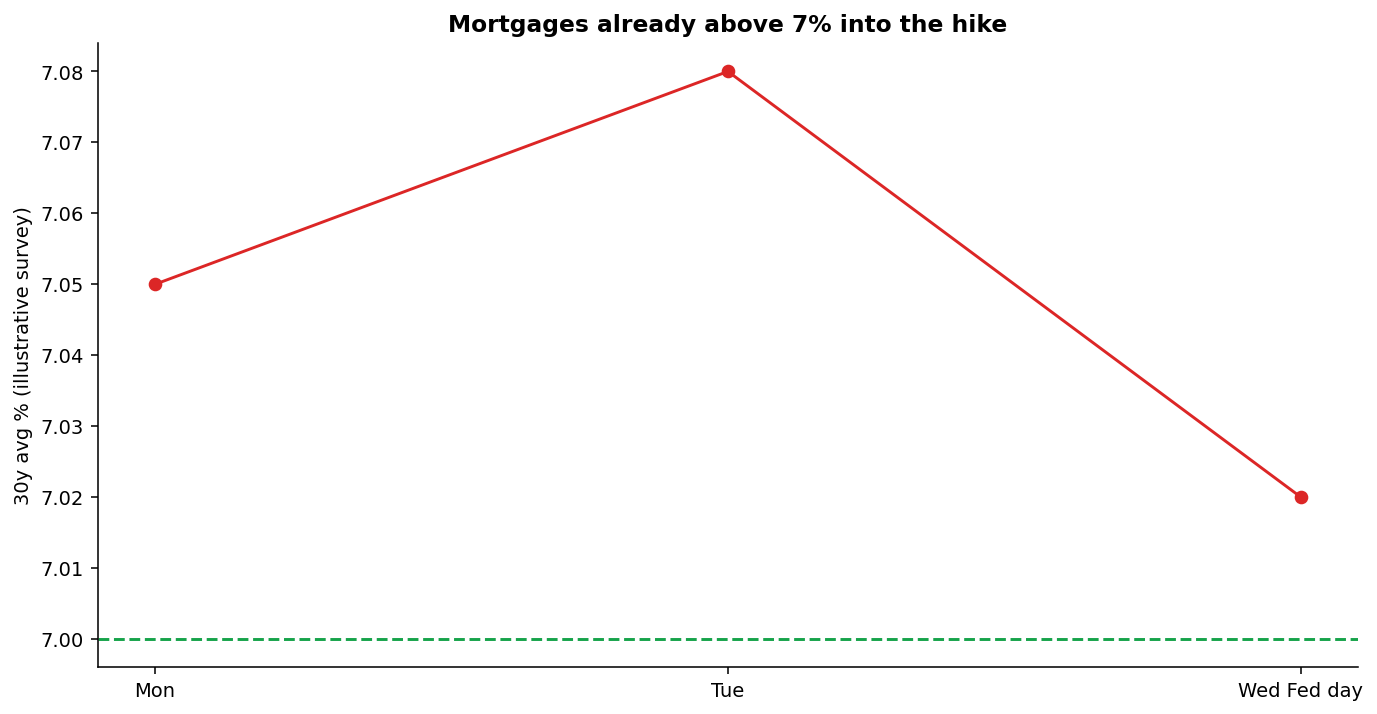
Where rates stood on decision day
Use these as planning anchors, not as a promise that your lender’s lock desk matches a national average to the basis point:
| Benchmark | Post-decision context (Sept. 16, 2026) | Why it matters for borrowers |
|---|---|---|
| Fed funds target | 3.75%–4.00% after +25 bp | Sets overnight funding tone; not your note rate |
| 30-year mortgage (survey range) | Roughly 7.00%–7.08%, still >7% | Payment math for purchase and refi demand |
| 10-year Treasury | Near the recent ~5% neighborhood; held relatively steady into the announcement after earlier week spikes | Primary mortgage benchmark channel |
| SEP / dot plot | Median path points toward about 4.00%–4.25% by end-2026 (~one more hike) | Keeps “higher for longer” in the tape |
Mortgage survey figures can lag same-day lender quotes; always compare multiple lock desks.
Near-term hold vs. path risk from hawkish dots
Two clocks are running at once:
- Near-term clock: Because the hike was widely anticipated, average 30-year quotes can chop sideways above 7% for days without a clean “Fed spike” headline.
- Path clock: With 16 of 18 officials seeing at least one more hike this year in projections widely reported after the meeting, markets have less reason to price a rapid easing cycle. That path risk is what can push mortgages toward the mid-7s over subsequent weeks if the 10-year and MBS cooperate.
That split is why borrowers should not celebrate an “as expected” hike as rate relief. The relief scenario required dovish guidance. The guidance delivered pointed the other way. Upside risk toward 7.5% remains a live debate, which we map in will this path push the 30-year past 7.5%?
Why mortgages were already above 7% before the vote
Three forces did the pre-work:
- Term yields: The 10-year spent the run-up near multi-year highs around the ~5% area, lifting the floor under MBS and mortgage quotes.
- Inflation stickiness: Energy and broader price pressures kept the Fed’s reaction function tilted toward firming — the same story behind the first hike since July 2023.
- Pre-positioning: When hike odds sit near 93%, originators do not wait for the press release to mark rates.
Warsh’s post-meeting message — that inflation remains elevated, that financial conditions did not look broadly restrictive going in, and that today’s action supports a “timelier” return to 2% — reinforces why the bond market does not need to gift borrowers a post-hike celebration. For the press-conference tone, see Warsh’s higher-for-longer press conference signals.
What “steady above seven” means week by week
A hold above 7% is not the same as a freeze in every local market. It is a financing regime:
- Purchase demand: Payment shock keeps marginal buyers on the sidelines or forces them into smaller homes, buydowns, or longer search times.
- Refinance: Cash-out and rate-term refi pipelines stay quiet while note rates sit far above the 2020–2021 cohort.
- New construction: Builders can still move product with rate buydowns; existing-home sellers without concessions feel more friction.
- Investors: Cap-rate and exit-rate assumptions stay disciplined; leverage is more expensive and underwriting tighter.
Affordability and turnover consequences of this tape show up in the homebuyer affordability squeeze and why housing stays “frozen” (low turnover) into late 2026.
The Fed’s rate and your rate: keep the plumbing straight
| Rate | What moves it most | Borrower takeaway |
|---|---|---|
| Fed funds | FOMC votes / overnight policy | Sets the short end; already hiked +25 bp |
| 2-year Treasury | Near-term Fed path expectations | Rises when traders price more firming |
| 10-year Treasury | Growth, inflation, term premium, supply | Key mortgage benchmark |
| 30-year mortgage | MBS yields + lender margins + points | What buyers actually pay |
Wednesday moved the first row. The fourth row was already above seven and can stay there if rows two and three keep pricing a restrictive path. For how front-end Treasuries reacted to hawkish forecasts, see how the 2-year adjusted to hawkish Fed forecasts.
Practical moves if quotes stay stuck above 7%
- Shop aggressively. Spreads between lenders often dwarf the day’s macro move.
- Model payment at 7.25% and 7.50%. If only the optimistic case works, you are negotiating with hope.
- Ask about temporary buydowns and seller credits before stretching DTI on a hope-for-cuts refinance.
- Lock when your payment already works — path risk from hawkish dots is not free optionality.
- Watch the 10-year and MBS, not just cable-news Fed graphics, for the next meaningful mortgage swing.
Scenario map for the next 30–60 days
Borrowers do not need a crystal ball. They need a short menu of outcomes that match how mortgages actually reprice after an expected Fed meeting:
| Scenario | What would drive it | Likely 30-year zone |
|---|---|---|
| Sideways above 7% | 10-year chops near recent highs; MBS spreads stable; no dovish surprise | Roughly 7.0%–7.2% |
| Grind higher | Another firming signal, hotter inflation, or wider MBS spreads | Mid-7s toward 7.5% risk |
| Relief dip | Soft data + clear pause language that pulls the 10-year down meaningfully | Could test high-6s — not the base case after Wednesday |
Wednesday’s package — hike confirmed, dots still open to more firming, Warsh focused on inflation — makes the first two rows more relevant than a sharp relief rally. That is the operational meaning of “hold steady above seven” after a widely anticipated increase.
Bottom line
Mortgage rates holding steady above seven percent after a widely anticipated Federal Reserve rate increase is not a puzzle. It is what priced-in policy usually looks like when longer yields were already tight. The hike to 3.75%–4.00% confirmed the overnight move; the dots and Warsh’s higher-for-longer message keep the burden on borrowers. Near term, expect choppy sideways quotes above 7% unless the long end rallies. Further out, the risk skew from hawkish forecasts still points up more easily than down.
VS
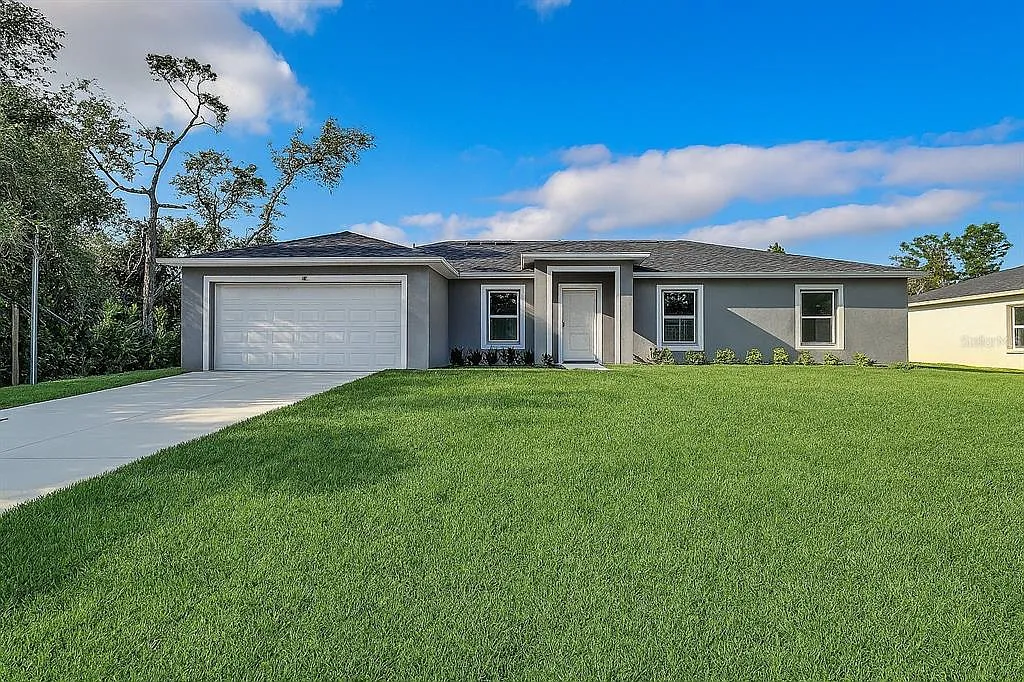
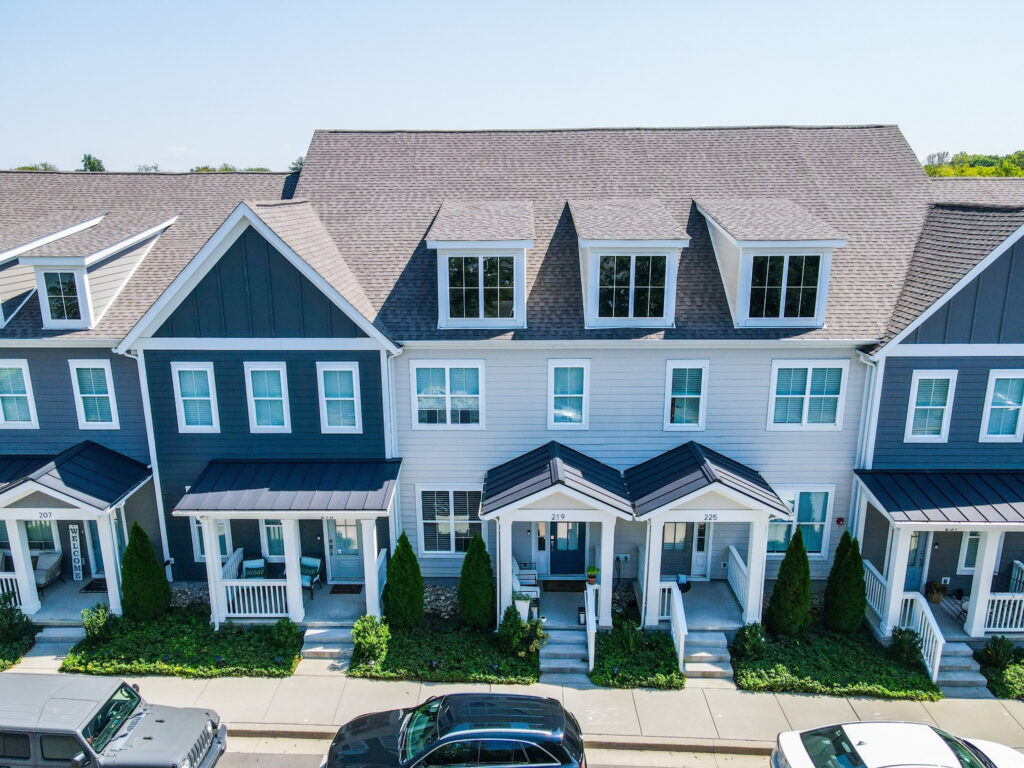
Out‑of‑State investors can compare Tennessee’s newer rental with higher NOI vs Florida’s A+ property with strong yield. Which fits YOUR investment strategy?
We have much more inventory available than what you see on our website – Let us know about your requirement.
📈 Choose Your Winner & Contact Us Today!
Speak to a Norada Investment Counselor (No Obligation):
(800) 611-3060
Mortgage rates remain high in 2026, but rental properties continue to deliver strong cash flow and appreciation. Savvy investors know that turnkey real estate is the path to passive income and long‑term wealth.
Norada Real Estate helps you secure turnkey rental properties designed for immediate cash flow and appreciation—so you can invest smartly regardless of interest rate trends.
Also Read:
- Mortgage Rates Predictions Backed by 7 Leading Experts: 2025–2026
- Mortgage Rate Predictions for the Next 3 Years: 2026, 2027, 2028
- 30-Year Fixed Mortgage Rate Forecast for the Next 5 Years
- 15-Year Fixed Mortgage Rate Predictions for Next 5 Years: 2025-2029
- Will Mortgage Rates Ever Be 3% Again in the Future?
- Mortgage Rates Predictions for Next 2 Years
- Mortgage Rate Predictions for Next 5 Years
- Mortgage Rate Predictions: Why 2% and 3% Rates are Out of Reach
- How Lower Mortgage Rates Can Save You Thousands?
- How to Get a Low Mortgage Interest Rate?
- Will Mortgage Rates Ever Be 4% Again?