Today's mortgage rates, September 2, 2026, jumped sharply as renewed fighting in the Middle East rattled financial markets. The 30-year fixed climbed to 6.74%, up 15 basis points from yesterday, while the 15-year fixed rose to 6.16% and the 5/1 ARM saw the biggest move of the day, up 24 basis points to 6.46%. Rising Treasury yields, persistent inflation, and a Fed unwilling to rule out further rate hikes are compounding the pressure. Here's the full rate breakdown and what it means if you're buying or refinancing.
Today's Mortgage Rates, September 2: 30-Year Jumps to 6.74% as Middle East Tensions Flare
What's Happening with Rates Today?
Let's break down what the numbers are telling us today, according to Zillow. These are the average rates you might be looking at if you're shopping for a home loan:
| Loan Type | Interest Rate |
|---|---|
| 30-year fixed | 6.74% |
| 20-year fixed | 6.68% |
| 15-year fixed | 6.16% |
| 5/1 ARM | 6.46% |
| 7/1 ARM | 6.36% |
| 30-year VA | 6.24% |
| 15-year VA | 5.91% |
| 5/1 VA | 6.06% |
You can see that most rates have gone up compared to yesterday. The 30-year fixed is up by 15 points, and the 15-year fixed by 16 points. The 5/1 ARM, which is a type of loan where the rate stays the same for the first five years and then can change, has seen an even bigger jump of 24 basis points. This tells me that lenders are getting a bit more cautious.
Why the Sudden Uphill Climb?
It's not just random; there are some big reasons behind this sudden surge in mortgage rates. Several factors are driving today's jump:
- Treasury Yields are Soaring: Mortgage rates usually follow what's happening with long-term government bonds, especially the 10-year Treasury note. Right now, those yields are going up fast, reaching levels we haven't seen in over a year. This means the cost for the government to borrow money is higher, and that cost gets passed on to us when we borrow for a house. The 30-year Treasury yield is also getting close to highs not seen in decades!
- Trouble in the Middle East: There's renewed fighting happening in the Middle East. When there's trouble there, oil prices often go up. This makes people worried that the cost of everyday things might rise even more, which is called inflation. Inflation erodes the value of the money lenders get back over time, so they price that risk into higher rates.
- Inflation Isn't Giving Up: Even though the Federal Reserve (that's the big bank for the U.S.) wants prices to stay steady, inflation is still higher than they'd like. When investors think prices will keep going up, they want to be paid more for lending their money. So, they ask for higher interest rates on everything, including mortgages.
- Our Huge National Debt: The U.S. government owes a lot of money – over $40 trillion! To pay for everything, they have to borrow more by selling more Treasury bonds. At the same time, big tech companies are borrowing a ton of money to build things for artificial intelligence. All this borrowing means there are more bonds out there than ever, which can push bond prices down and their yields (and mortgage rates) up.
- What the Fed Might Do: Even though the Federal Reserve lowered interest rates a bit last year, they've stopped doing that for now. The head of the Fed recently hinted that if prices keep going up, they might even raise interest rates again or at least keep them high for a while longer. This makes lenders think borrowing will stay expensive.
My Take on What This Means for You
As someone who's been watching the housing market and mortgage rates for a long time, this kind of jump is a signal to pay close attention. When rates go up by this much in one day, it usually means lenders are reacting to significant economic news.
For buyers, this means your monthly payments could be higher than you expected if you don't lock in a rate soon. It might be a good time to revisit your budget and see what you can comfortably afford. Sometimes, a small increase in the interest rate can mean a big difference in your monthly mortgage payment over 30 years. It also might mean that some homes that were just out of reach yesterday might be completely out of reach today.
For homeowners looking to refinance, this might not be the best time to get a better deal on your current mortgage. Refinancing is usually best when rates are lower than what you currently have.
It’s also worth remembering that these are average rates. Your actual rate will depend on many things, like your credit score, how much you put down as a down payment, and the type of loan you choose. A higher credit score and a larger down payment can often help you get a lower interest rate.
Different Types of Loans Explained Simply
Let's quickly touch on some of the loan types you see in the table:
- Fixed-Rate Mortgages: The interest rate stays the same for the entire life of the loan (like 15 or 30 years). This gives you predictable monthly payments, which is great for budgeting.
- Adjustable-Rate Mortgages (ARMs): The interest rate is fixed for a few years (like 5 or 7), and then it can change based on market conditions. These often start with a lower rate than fixed loans, but they come with the risk that your payments could go up later.
- VA Loans: These are special loans for veterans and active-duty military members. They often have lower interest rates and no down payment required.
Looking Ahead
Today's jump was driven by a clear set of forces — rising Treasury yields, renewed conflict in the Middle East, and a Fed unwilling to rule out another hike. If you're actively house hunting, locking in a rate sooner rather than later is worth considering, since a move like today's can meaningfully shift what you can afford. Refinancers, on the other hand, likely have little reason to act until rates head back down.
VS
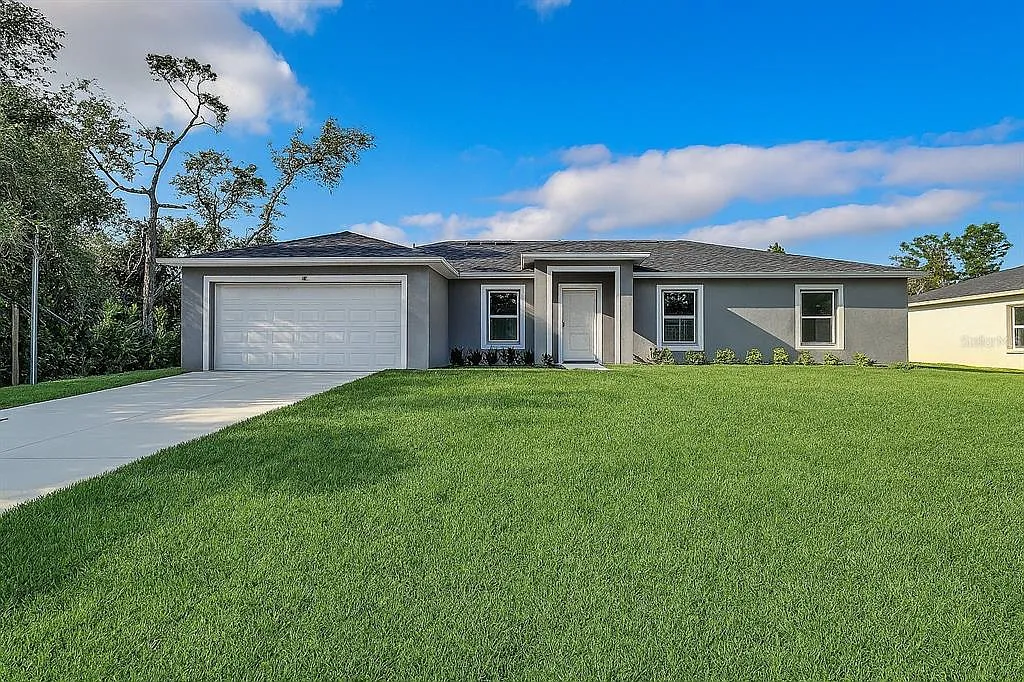
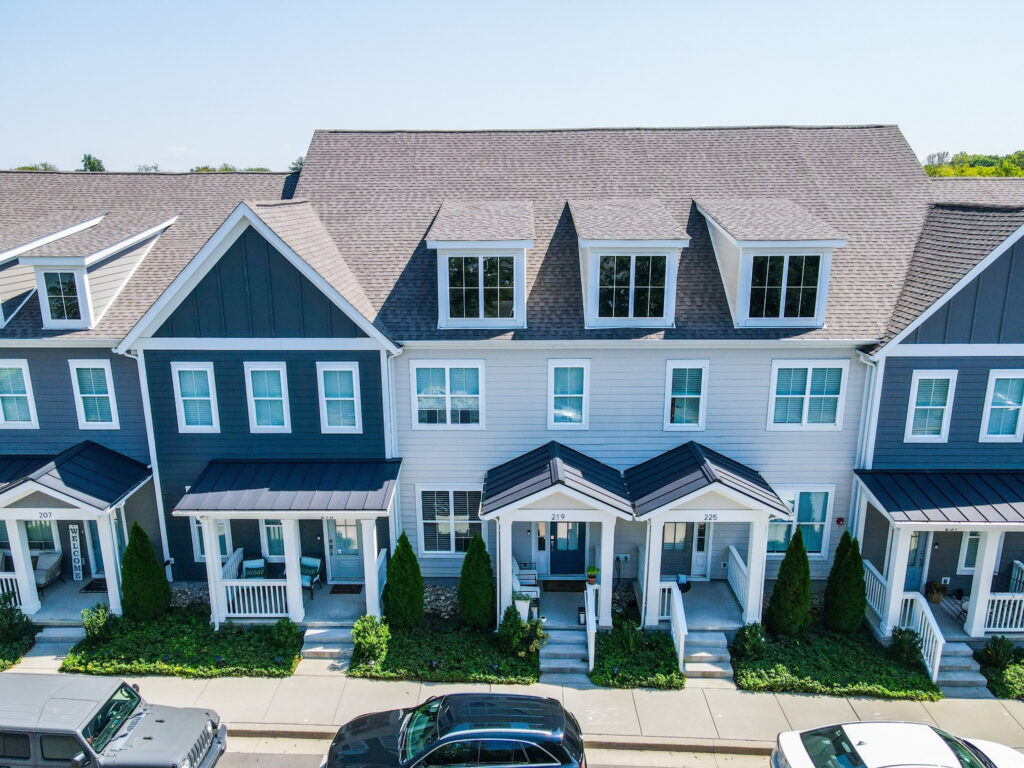
Out‑of‑State investors can compare Tennessee’s newer rental with higher NOI vs Florida’s A+ property with strong yield. Which fits YOUR investment strategy?
We have much more inventory available than what you see on our website – Let us know about your requirement.
📈 Choose Your Winner & Contact Us Today!
Speak to a Norada Investment Counselor (No Obligation):
(800) 611-3060
Mortgage rates remain high in 2026, but rental properties continue to deliver strong cash flow and appreciation. Savvy investors know that turnkey real estate is the path to passive income and long‑term wealth.
Norada Real Estate helps you secure turnkey rental properties designed for immediate cash flow and appreciation—so you can invest smartly regardless of interest rate trends.
Also Read:
- Mortgage Rates Predictions Backed by 7 Leading Experts: 2025–2026
- Mortgage Rate Predictions for the Next 3 Years: 2026, 2027, 2028
- 30-Year Fixed Mortgage Rate Forecast for the Next 5 Years
- 15-Year Fixed Mortgage Rate Predictions for Next 5 Years: 2025-2029
- Will Mortgage Rates Ever Be 3% Again in the Future?
- Mortgage Rates Predictions for Next 2 Years
- Mortgage Rate Predictions for Next 5 Years
- Mortgage Rate Predictions: Why 2% and 3% Rates are Out of Reach
- How Lower Mortgage Rates Can Save You Thousands?
- How to Get a Low Mortgage Interest Rate?
- Will Mortgage Rates Ever Be 4% Again?